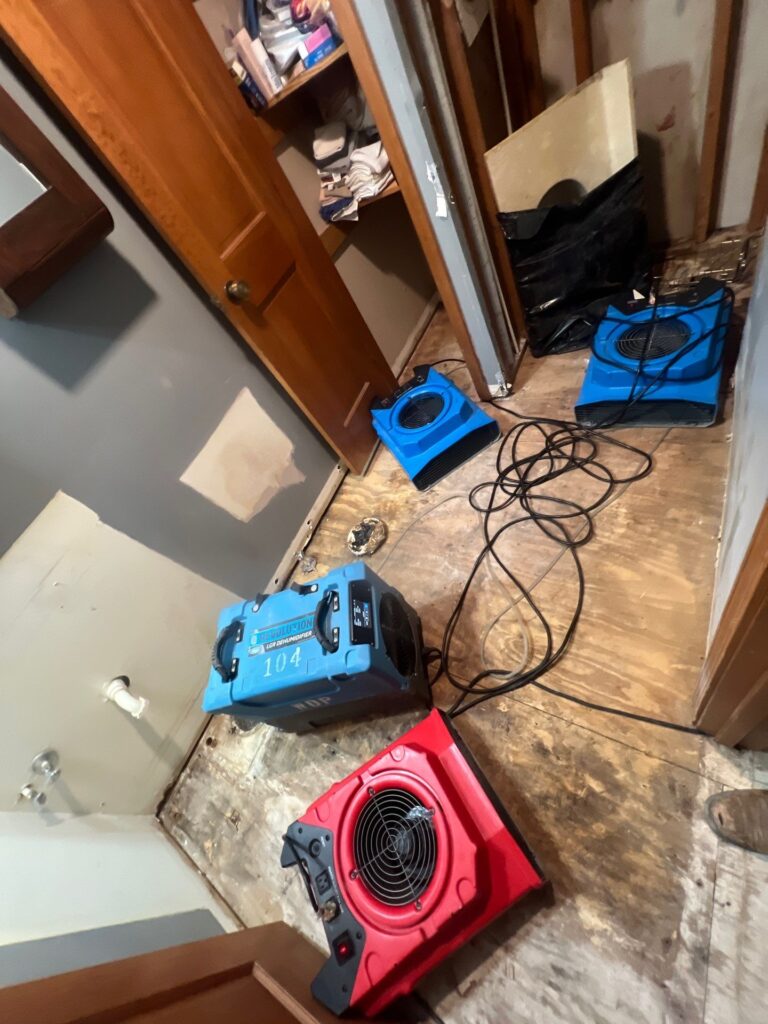
You had a small leak under the kitchen sink last week. You wiped it up, tightened the connection, and moved on with your life. Now, seven days later, you notice a musty smell and the cabinet floor feels soft. What happened?
Water damage often shows up days or even weeks after the initial event because moisture travels through hidden pathways and takes time to cause visible changes in building materials. Drywall, wood framing, insulation, and subflooring can absorb significant water before any outward signs appear. By the time you see staining, warping, or smell something off, the damage has been spreading behind the scenes for a while.
Understanding why this delay occurs can help you catch problems earlier, protect your home, and make better decisions about when professional restoration is necessary.
How Water Travels Through Your Home Unseen
Water follows gravity and the path of least resistance. When a pipe leaks inside a wall or ceiling, the water rarely stays put. It moves downward, sideways through insulation, along electrical wires, and into areas you cannot see without opening up the structure.
Here is what typically happens:
- Water saturates insulation first, which holds moisture like a sponge
- Moisture wicks along wood studs and travels to adjacent wall cavities
- Gravity pulls water down through floor systems into lower levels
- Capillary action draws water upward into porous materials like drywall
A leak on the second floor of a Nashville home can eventually cause damage in a first-floor ceiling or even in the crawl space. The water may travel fifteen feet horizontally before it finds a place to pool or cause visible damage. This is why the wet spot on your ceiling might be several feet away from the actual source.
Why Building Materials Hide Moisture for Days
Modern homes contain layers of materials designed to look finished and uniform. Paint, primer, and drywall mud create a barrier that resists showing moisture until saturation reaches a certain point.
Drywall can absorb a surprising amount of water before it shows any discoloration. The paper facing resists moisture initially, and the gypsum core can hold water while appearing dry on the surface. Only when the material becomes thoroughly saturated does it start to bubble, sag, or show water stains.
Wood behaves similarly. Structural framing and subflooring can hold moisture for extended periods. The wood fibers absorb water gradually, and you will not notice warping or swelling until the moisture content rises significantly. Hardwood floors might take a week or more to show cupping or buckling after water exposure.
Homeowners in Clarksville and surrounding areas often discover water damage during unrelated projects. They pull up carpet for replacement and find the subfloor is soft. They remove a bathroom vanity and discover mold behind it. The damage was happening slowly, hidden from view.
Common Scenarios Where Delayed Damage Appears
Certain situations are more likely to produce delayed symptoms. Recognizing these scenarios helps you stay alert even when everything looks fine initially.
Slow Plumbing Leaks
A pinhole leak in a supply line might release only a few drops per hour. That small amount of water accumulates over days and weeks, saturating wall cavities and flooring. You might not notice anything until the cumulative damage becomes severe enough to show through the finished surface.
Roof and Flashing Failures
A damaged roof flashing can allow small amounts of rainwater into your attic or wall system during each storm. The water soaks into insulation and sheathing, causing damage that progresses with every rainfall. Homeowners often discover these leaks months after they started, usually when ceiling stains finally appear.
Appliance Failures
Washing machine hoses, refrigerator water lines, and dishwasher connections can fail slowly before they fail completely. A cracked hose might seep for weeks before it bursts. The area behind the appliance accumulates moisture while the rest of the room looks normal.
Storm and Flood Events
After a storm or minor flooding, people often clean up the visible water and assume the problem is solved. But water that entered wall cavities, soaked into subfloors, or saturated insulation continues to cause damage. Within a few days to a couple of weeks, the secondary effects become apparent.
What Delayed Water Damage Actually Looks Like
Knowing the signs of delayed damage helps you catch problems before they become disasters. Here is what to watch for in the days and weeks following any water event:
- Musty or earthy odors that were not present before
- Paint bubbling, peeling, or flaking in isolated areas
- Soft spots in flooring or walls when you press on them
- Baseboards pulling away from walls or showing warping
- Doors or windows that suddenly stick or do not close properly
- Discoloration on ceilings or walls, even faint yellowing
- Visible mold growth in corners or behind furniture
- Increased humidity in certain rooms
These signs often appear gradually. A slight odor becomes stronger over several days. A small soft spot expands. Paying attention to subtle changes can help you identify problems while they are still manageable.
The Mold Factor in Delayed Discovery
One of the most concerning aspects of delayed water damage is mold development. Mold can begin growing within 24 to 48 hours when conditions are right, but it often stays hidden inside wall cavities and under flooring where you cannot see it.
By the time you smell mold or see it on surfaces, the growth may have spread considerably. The musty odor that finally alerts you to a problem represents spores that have been multiplying for days or weeks in a damp environment.
This is why professional water damage assessment matters even when a leak seems minor. Moisture meters and thermal imaging can identify wet areas that look completely normal to the eye. Finding and drying these areas promptly prevents mold from establishing itself.
Why You Cannot Always Trust Your Eyes
Visual inspection has real limitations when it comes to water damage. You might see water on the floor, mop it up, and assume you solved the problem. But here is what you cannot see:
- Water that soaked into the subfloor beneath the visible surface
- Moisture that wicked up into wall cavities from the floor
- Insulation in adjacent areas that absorbed water through shared framing
- Trapped moisture in laminate or engineered flooring systems
Professional restoration technicians use moisture meters that measure the water content of building materials. They also use infrared cameras that detect temperature differences caused by evaporation from wet surfaces. These tools reveal damage that remains invisible for days or weeks.
If you experienced any significant water event, even if everything looks dry, having a professional assessment can prevent the unpleasant surprise of discovering hidden damage later.
Steps to Take When You Suspect Delayed Damage
If you notice any signs that suggest water damage might be developing, acting quickly limits the extent of the problem. Here is a practical approach:
Do Not Ignore Small Signs
A faint odor or a small soft spot deserves investigation. These symptoms do not improve on their own. Check the area thoroughly and look for any visible moisture or discoloration.
Check Adjacent Spaces
If you find damage in one area, inspect nearby rooms, closets, and the spaces above and below. Water rarely affects only one location.
Document What You Find
Take photos and notes. If you need to file an insurance claim or hire restoration services, documentation of when you discovered the damage and how it progressed helps the process.
Improve Ventilation
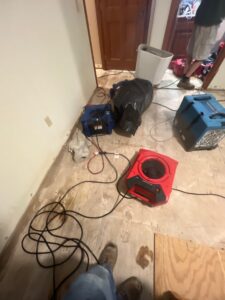
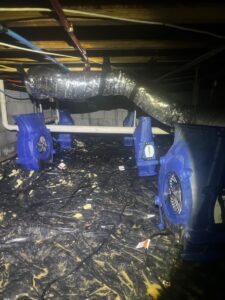
Open windows, run fans, and use dehumidifiers in affected areas. Reducing humidity slows damage progression while you arrange for professional assessment.
Know When to Call for Help
If the affected area is larger than a few square feet, if you smell mold, or if you cannot identify the water source, professional evaluation makes sense. Restoration companies have equipment to assess the full extent of damage and dry materials properly.
Preventing Delayed Damage Discovery
The best way to avoid surprises is to respond thoroughly to any water event, no matter how minor it seems. Here are practical prevention steps:
- After any leak, check surrounding areas for several days
- Use a fan or dehumidifier in the affected area even if it seems dry
- Inspect areas behind appliances regularly
- Check under sinks monthly for any signs of moisture
- Address roof leaks immediately, even small ones
- Inspect your basement or crawl space after heavy rains
Routine inspections catch problems early. Many homeowners discover small leaks during regular maintenance before any significant damage occurs.
Frequently Asked Questions
How long does it take for water damage to show?
Visible signs typically appear within one to three weeks, depending on the amount of water and the materials involved. Some signs like odors may develop within a few days, while structural changes like warping can take longer.
Can water damage go away on its own?
No. While surfaces may dry eventually, materials that absorbed water can retain moisture for extended periods. Without proper drying, damage continues to develop and mold can grow.
Should I be concerned about a small leak that I cleaned up?
Possibly. If water sat for more than an hour or reached porous materials like drywall or carpet, moisture may have spread beyond what you could see. Monitor the area for signs of damage over the following weeks.
What does hidden water damage smell like?
Hidden water damage often produces a musty, earthy, or stale odor. Some people describe it as smelling like wet cardboard or dirty socks. The smell comes from mold and bacteria growing in damp materials.
Can insurance cover damage discovered days or weeks later?
This depends on your specific policy and the circumstances. Many policies cover sudden and accidental damage but may limit coverage if damage resulted from neglected maintenance or gradual deterioration. Document your discovery and contact your insurer promptly.
How do professionals find hidden water damage?
Restoration technicians use moisture meters that measure water content in materials, infrared cameras that detect temperature variations from evaporation, and visual inspection of accessible areas like crawl spaces and attics.
Taking Action Before Damage Spreads
Water damage that shows up days later has been developing the entire time, hidden from view. The delay between the water event and visible symptoms represents ongoing deterioration of your home’s structure and air quality.
Whether you are dealing with a recent leak or you have noticed signs that suggest older hidden damage, prompt professional assessment prevents problems from growing worse. The longer moisture remains in building materials, the more extensive the restoration work becomes.
If you have noticed musty odors, soft spots, staining, or any other signs of potential water damage in your home, contact a restoration professional for a thorough evaluation. Identifying the full extent of the problem now saves significant time, money, and stress compared to discovering more severe damage later.