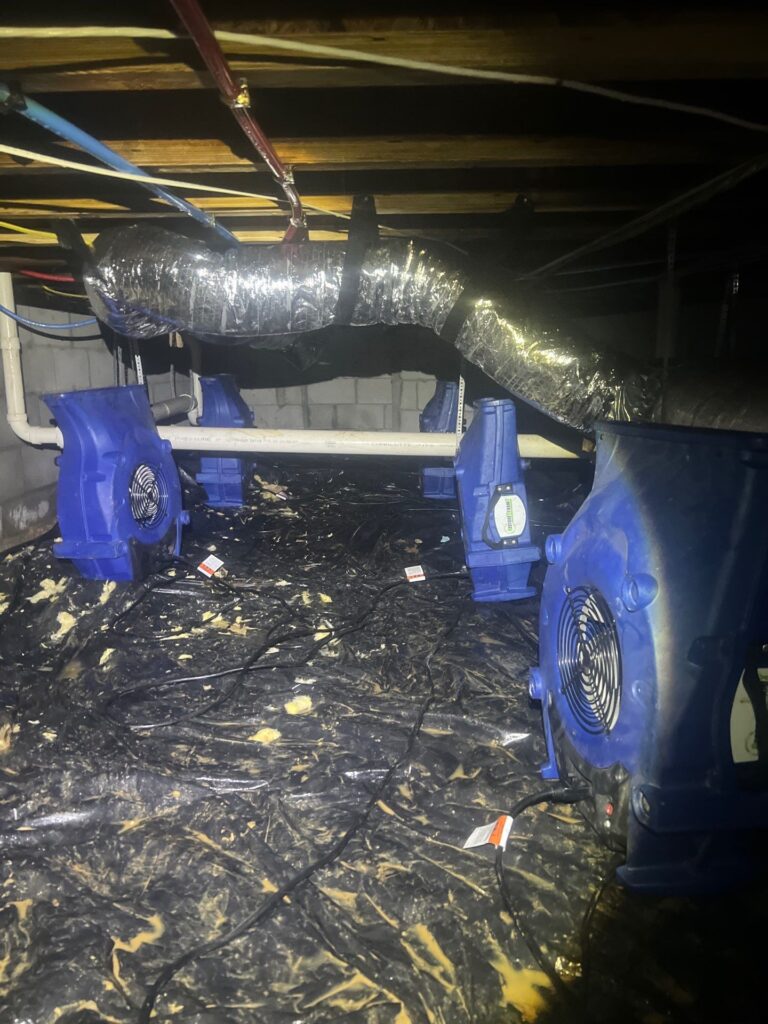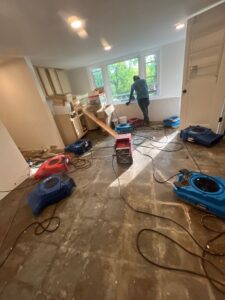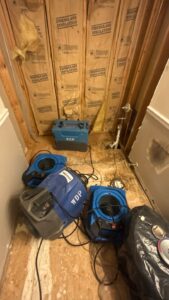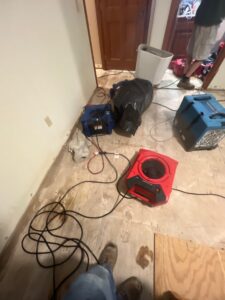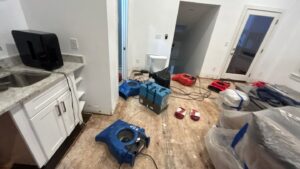
Water damage at night puts you in a tough spot. You are tired, it is dark, and panic can cloud your judgment. The safest cleanup plan for water damage at night starts with protecting yourself first, then stopping the water source if possible, and finally minimizing damage without putting yourself at risk. Do not attempt major cleanup in the dark. Focus on immediate safety steps, document what you can, and wait for proper lighting or professional help before tackling the full restoration.
Nighttime water emergencies happen more often than people realize. A pipe bursts at 2 AM, a storm sends water through your roof during a midnight downpour, or you wake up to a flooded basement. The urge to fix everything immediately is strong, but rushing through cleanup in poor visibility creates real dangers. Here is how to handle it safely.
Why Nighttime Water Damage Requires a Different Approach
Daytime water damage is stressful enough. Nighttime emergencies add layers of risk that most homeowners do not consider until they are standing in ankle-deep water at 3 AM.
Poor visibility is the obvious problem. You cannot see where water has traveled, what has been damaged, or what hazards exist in your path. Electrical outlets hidden behind furniture, extension cords under rugs, and standing water near appliances all become invisible threats in low light.
Fatigue compounds every decision. Sleep deprivation affects judgment, coordination, and reaction time. Homeowners in Nashville and Clarksville deal with storms that hit late at night, and the combination of exhaustion and emergency creates conditions where accidents happen.
Your body is also more vulnerable at night. Core temperature drops during sleep hours, making prolonged exposure to cold water more dangerous. Hypothermia can develop faster than you might expect, especially in basements or crawl spaces.
Immediate Safety Steps Before You Touch Anything
Before you start moving furniture or grabbing towels, take sixty seconds to assess the situation properly. This pause could prevent serious injury.
Check for electrical hazards first. If water is anywhere near outlets, power strips, or appliances, do not enter the area. Go to your electrical panel and shut off power to affected rooms or the entire house if you are unsure which circuits are involved. Use a flashlight, not the light switches, until you confirm the area is safe.
Identify the water source. Is this clean water from a burst pipe, or contaminated from a sewage backup or flood? Gray and black water require protective equipment and professional handling. If you smell sewage or see debris in the water, stay out entirely.
Watch where you step. Wet floors are slippery. Debris hides under water. Wear shoes with good grip, not bare feet or socks. A flashlight or headlamp makes a huge difference.
Check for structural issues. Water-damaged ceilings can collapse. Floors can weaken. If you see sagging drywall overhead or feel soft spots under your feet, exit the area immediately.
What to Do If You Cannot Shut Off the Water
Sometimes the shutoff valve is inaccessible, stuck, or located in a flooded area. In these cases, your priority shifts to damage limitation and personal safety.
- Move to higher ground within your home
- Call your water utility’s emergency line if the issue is on their side
- Contact a 24-hour plumber or restoration company
- Start documenting the damage for insurance purposes
- Protect irreplaceable items only if you can do so safely
Safe Cleanup Actions You Can Take at Night
Once you have addressed immediate safety concerns, some cleanup tasks are reasonable to tackle in the dark. Others need to wait.
Remove standing water carefully. If you have a wet/dry vacuum and good lighting in the affected area, extracting water prevents further spread. A mop and bucket work for smaller amounts. The goal is not perfection, just reducing the water level enough to slow damage.
Move lightweight valuables. Photo albums, documents, electronics, and small sentimental items can be relocated to dry areas. Do not attempt to move heavy furniture in the dark. The risk of dropping something on your foot or slipping is not worth it.
Increase air circulation. Open interior doors and closets to improve airflow. If outdoor conditions allow, open windows. Turn on ceiling fans in unaffected areas. Do not use fans that are in or near the water-damaged zone until an electrician confirms they are safe.
Place towels and barriers. Rolled-up towels at doorways can slow water spread to unaffected rooms. This is a temporary measure, not a solution, but it buys time.
What to Avoid During Nighttime Cleanup
Some actions seem logical but create bigger problems or safety risks when attempted at night.
- Do not use household vacuums, they are not designed for water and create electrocution hazards
- Do not pull up carpet or padding in the dark, you cannot see what is underneath
- Do not move heavy appliances without help and proper lighting
- Do not enter crawl spaces or attics at night under any circumstances
- Do not use any electrical equipment in standing water
- Do not ignore signs of sewage contamination hoping it is just dirty water
Documenting Damage for Insurance Claims
Insurance companies need documentation, and starting that process immediately strengthens your claim. Even at night, you can capture valuable evidence.
Use your phone’s flashlight and camera together. Take wide shots showing the extent of flooding and close-ups of specific damage. Video works even better for capturing the scope of the situation. Narrate what you are seeing as you record.
Write down the time you discovered the damage and what you believe caused it. Note every action you take. Insurance adjusters appreciate detailed timelines.
If you need to throw anything away before an adjuster arrives, photograph it first. Keep damaged items if storage space allows. Some policies require physical inspection of damaged property.
When Professional Help Cannot Wait Until Morning
Some situations require calling a restoration professional immediately, regardless of the hour. Reputable companies offer 24-hour emergency response for exactly these scenarios.
Sewage backups demand immediate attention. The contamination spreads rapidly and creates health hazards that worsen every hour. Professionals have protective equipment and sanitization capabilities that homeowners lack.
Large-scale flooding overwhelms DIY efforts. If water covers multiple rooms or your entire basement, you need commercial extraction equipment. Waiting until morning gives water hours to penetrate deeper into building materials.
Structural concerns require expertise. If walls are bulging, ceilings are sagging, or floors feel unstable, evacuate and call for help. Structural failure kills people.
You cannot stop the water source. Ongoing water intrusion means damage accelerates every minute. A professional can often locate and stop sources you cannot find yourself.
The First Things to Do When Morning Arrives
Daylight changes everything. Tasks that were dangerous at night become manageable, and you can finally see the full scope of what you are dealing with.
Walk through every affected area with fresh eyes. Check rooms adjacent to the obvious damage. Water travels through walls, under floors, and along unexpected paths. That damp spot in the next room is not a coincidence.
Call your insurance company as soon as their claims line opens. Early reporting typically helps your claim. Have your documentation ready.
Assess which materials can be saved and which need removal. Drywall that has absorbed water usually requires replacement. Hardwood floors may be salvageable with quick drying. Carpet depends on the water source and how long it sat wet.
This is also the right time to contact restoration professionals if you did not call during the night. Even if the emergency is past, proper drying equipment and moisture monitoring prevent long-term problems like mold growth that can develop within 24 to 48 hours after water exposure.
Preventing Mold After Nighttime Water Damage
Speed matters more than most homeowners realize. Mold spores exist everywhere, just waiting for moisture and organic material to colonize. Water-damaged drywall, carpet padding, and wood framing provide perfect growing conditions.
Professional-grade dehumidifiers and air movers can reduce moisture levels fast enough to prevent mold establishment. Household fans and dehumidifiers help but rarely match the capacity needed for significant water damage.
Do not assume that visible drying means the job is done. Moisture hides inside wall cavities, under flooring, and in insulation. Restoration professionals use moisture meters to verify that materials have dried completely, not just on the surface.
If mold does appear in the days following water damage, address it immediately. Small patches caught early are manageable. Established colonies spread quickly and become much more difficult and expensive to remediate.
Frequently Asked Questions
Can I sleep in my house after water damage at night?
It depends on the extent and source of the water. Clean water from a supply line in one room is different from widespread flooding or sewage backup. If you have any concerns about air quality, electrical safety, or structural stability, find somewhere else to stay until the situation is assessed properly.
Should I call a restoration company at 2 AM or wait until morning?
Call immediately for sewage backups, uncontrolled water sources, or flooding that covers large areas. For smaller incidents where you have stopped the water and contained the spread, waiting a few hours for business hours is reasonable. When in doubt, call. Most companies can advise over the phone whether immediate response is necessary.
Is it safe to use electricity after water damage?
Not until the affected circuits have been inspected and cleared. Water and electricity create lethal combinations. Shut off power to affected areas at the breaker panel and have an electrician evaluate before restoring power.
How long do I have before mold starts growing?
Mold can begin developing within 24 to 48 hours under ideal conditions. The clock starts when materials get wet, not when you discover the damage. This is why speed matters so much in water damage response.
Will my homeowner’s insurance cover nighttime water damage?
Most policies cover sudden and accidental water damage from sources like burst pipes or appliance failures. Flood damage typically requires separate flood insurance. Gradual leaks that you failed to address may not be covered. Read your policy carefully and contact your agent with specific questions about your coverage.
What if I made the damage worse by trying to clean up at night?
Insurance companies expect reasonable mitigation efforts. Honest mistakes made while trying to protect your property do not typically hurt claims. Document what happened and be transparent with your adjuster. Making the situation worse through recklessness or negligence is different from good-faith efforts that did not work out perfectly.
Protecting Your Home and Your Family
Nighttime water damage tests your judgment when you are least equipped to make good decisions. The safest approach prioritizes your well-being over your property. Shut off electrical hazards, identify the water source, document what you can, and wait for daylight or professional help before attempting major cleanup.
Water damage restoration is not a race you have to run alone. If you are dealing with flooding, sewage backup, or any water emergency that feels beyond your ability to handle safely, reach out to a professional restoration company. The difference between a stressful night and a disaster often comes down to knowing when to ask for help.