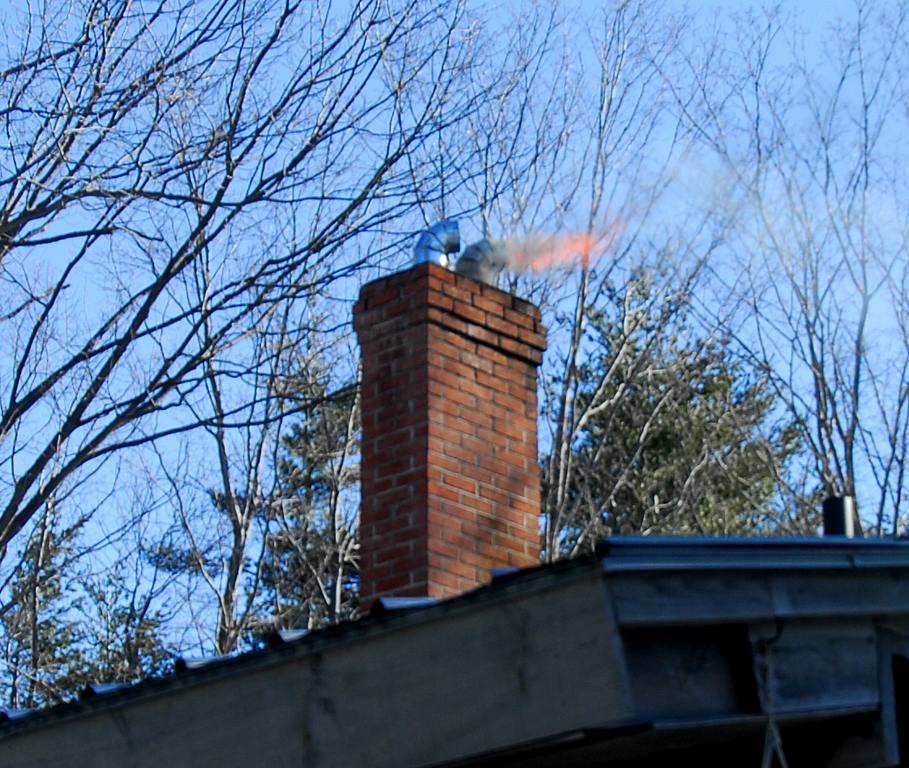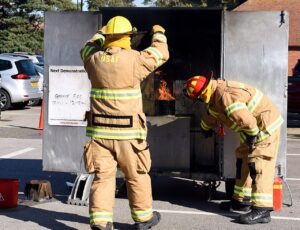
If a fireplace or space heater starts a fire, get everyone out of the house and call 911 unless the fire is very small, contained and you can put it out in a few seconds with a fire extinguisher. Never throw water on a space heater or electrical fire, and don’t try to fight a chimney fire yourself. Once the fire is out, don’t use that fireplace or heater again until it’s been inspected, because heat damage, cracked flue liners and smoldering material can hide where you can’t see them.
Heating season is when these fires happen, usually on the first cold nights when a chimney that hasn’t been swept in a while gets its first big fire, or a space heater ends up too close to a blanket or curtain. Here’s what to do in the moment, and what to watch for after.
If it’s happening right now: what to do first
- Alert everyone and get out. Yell, wake people up and get kids and pets out. Smoke is the bigger danger in the first minutes.
- Call 911 from outside. Don’t go back in for belongings, phones or pets once you’re out.
- Only fight a fire that’s small and contained. If the fire is no bigger than a small trash can, you have a working extinguisher rated for it (an ABC multipurpose extinguisher), and you have a clear exit behind you, you can try. Pull the pin, aim at the base, squeeze, sweep.
- If it doesn’t go out in seconds, leave. Close the door to the room behind you to slow the spread, and get out.
- Let firefighters check it. Even if you put it out, ask the fire department to check walls, ceilings and the chimney for hidden heat.
How to tell you have a chimney fire
Chimney fires happen when creosote, the tar-like residue from burning wood, catches fire inside the flue. Some are dramatic, and some burn slowly and quietly. Signs include:
- A loud roaring or rumbling sound, sometimes compared to a freight train or a low-flying plane
- Dense smoke pouring from the fireplace or out of the top of the chimney
- Flames or sparks shooting out of the chimney top
- A strong, hot smell and popping or cracking noises
- The chimney exterior or nearby walls feeling very hot
If you notice these, get out and call 911. If you can do it without any risk, close the fireplace glass doors or the air intake on a wood stove on your way out to reduce the air feeding the fire. Don’t throw water into the firebox, since a sudden temperature change can crack a hot flue or firebox and the steam can burn you.
Slow-burning chimney fires might not be noticed at all while they happen. Later signs are puffy, honeycomb-looking creosote, cracked flue tiles, warped damper parts or discolored metal on the chimney cap.
When a space heater catches fire
Space heater fires usually start in one of two ways: something flammable gets too close (bedding, a curtain, clothes, a stack of mail), or the heater, cord or outlet overheats electrically.
- Don’t use water. It can carry electrical current and spread certain fires.
- Cut power only if it’s safe. If the plug or breaker is well away from the flames, switching off power can help. Never reach over or through fire to get to it.
- Use an ABC extinguisher if the fire is small and you have a clear way out.
- Get out if the fire has spread to furniture, curtains or bedding. Those can grow fast.
A heater that has burned, melted or scorched should be thrown away, even if it still turns on. So should any extension cord or power strip it was plugged into.
Gas fireplaces and gas heaters
Gas logs and vent-free gas heaters don’t build up creosote the way wood fires do, but they bring their own risks. If a gas fireplace or heater is involved in a fire, or you smell gas (that rotten-egg odor), leave the house right away. Don’t flip light switches, unplug anything or use your phone until you’re outside, since a spark can ignite gas. Call 911 or your gas utility from a safe distance.
Don’t relight a gas appliance that was involved in a fire until a qualified technician has checked the gas line, valve and venting. Melted components or a damaged vent can lead to a gas leak or carbon monoxide building up inside. Make sure you have working carbon monoxide alarms on every level of the house, especially near bedrooms, if you use any fuel-burning heat.
Once the fire is out
A small heating fire can leave more behind than it looks like. The heat source was in the middle of a lived-in room, often with the house closed up for the cold. Smoke and soot from that kind of fire travel through the HVAC system and settle on cooler surfaces throughout the house.
Things to watch for over the next few days:
- Hidden heat around the chimney. Framing in contact with or very close to the chimney can char or smolder. Any smell of burning wood, or warm spots on walls near the chimney, needs to be checked right away.
- Soot in other rooms. Look at ceilings, closets, around HVAC vents and on window sills. A fine black film or dark webs in corners are signs smoke traveled.
- Smoke odor in fabrics. Upholstery, carpet, curtains and clothes absorb smoke quickly.
- Water damage from firefighting. If the fire department used water, it can soak into walls, ceilings, insulation and floors. That moisture needs to be dried just like any other leak.
- Damage to the chimney itself. Cracked flue tiles, a damaged liner or a warped damper can make the next fire dangerous.
Don’t touch soot-covered surfaces with bare hands or wipe them with a damp cloth. Soot smears easily and can set into paint and fabrics. The U.S. Fire Administration’s heating fire safety page has more on safe heating and what to do after an incident.
If the fire department used water, start documenting and drying quickly. Our guide on documenting damage for insurance applies here too: photograph every affected room before anything is cleaned or moved.
Before you light another fire
Don’t use the fireplace or wood stove again until a qualified chimney professional has inspected it. After a chimney fire, an inspection with a camera inside the flue is often needed to see cracks and liner damage that aren’t visible from below. Fire damage to a flue can let heat and sparks reach the house framing next time.
For space heaters, replace the damaged unit and take a hard look at where and how you were using it. Was it on a power strip? Too close to the bed? Left on overnight? Fixing the cause matters more than the new heater.
Two examples of how these fires unfold
Say a family lights their first fire of the season on a cold November evening. The chimney hasn’t been swept in a couple of years. About twenty minutes in, they hear a deep roar and see sparks raining from the top of the chimney into the yard. They get out and call 911. Firefighters put it out from inside the flue. The living room has heavy soot around the fireplace and a smoke smell through the whole house, the attic space around the chimney needs to be checked for charring, and the chimney itself is unusable until it’s inspected and repaired.
Now picture a space heater left running in a home office while someone steps out to make dinner. A throw blanket slips off a chair and lands against the heater. By the time the smoke alarm sounds, the blanket and part of the desk chair are burning. The homeowner gets everyone out, closes the office door behind them, and calls 911. The fire stays mostly in that room, but smoke spreads down the hallway and into the bedrooms through the open return vent, and the firefighting water soaks the office carpet and the ceiling below.
Preventing the next one
Most heating fires come down to a few habits. The NFPA’s heating safety guidance covers these in detail, but here’s the short version:
- Have chimneys inspected every year and cleaned as needed
- Use a sturdy fireplace screen and keep the area in front clear
- Burn only dry, seasoned firewood, never trash or cardboard
- Put ashes in a metal container with a lid and keep it outside, away from the house
- Keep anything that can burn at least three feet from fireplaces, wood stoves and space heaters
- Plug space heaters directly into a wall outlet, not an extension cord or power strip
- Choose heaters with automatic tip-over and overheat shutoff
- Turn space heaters off when you leave the room or go to sleep
- Test smoke alarms monthly and keep an ABC extinguisher where you can reach it
Middle Tennessee winters bring plenty of mild days punctuated by sharp cold snaps, and those are the nights people crank up fireplaces and heaters they haven’t used in months. A quick check before that first cold night is worth it.
Areas we serve and getting help
Our fire damage repair team handles soot cleanup, smoke odor removal, drying out water from firefighting, and rebuilding. We offer 24/7 response in Spring Hill, Columbia and across Middle Tennessee, and we respond quickly across the area. For safety risks after any fire, see our post on hazards restoration crews are trained to handle.
Once the fire department has cleared your home, call us any time at (629) 250-3594 or request a free estimate. Our IICRC certified technicians will assess the soot, smoke and water damage and document it for your insurance claim.