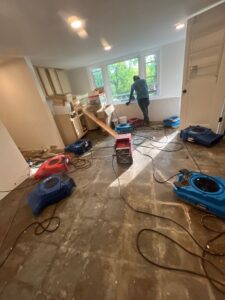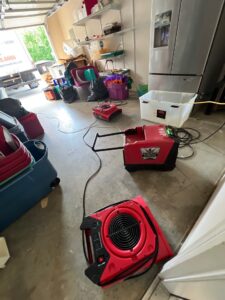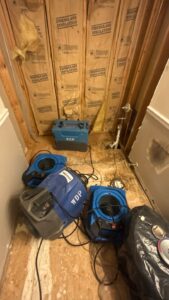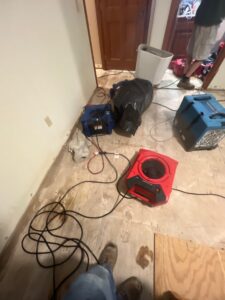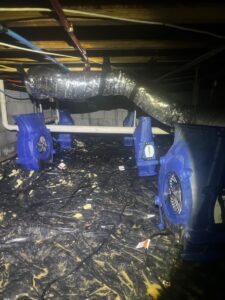
After water damage hits your Nashville home, the documents and photos you collect in the first few hours will directly affect your insurance claim outcome. You need to capture photos of standing water, damaged materials, the water source, timestamps of when you discovered the damage, and receipts for any emergency expenses. Your insurance adjuster will use this evidence to determine coverage, so thorough documentation protects your payout.
Most homeowners underestimate how much detail insurance companies want. I’ve seen claims delayed or reduced because people cleaned up too fast without taking pictures, or they assumed the adjuster would just believe their description. That’s not how it works. Your documentation builds the case for your claim, and gaps in that evidence give insurers reasons to question or deny coverage.
Photo and Video Evidence You Must Capture Immediately
Your camera phone becomes your most important tool the moment you discover water damage. Insurance adjusters weren’t there when water was flowing through your ceiling or pooling in your basement, so your photos and videos serve as their eyes on the initial scene.
Start with wide shots of each affected room before you touch anything. These establish the scope of damage. Then move closer and capture:
- The source of water is visible, such as a burst pipe, failed appliance, or roof leak entry point
- Water lines on the walls show how high the water reached
- Damaged flooring, including buckling hardwood, saturated carpet, and warped laminate
- Affected furniture, electronics, and personal belongings
- Any visible mold growth that develops, which sometimes appears within 24 to 48 hours
- Ceiling stains, sagging drywall, or dripping areas
Video walkthroughs work well because they show the relationship between damaged areas and give context that photos sometimes miss. Narrate as you film, stating the date, time, and what you’re seeing. Something like “This is Tuesday, March 12th at 3 PM. Water is coming through the ceiling in the master bedroom, and you can see it’s pooling near the closet.”
Make sure your phone’s timestamp feature is enabled. Adjusters pay attention to when damage was discovered versus when it was reported. Large gaps between discovery and reporting can raise red flags.
Written Records That Support Your Claim
Photos tell part of the story, but written documentation fills in critical details. Keep a timeline of events starting from the moment you noticed the problem. Include:
- Date and time you discovered the water damage
- What were you doing when you found it
- Weather conditions, if relevant, such as heavy rain or freezing temperatures
- Immediate actions you took to stop the water or prevent further damage
- Names and contact information of anyone you called for help
This timeline matters more than people realize. Insurance policies typically require you to take reasonable steps to mitigate damage. Your written record proves you acted responsibly. Homeowners in Franklin and Brentwood have told me their claims went more smoothly because they could show exactly what happened and when.
If you called a plumber, restoration company, or emergency service, document those conversations. Write down who you spoke with, what they said, and any recommendations they made. These notes can support your claim if questions arise later.
Receipts and Expense Tracking From Day One
Your policy likely covers reasonable emergency expenses, but only if you can prove them. Save every receipt related to the water damage, no matter how small. This includes:
- Emergency plumber visits to stop active leaks
- Equipment rentals like fans, dehumidifiers, or wet vacuums
- Temporary repairs such as tarps, plastic sheeting, or pipe clamps
- Hotel stays if your home becomes uninhabitable
- Meals if you couldn’t use your kitchen
- Storage fees for undamaged belongings you need to move out
- Cleaning supplies and protective equipment
Organize these receipts by date and category. A simple folder on your phone or a physical envelope works fine. The key is having everything accessible when the adjuster asks for documentation of your out-of-pocket costs.
Some homeowners in the Nashville area don’t realize that professional water extraction and drying services often fall under emergency mitigation, which most policies cover. But you need invoices and receipts to prove what was done and why it was necessary.
Creating a Detailed Inventory of Damaged Property
Beyond structural damage, you need to document every item affected by the water. Insurance companies want specifics, not vague descriptions. For each damaged item, record:
- Description of the item and its brand or model, if applicable
- Approximate age and condition before the damage
- Original purchase price if you remember it
- Current replacement cost
- Location in the home where the item was damaged
Photograph each item individually. If you have original receipts or credit card statements showing the purchase, include those. For expensive items like electronics or furniture, check if you still have warranty cards or manuals that show the model number.
This inventory process takes time, but it directly affects your payout. Adjusters working claims across Middle Tennessee, from Mount Juliet to Clarksville, see incomplete inventories every week. Those claims often settle for less than they should.
What Your Insurance Company Will Want to See
Understanding what adjusters look for helps you document more effectively. They’re trained to verify three main things: that the damage actually occurred, that it’s covered under your policy, and that the claimed losses are accurate.
They’ll want evidence showing:
- The cause of the water damage – different causes have different coverage
- Proof that you maintained your property reasonably before the incident
- Evidence that damage wasn’t pre-existing or caused by long-term neglect
- Documentation showing you took steps to prevent additional damage
A sudden pipe burst from freezing temperatures is typically covered. Gradual leaks that went unaddressed for months might not be. Your documentation should clearly show this was an acute event, not an ongoing deterioration you ignored.
If you’ve had previous maintenance done, such as plumbing inspections or roof repairs, having those records available shows you took care of your property. This strengthens your position if the insurer questions whether damage resulted from neglect.
Mistakes That Can Hurt Your Insurance Claim
Certain documentation errors give insurance companies reasons to reduce or deny claims. Avoid these common problems:
Cleaning up too quickly without photos. The urge to start drying things out is understandable, but document everything first. Even a few minutes of photos before you start the cleanup makes a difference.
Throwing away damaged items before the adjuster visits. Keep damaged materials until the adjuster has seen them or told you it’s okay to dispose of them. If you must remove items for health or safety reasons, photograph them thoroughly first.
Making permanent repairs before approval. Emergency repairs to stop ongoing damage are fine and expected. But don’t replace flooring, drywall, or other materials until the adjuster has assessed the damage. Document any emergency repairs with before and after photos.
Exaggerating damage or losses. Be accurate in your documentation. Inflated claims can result in the denial of your entire claim and potential fraud investigations. Stick to what actually happened and what was actually damaged.
Waiting too long to file. Most policies require prompt reporting. Document everything immediately and file your claim within days, not weeks. Delays make insurers suspicious that damage might not be as severe as claimed.
Working With Restoration Professionals on Documentation
A professional water damage restoration company can provide documentation that carries weight with insurance adjusters. Restoration technicians use moisture meters, thermal imaging, and other tools to assess damage that isn’t visible to the naked eye.
Their reports typically include:
- Moisture readings from walls, floors, and subfloors
- Thermal images showing water intrusion behind surfaces
- Detailed scope of damage with affected square footage
- Recommended repairs and estimated costs
- Daily drying logs showing progress
This professional documentation supports your claim with objective data. When an adjuster sees moisture readings and thermal images, they’re looking at evidence rather than just a homeowner’s description.
Many Nashville homeowners contact a restoration company before filing their claim. The initial assessment report becomes part of their documentation package, and having a professional opinion from the start can prevent disputes about the extent of damage later.
Communicating With Your Insurance Company
Every interaction with your insurer should be documented. When you call to report the claim, write down the date, time, and name of the representative you spoke with. Note what they told you about next steps, deadlines, and coverage questions.
Follow up phone conversations with email summaries. Something like “Following up on our conversation today with claims representative John Smith. As discussed, I’m submitting photos of the damage and will have the restoration company’s assessment report to you by Thursday.” This creates a paper trail.
Keep copies of everything you send to the insurance company. If you submit physical documents, make copies first. If you email photos, save sent messages. If you use an online portal, take screenshots showing what you uploaded and when.
Respond promptly to any requests from your adjuster. Delays in providing requested information can slow your claim or give the insurer grounds to close it.
Frequently Asked Questions
How soon after water damage should I file an insurance claim?
File within 24 to 48 hours of discovering the damage. Most policies require prompt reporting, and delays can complicate your claim. Document everything first, then call your insurance company to start the claims process.
Should I start the cleanup before the insurance adjuster arrives?
You should take photos and videos first, then begin removing standing water to prevent further damage. Emergency mitigation is expected and covered by most policies. Just document the original condition thoroughly before you start, and keep damaged materials for the adjuster to inspect.
What if I don’t have receipts for damaged items?
Provide as much detail as possible, including brand, model, where you purchased it, and approximate age. Credit card or bank statements showing purchases can help. Photos of the items before damage, such as those from social media or family photos, also serve as evidence.
Does my insurance cover professional water damage restoration?
Most homeowner policies cover emergency mitigation and restoration services when damage results from a covered event. Review your policy language or ask your agent about specific coverage for water extraction, drying, and repairs.
What documentation do I need if mold develops after water damage?
Document when you first noticed mold growth, photograph all affected areas, and note any health symptoms family members experience. Mold coverage varies significantly between policies, so having a clear timeline showing mold resulted from the water event strengthens your coverage case.
Can the insurance company deny my claim if I made repairs before they inspected?
Emergency repairs to prevent further damage won’t hurt your claim as long as you documented the original damage first. However, completing permanent repairs before inspection can give insurers grounds to dispute the extent of damage. When possible, wait for adjuster approval before major repairs.
Protect Your Claim With Thorough Documentation
The documentation you gather in the first hours after water damage shapes your entire insurance experience. Photos, videos, written records, receipts, and professional assessments all work together to prove your claim and support fair compensation.
Take those pictures before you touch anything. Write down what happened while the details are fresh. Save every receipt. And consider having a restoration professional assess the damage early, their documentation adds credibility that adjusters respect.
If you’re dealing with water damage in your Nashville home right now, start documenting immediately. Then reach out to a professional restoration team who can assess the damage, provide detailed reports for your insurance claim, and begin the drying process before problems spread. Acting quickly protects both your property and your claim.