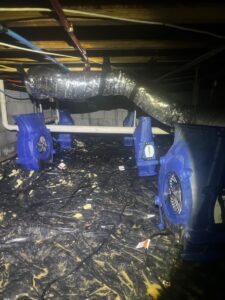
You should shut off electricity immediately after water damage whenever water has reached or could reach electrical outlets, panels, appliances, or wiring. If you can safely access your main breaker without standing in water or touching wet surfaces, turn it off before doing anything else. If reaching the panel puts you at risk, leave the house and call your utility company to disconnect power from outside.
This is not something to think about later. Water and electricity create a deadly combination, and the danger does not always announce itself with sparks or smoke. Electrical current can travel through standing water, damp floors, and wet walls. People have been seriously injured walking through flooded basements without realizing the water was energized.
Why Electrical Safety Matters After Water Intrusion
Water conducts electricity. That simple fact turns every flood, leak, or burst pipe into a potential hazard. The risk is not limited to obvious situations like a flooded basement with an exposed wire. Even minor water damage can create dangerous conditions if moisture reaches electrical components hidden inside walls, floors, or ceilings.
Here is what makes water damage electrically dangerous:
- Outlets and switches can short circuit when wet, creating a fire risk
- Standing water can become energized from a single submerged cord or appliance
- Moisture inside walls can corrode wiring and connections, sometimes causing problems weeks later
- Ground fault protection may not trip fast enough to prevent injury
- You cannot see whether water has reached the wiring behind the drywall
Homeowners throughout Nashville and Clarksville deal with water intrusion from storms, plumbing failures, and appliance malfunctions regularly. The first thing restoration professionals check before entering a water-damaged structure is whether the power is off. You should do the same.
How to Know If Water Has Affected Electrical Systems
Sometimes the answer is obvious. A flooded basement with outlets at floor level clearly needs the power shut off. But many situations are less clear, and that uncertainty should push you toward caution rather than waiting to see what happens.
Shut off power if any of these conditions exist:
- The water level has reached or risen above any electrical outlet
- Water is near your electrical panel or breaker box
- Appliances are sitting in water or have gotten wet
- You see water stains on walls or ceilings near light fixtures
- The source of the leak is unknown and could be anywhere in the structure
- Water is coming from above, which means it could have traveled through multiple floors and wall cavities
If you are not sure whether water has reached electrical components, treat the situation as if it has. The few hours without power cost nothing compared to the consequences of getting it wrong.
The Right Way to Shut Off Power Safely
Knowing you need to cut the power does not help if you cannot do it safely. The electrical panel is often in a basement, garage, or utility room, which are exactly the places most likely to flood. Reaching your breaker while standing in water or on a wet floor defeats the purpose entirely.
Follow this sequence:
- Do not enter any room with standing water until you have confirmed that power is off
- If the path to your panel is dry, wear rubber-soled shoes and do not touch anything wet
- Use one hand to flip the main breaker, keeping your other hand at your side or behind your back
- If the panel itself is wet, damaged, or submerged, do not touch it under any circumstances
- Call your electric utility and request an emergency disconnect from the meter
Many people do not realize their utility company can cut power remotely or send someone to disconnect at the meter. This service exists specifically for situations where accessing the panel is unsafe. Use it without hesitation.
What About Individual Breakers?
Turning off individual circuit breakers for affected areas can work for minor, contained leaks where you are certain the water has not spread beyond one room. A slow drip under a kitchen sink that you caught early probably does not require shutting down the whole house.
However, the main breaker shutdown is the safer choice whenever:
- Water has spread to multiple rooms
- The source is unknown or still active
- You cannot visually confirm where water has traveled inside walls or floors
- The damage occurred while you were away, and you do not know the full extent
Situations That Require Immediate Power Shutoff
Some water damage scenarios carry a higher electrical risk than others. These situations demand that you shut off power before doing anything else, even before trying to stop the water source.
Basement flooding from any cause. Basements typically contain the electrical panel, water heater, furnace, and other major electrical equipment. Even a few inches of water can submerge outlets and reach wiring. Treat any basement flood as an electrical emergency.
Sewage backup. Sewage contains salts and minerals that make it more conductive than clean water. The contamination also means you should not be walking through it regardless, but the electrical risk adds another urgent reason to stay out until power is confirmed off.
Roof leaks and ceiling water damage. Water entering from above travels unpredictably. It follows pipes, wiring channels, and framing members before appearing where you can see it. By the time you notice a ceiling stain, water may have contacted multiple light fixtures, junction boxes, and connections you cannot see.
Appliance failures. A washing machine overflow, water heater rupture, or dishwasher leak releases water directly next to electrical components. These appliances are plugged in and often still energized even after they malfunction.
Storm damage with structural intrusion. Storms that damage roofs, windows, or siding can allow water into wall cavities and ceiling spaces. Combined with the possibility of power surges or lightning damage, storm-related water intrusion requires a complete power shutoff and professional inspection before restoration.
What Happens If You Leave Power On
Some homeowners hesitate to shut off power because they need lights to assess the damage, want to run sump pumps, or simply do not want the inconvenience. This hesitation can have serious consequences.
With power still on during water damage:
- Electrocution risk remains active for anyone entering the affected area
- Wet electrical connections can arc, spark, or overheat, starting fires
- Appliances and electronics sitting in water can short circuit and become total losses
- Corrosion begins immediately in wet wiring, creating hidden hazards that may not appear for weeks
- Insurance claims can be complicated if the damage worsens due to leaving the power on
The sump pump question comes up frequently. Yes, you need the pump running to remove water. But you need the power off to safely enter the space. The solution is to have a professional assess the situation, or to have an electrician verify which circuits are safe to restore before running the pump. Battery backup sump pumps exist precisely for this reason.
After the Water Is Gone, An Electrical Inspection Is Still Necessary
Shutting off power during active water damage is only the first step. Before restoring electricity, the system needs inspection. This is not optional, and it is not something to skip just because everything looks dry.
Water damage affects electrical systems in ways that are not visible:
- Outlets and switches may have internal corrosion that creates resistance and heat buildup
- Wire insulation can degrade after prolonged moisture exposure
- Junction boxes inside walls may contain moisture that takes weeks to dry completely
- Panel components can be damaged even from minor moisture exposure
- Ground fault interrupters may have been compromised and will not protect you properly
A licensed electrician should inspect any electrical components that were exposed to water or high humidity before power is restored. This inspection often needs to happen after professional drying is complete, but before you move back into normal use of the space.
Working With Restoration and Electrical Professionals
Water damage restoration and electrical repair are separate specialties that need to be coordinated. The restoration team handles water extraction, drying, and structural repair. They can identify which areas were affected and how extensively. This information guides the electrician on where to focus their inspection.
Experienced restoration companies in the Middle Tennessee area work with electricians regularly and can help coordinate the sequence. Walls may need to be opened for drying anyway, which provides access for electrical inspection at the same time.
Special Considerations for Different Property Types
The basic principles apply everywhere, but some properties have additional factors to consider.
Older homes. Wiring in homes built before modern codes may not have ground fault protection, may use outdated materials, and may have been modified in ways that create additional risk. Water damage in older homes warrants extra caution and thorough inspection.
Multi-story buildings. Water traveling between floors can affect electrical systems on multiple levels simultaneously. Shutting off power to only the visibly affected floor may not be sufficient if water has traveled through wall cavities.
Commercial properties. Higher voltage systems, three-phase power, and specialized equipment create additional hazards. Commercial water damage should involve immediate utility disconnect and should not be approached without a professional assessment.
Properties with backup generators. Shutting off the main breaker does not disable a running generator. Transfer switches and generator connections need to be addressed separately.
Frequently Asked Questions
Can I just unplug things instead of shutting off the breaker?
Unplugging appliances reduces some risk but does not address outlets, switches, or wiring in walls. If water has reached any electrical component, the circuit needs to be off at the breaker, not just at the device level.
How long after water damage should power stay off?
Power should remain off until a licensed electrician inspects affected components and clears them for use. This typically happens after professional drying is complete, which can take several days depending on the extent of damage.
Is it safe to use a flashlight in a flooded area?
Battery-powered flashlights are safe. The concern is with anything plugged into household current or with your body completing a circuit between an energized source and ground.
What if only clean water were involved? Does that change the electrical risk?
Clean water conducts electricity less efficiently than contaminated water, but it still conducts. The electrical safety precautions are the same regardless of the water source. The difference matters more for contamination and health concerns than for immediate electrical hazards.
Should I call an electrician before or after the restoration company?
Contact the restoration company first. They will assess the damage, begin water removal, and help coordinate with an electrician at the appropriate point. Electrical inspection usually happens after initial water extraction but before power restoration.
Does homeowner’s insurance cover electrical repairs after water damage?
Coverage depends on your specific policy and the cause of the water damage. Most policies cover sudden and accidental water damage, including related electrical repairs. Review your policy language and document everything for your claim.
Taking the Right Steps Protects Everyone
Water damage is stressful enough without adding electrical hazards to the situation. The simple act of shutting off power before entering a water-damaged area eliminates the most immediate danger and gives you space to think through the next steps safely.
If you are dealing with water damage in your home or business, do not attempt to handle electrical concerns on your own or assume that because you do not see sparks, everything is fine. Get the power off, contact professionals who handle water damage restoration, and make sure an electrician clears your system before you flip that breaker back on.
Call a restoration professional today to assess your water damage and coordinate the safe restoration of your property.