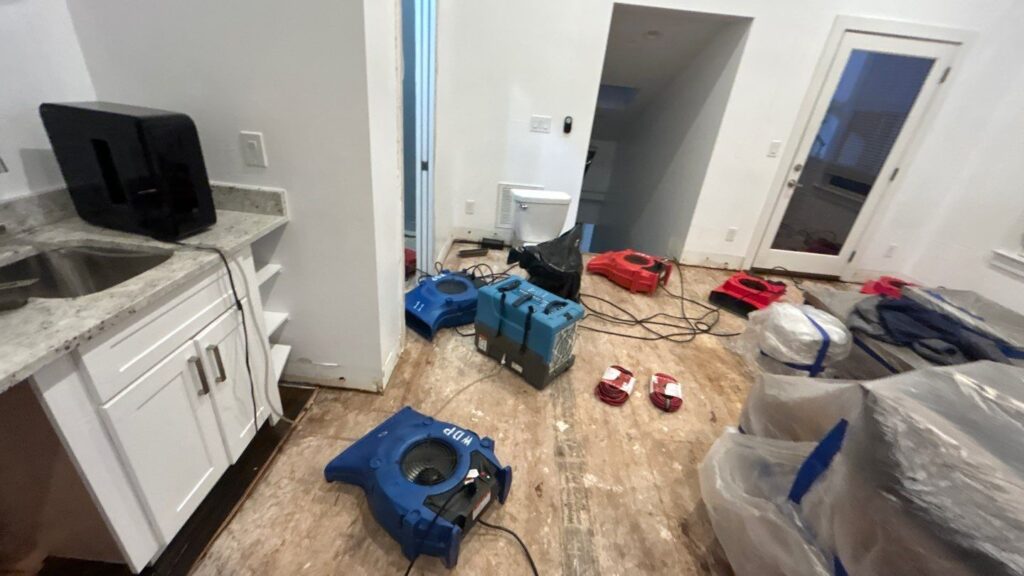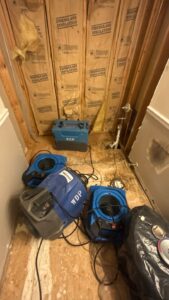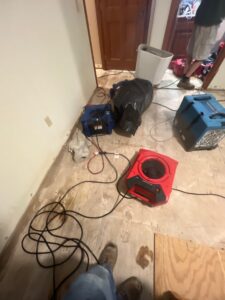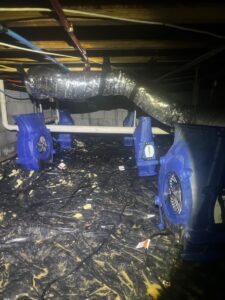
Yes, water damage can absolutely spread behind walls even when your floor appears completely dry. This is one of the most common and costly mistakes homeowners make after a water event. The visible surface might look fine, but moisture travels through wall cavities, insulation, and framing in ways you cannot see or feel. By the time obvious signs appear, significant structural damage or mold growth may already be underway.
I have walked into homes across Nashville and Clarksville where the homeowner swears the leak was minor because the carpet dried overnight. Then we open up a wall and find soaked insulation, warped studs, and the early stages of microbial growth. The floor dried because gravity pulled the water down, and it evaporated from the surface. But behind that drywall, moisture had nowhere to go.
Why Floors Dry Faster Than Walls
Understanding how water behaves after a leak helps explain this hidden risk of damage. When water hits your floor, several factors work in your favor for surface drying. Air circulation moves across the floor. You might run fans or open windows. The floor surface is exposed to ambient air from all sides.
Walls are a different situation entirely. Water that reaches a wall gets absorbed into drywall, which acts like a sponge. From there, moisture wicks upward through capillary action, sometimes rising two or three feet above the original water line. The water then saturates insulation, which holds moisture for extended periods. Wooden studs and the bottom plate absorb that moisture too.
None of this is visible from the room. The painted surface of drywall can look perfectly normal while the back side is soaked. This creates an ideal environment for problems to develop quietly.
How Water Travels Inside Wall Cavities
Wall cavities are essentially enclosed boxes. Once water enters, it has limited escape routes. Here is what typically happens:
- Drywall absorbs moisture from the floor up, wicking water higher than the source
- Insulation becomes saturated and compresses, losing its effectiveness and holding moisture against the framing
- Wooden studs and plates absorb water over time, which can lead to swelling, warping, and eventual rot
- Vapor barriers, when present, can trap moisture inside the wall cavity rather than allowing it to escape
- Electrical wiring and outlet boxes inside the wall can be affected, creating potential safety hazards
The physics here work against you. Warm air inside the wall cavity holds moisture. When temperatures drop at night, that moisture condenses on cooler surfaces inside the wall. This cycle of evaporation and condensation keeps materials damp far longer than you would expect.
Signs That Hidden Water Damage May Be Present
Even though the damage is behind the wall, your home usually sends warning signals. These signs may not appear immediately, sometimes taking days or weeks to become noticeable:
- A musty or earthy smell in the room, especially when the HVAC system runs
- Baseboards that feel soft, swollen, or pull away from the wall slightly
- Paint that bubbles, peels, or appears discolored near the floor line
- Drywall that feels soft or damp to the touch, even if it looks normal
- Warped or buckling flooring near walls, indicating moisture is still present underneath
- Increased humidity in the room compared to other areas of the house
- Staining or watermarks that appear on the wall days after the initial event
If you notice any of these after a water event, do not assume the problem resolved itself just because the visible water is gone. The floor drying quickly often means the water found another place to go.
Common Causes of Hidden Wall Moisture
Not every instance of hidden wall damage comes from obvious flooding. Several common scenarios lead to moisture problems behind walls that go undetected for extended periods:
Slow Plumbing Leaks
A pinhole leak in a supply line or a slow drip from a fitting can deposit small amounts of water into a wall cavity over weeks or months. The floor never gets wet because the volume is too small. But the cumulative effect saturates the wall materials thoroughly.
Appliance Failures
Washing machines, dishwashers, and water heaters can leak behind or beneath them. The water runs along the floor and into adjacent walls before pooling in visible areas. Homeowners often mop up what they can see without realizing the walls absorbed a significant amount.
Storm Water Intrusion
Heavy rains can force water through window frames, exterior wall penetrations, or foundation cracks. This water enters the wall cavity directly, bypassing the floor entirely. You might not see any evidence inside until damage is well underway.
Condensation Issues
In humid climates, warm, moist air meeting cooler wall surfaces can create condensation inside the wall. This is particularly common in poorly insulated exterior walls or walls adjacent to bathrooms and kitchens.
What Happens If Hidden Moisture Is Left Untreated
Ignoring the possibility of hidden moisture because the floor looks dry is a gamble that rarely pays off. Here is what you risk:
Structural damage develops gradually. Wood framing that stays wet begins to weaken. The bottom plate of a wall can rot without any visible indication. Over time, this compromises the structural integrity of the wall itself.
Mold growth becomes likely within 24 to 48 hours in damp conditions. Wall cavities provide the dark, still environment that mold needs to thrive. Once established, mold spreads through the wall and can eventually migrate to other areas of the house through the HVAC system or simply by spreading along materials.
Electrical hazards increase when wiring and outlet boxes are exposed to moisture. Corrosion, short circuits, and potential fire risks develop over time.
Repair costs multiply. What might have been addressed with targeted drying and minor repairs can become a major renovation project if left untreated. I have seen situations where waiting two weeks turned a manageable problem into a full wall replacement with mold remediation.
How Professionals Detect Hidden Moisture
The reason professional assessment matters is that we have tools that homeowners typically do not. A dry floor tells you nothing about what is happening inside the wall. Proper detection requires specific equipment:
- Moisture meters that can read below the surface of materials, not just the outer layer
- Infrared thermal cameras that show temperature differences, indicating moisture presence
- Hygrometers to measure humidity levels in specific areas
- Bore scopes or inspection cameras that can see inside wall cavities through small holes
These tools allow technicians to map exactly where moisture is present, how far it has spread, and what materials are affected. This information guides the drying strategy and helps determine whether materials can be saved or need removal.
Steps to Take After Water Exposure
If your home has experienced any water event, even a small one, taking these steps can help prevent hidden damage from developing into a major problem:
Do Not Rely on Visual Assessment Alone
The floor drying quickly is not proof that everything is fine. Water moves in directions you cannot see. Assume that if water reached a wall, that wall needs evaluation.
Move Furniture and Items Away from Walls
This allows air circulation and gives you a chance to inspect baseboards and lower wall sections. Look for any signs of discoloration, swelling, or softness.
Increase Air Circulation Carefully
Running fans can help surface drying, but may not address moisture inside walls. Avoid blowing air directly at walls, as this can push moisture deeper into materials rather than drawing it out.
Consider Professional Moisture Testing
If the water event involved more than a few cups of water, or if water sat for more than a few hours, professional moisture testing can give you accurate information about hidden damage. This is particularly important after supply line breaks, appliance failures, or storm intrusion.
Document Everything
Take photos of the affected area before, during, and after any cleanup. Note the date, time, and source of the water. This documentation is valuable if you later discover hidden damage and need to file an insurance claim.
When to Call a Professional
There are situations where professional help is the smart choice, not because you cannot handle it yourself, but because the risks of missing something are too high:
- Any water event involving more than a gallon of water that reached the walls
- Water that sat for more than a few hours before discovery
- Any musty smell developing after a water event
- Visible signs of damage appearing on walls or baseboards
- Water from unknown or potentially contaminated sources
- Situations where you cannot determine how far the water spread
Professional water damage restoration involves more than just drying. Proper assessment, appropriate equipment placement, and monitoring ensure that all affected materials reach safe moisture levels. Skipping this step to save money often results in paying more later when hidden damage finally becomes visible.
Frequently Asked Questions
How long does it take for mold to grow behind wet walls?
Mold can begin developing within 24 to 48 hours in damp conditions. Wall cavities provide ideal conditions because they are dark, still, and hold moisture well. By the time you see or smell mold, colonies are typically already established.
Can I use a regular moisture meter from the hardware store?
Basic pin-type moisture meters only read surface moisture. Professional meters can detect moisture below the surface and inside wall cavities. A surface reading of “dry” does not mean the wall is dry throughout.
Will running my HVAC system help dry out the walls?
Running the system in dehumidification mode can help reduce overall humidity, which supports drying. However, HVAC alone will not adequately dry saturated wall cavities. Proper drying usually requires specialized equipment and controlled airflow.
How do I know if my insulation needs replacement after water damage?
Fiberglass insulation that has been wet often compresses and loses effectiveness. It also holds moisture against framing, prolonging damage. In most cases, wet insulation needs removal and replacement rather than drying in place.
Does insurance cover hidden water damage behind walls?
Coverage depends on your specific policy and the cause of the water damage. Sudden events like pipe breaks are typically covered. Gradual leaks or maintenance issues may not be. Review your policy language and document the situation thoroughly before filing a claim.
Final Thoughts
A dry floor after water exposure does not mean your home escaped damage. Water travels through wall cavities, saturates materials you cannot see, and creates conditions for structural damage and mold growth. Taking hidden moisture seriously protects your home and your health.
If your home has experienced water intrusion, even if everything looks fine now, having a professional moisture assessment gives you real information instead of assumptions. Contact a qualified water damage restoration company to evaluate your situation and make sure nothing is quietly getting worse behind your walls.