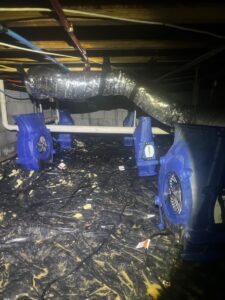
Drying drywall after a leak in Nashville homes typically takes between 3 to 5 days under ideal conditions, but the actual timeline depends on several factors, including how saturated the material became, the thickness of the drywall, humidity levels in your home, and what type of drying equipment is being used. In some cases, particularly when water has been sitting for a while or has soaked through to the insulation behind the wall, the process can stretch to a week or longer.
If you recently discovered a leak and are wondering whether your walls will ever feel normal again, the short answer is yes, they can recover. But getting there requires understanding what affects drying time and making the right decisions early on.
Why Drying Time Varies So Much From House to House
Two homes on the same street in Franklin or Brentwood can experience completely different drying timelines after similar leaks. This frustrates homeowners who expect a simple answer, but the reality is that multiple variables come into play.
The source of the leak matters significantly. A slow drip from a pipe fitting that went unnoticed for weeks creates a different situation than a sudden burst pipe that flooded the wall cavity quickly. Slow leaks allow moisture to penetrate deeper into the drywall and surrounding framing, making extraction more complicated.
Wall construction also plays a role. Standard half inch drywall dries faster than thicker variants. Walls with vapor barriers or multiple layers of paint can trap moisture inside, extending the process. Insulation type matters too. Fiberglass batting holds water differently than blown in cellulose, and both create challenges for thorough drying.
Then there is the Nashville climate factor. Our humid summers make evaporation harder. Running your air conditioning helps, but if outdoor humidity sits at 85 percent for days, your walls are fighting against the environment.
The First 24 Hours Are Critical
What you do immediately after discovering a leak determines how long the entire drying process will take. Fast action shortens timelines dramatically.
Start by stopping the water source. This sounds obvious, but many homeowners try to start the cleanup before shutting off the supply line or identifying the leak origin. Every additional minute of water intrusion adds hours to your drying time.
Remove standing water from floors and surfaces near the affected wall. Wet vacuums work well for this. The goal is to prevent additional moisture from wicking up into the drywall from below.
Increase air circulation immediately. Open windows if the humidity outside is lower than inside. Run ceiling fans and any floor fans you have available. Point airflow toward the wet wall, not just around the room.
If you have a dehumidifier, set it up in the affected area. Standard home units help, though they cannot match commercial equipment used by restoration professionals.
How to Tell If Your Drywall Is Actually Drying
Guessing whether your walls are drying properly leads to problems. Many homeowners assume that because the surface feels dry, the inside must be dry too. This assumption causes mold growth weeks later when trapped moisture creates the perfect environment for spores to thrive.
Moisture meters provide accurate readings. These tools measure moisture content within the drywall, not just on the surface. Professional restoration technicians use pin type and pinless meters to monitor progress throughout the drying process. Some homeowners purchase basic moisture meters from hardware stores, which can work for monitoring but may lack the precision of professional equipment.
Signs that drying is progressing well include:
- Decreasing moisture meter readings over consecutive days
- Gradual return of normal wall temperature
- Absence of musty odors developing
- No new discoloration appearing on the surface
Warning signs that something is wrong include persistent musty smells, paint that continues bubbling or peeling, soft spots that do not firm up, and moisture readings that plateau or increase.
Equipment That Speeds Up the Drying Process
Air movement alone rarely dries walls fast enough to prevent secondary damage. The combination of dehumidification and directed airflow produces the best results.
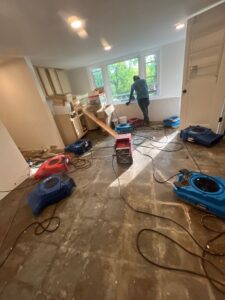
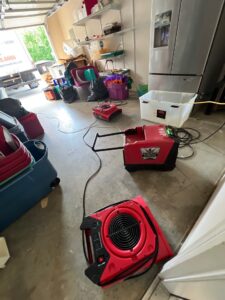
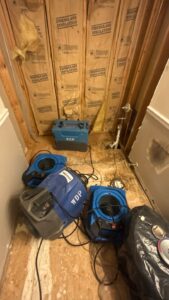
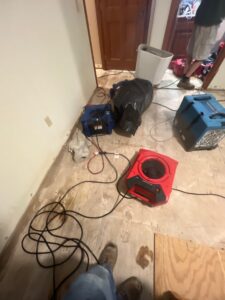
Industrial air movers, often called blowers or fans, push large volumes of air across wet surfaces. Unlike box fans, these units are designed to create velocity across materials rather than simply circulating room air. Positioning matters. Technicians angle these units to maximize airflow over the wet wall sections.
Commercial dehumidifiers pull moisture from the air far more efficiently than residential units. A single commercial desiccant or refrigerant dehumidifier can remove dozens of pints of water per day. This prevents the moisture escaping from your walls from simply reabsorbing into other materials or recondensing on cooler surfaces.
In some situations, professionals use injectidry systems or cavity drying equipment. These tools force dry air directly into wall cavities, reaching moisture trapped behind the drywall without requiring removal of the material. This approach saves the existing drywall when possible and speeds drying significantly.
When Drywall Cannot Be Saved
Not every wet wall can be dried in place. Understanding when replacement becomes necessary saves time and prevents future issues.
Drywall that has been saturated for extended periods, particularly more than 48 to 72 hours, often loses structural integrity. The paper facing may separate from the gypsum core. The material becomes soft, crumbly, or warped. In these cases, drying in place is not practical.
Contaminated water changes the equation entirely. If the leak involved sewage backup, flooding from outside sources, or water that contacted unsanitary materials, the drywall typically requires removal regardless of how quickly you respond. Drying contaminated materials does not eliminate health risks.
Visible mold growth on drywall surfaces generally means removal is needed. While surface mold can sometimes be addressed, extensive growth or mold on the back side of drywall indicates the material should come out. Homeowners in Mount Juliet, Murfreesboro, and throughout the Nashville metro area face this reality regularly, especially after storms that allow water intrusion to go undetected for days.
Signs that drywall replacement is necessary include:
- Sagging or bulging sections
- Crumbling texture when touched
- Paper facing that peels away easily
- Persistent odor even after drying attempts
- Visible mold colonies
How Nashville Weather Affects Your Drying Timeline
Living in Middle Tennessee means dealing with humidity levels that complicate water damage restoration. Summer months present the biggest challenge, with outdoor humidity often exceeding 80 percent and temperatures creating uncomfortable conditions indoors.
Running your HVAC system helps control indoor humidity, but a system already working hard to cool your home may struggle to handle the additional moisture load from wet walls. This is where supplemental dehumidification becomes essential.
Winter months actually offer better drying conditions in some respects. Lower outdoor humidity and running your heating system both contribute to drier indoor air. However, homeowners sometimes hesitate to increase ventilation in winter due to energy costs, which can slow the process.
Seasonal considerations for Nashville and surrounding areas like Clarksville include planning for higher humidity in spring and fall as well. Rapid temperature swings during transitional seasons can create condensation issues that complicate drying efforts.
Common Mistakes That Extend Drying Time
Some well intentioned actions actually make the situation worse. Avoiding these mistakes helps keep your timeline on track.
Painting or sealing the wall too early traps moisture inside. Many homeowners want to restore the appearance of their walls quickly, but covering damp drywall prevents remaining moisture from escaping. The wall may look fine for weeks before paint starts bubbling or mold develops behind the surface.
Turning off drying equipment too soon is another frequent error. Surface dryness does not indicate complete dryness throughout the wall assembly. Professionals monitor moisture levels at multiple depths before concluding the drying process.
Failing to address the wall cavity creates hidden problems. If water reached the space between the drywall and exterior sheathing, drying only the drywall surface leaves moisture trapped inside. This hidden moisture promotes mold growth on framing members and the back side of drywall.
Ignoring adjacent materials extends overall drying time. Baseboards, carpet, and flooring near the affected wall absorb water and can reintroduce moisture into walls you thought were dry. Complete drying addresses all affected materials, not just the obvious ones.
When to Call a Water Damage Professional
Some leaks can be managed with basic equipment and careful monitoring. Others require professional intervention from the start.
Consider calling a restoration company if the affected area covers more than a few square feet. Large areas require more drying capacity than most homeowners can provide with residential equipment.
Leaks that went undetected for more than a day or two benefit from professional assessment. Hidden damage in wall cavities and the potential for mold development make expert evaluation worthwhile.
If you notice musty odors developing or see any signs of mold, professional remediation becomes important. Disturbing mold during amateur cleanup attempts can spread spores throughout your home.
Water that came from contaminated sources requires professional handling. The health risks associated with sewage or floodwater are serious enough that DIY cleanup is not advisable.
Uncertainty about whether drying is progressing properly is itself a good reason to seek professional guidance. Restoration technicians have the tools and experience to assess conditions accurately and adjust the drying strategy as needed.
Frequently Asked Questions
Can I use a hair dryer to speed up drying my wall?
Hair dryers provide localized heat but cannot address moisture deep within the drywall or in the wall cavity behind it. They might help small damp spots dry faster on the surface, but they are not effective for actual water damage. Excessive heat can also damage drywall by causing cracking or separating the paper facing.
How do I know if mold has started growing behind my wall?
Musty odors that persist or worsen after initial cleanup suggest hidden mold growth. Increased allergy symptoms when you are home can also indicate mold presence. Professional moisture testing and, if necessary, small inspection openings in the drywall can confirm whether mold has developed in the wall cavity.
Will my homeowners insurance cover the drying equipment costs?
Most homeowners policies cover water damage restoration for sudden and accidental leaks, which typically includes drying equipment and labor. Coverage for gradual leaks or maintenance related issues varies by policy. Contact your insurance company promptly after discovering damage to understand your specific coverage.
Is it safe to sleep in a room with wet walls?
Freshly wet walls from clean water sources do not pose immediate health risks. However, as moisture sits, the risk of mold development increases. If you notice musty smells or if the water comes from an unsanitary source, avoiding the space until drying and cleaning are complete is prudent.
Can drywall dry out on its own without any equipment?
Lightly damp drywall in a dry environment with good air circulation may eventually dry without intervention. However, relying on natural drying significantly increases the risk of mold growth and structural damage. The extended timeline, often weeks instead of days, allows problems to develop that proper drying equipment would prevent.
How long should I run dehumidifiers after the wall feels dry?
Continue running dehumidifiers until moisture meter readings confirm the wall has returned to normal dry levels, typically 12 percent moisture content or less for drywall. This usually means running equipment for at least 24 to 48 hours after the surface feels dry to ensure the interior of the wall has dried completely.
Taking the Right Steps Forward
Drying drywall after a leak requires patience and attention to detail. Rushing the process or cutting corners leads to problems that are more expensive and disruptive to fix than doing it right the first time.
If you are dealing with water damaged walls in your Nashville area home and are unsure whether your drying efforts are working, getting a professional assessment can provide clarity and peace of mind. A restoration technician can measure moisture levels accurately, identify any hidden damage, and recommend the most effective path to restoring your home to normal condition.
Contact a local water damage restoration professional today to schedule an inspection and get a clear picture of what your walls need to dry properly and safely.