If water reaches electrical outlets in your Clarksville home, you need to act fast but carefully. Your first step is to shut off power at the main breaker if you can do so safely without stepping in standing water. Do not touch any outlets, switches, or appliances that may have been exposed to water. Once power is off, evacuate everyone from the affected area and call both an electrician and a water damage restoration professional. Water and electricity create a deadly combination, and the risks extend far beyond the immediate moment of contact.
Flooding events in Clarksville happen more often than most homeowners expect. Heavy rains, burst pipes, appliance failures, and storm damage can all send water rushing into areas where it reaches outlets and wiring. Understanding exactly what to do in this situation could save your life or prevent a house fire.
Why Water and Electrical Outlets Are So Dangerous Together
Water conducts electricity. When water reaches an outlet, it creates a path for electrical current to travel where it normally cannot go. This can happen even with small amounts of moisture. The dangers include:
- Electrocution if someone touches the water or outlet
- Electrical fires that can start inside walls without warning
- Damage to wiring that creates ongoing hazards
- Short circuits that can destroy appliances and electronics
- Arc faults that generate extreme heat
Many people underestimate how far electricity can travel through water. A single energized outlet can make an entire flooded floor dangerous to walk on. This is why evacuation matters so much. The risk does not disappear just because you cannot see sparks or feel anything unusual.
Immediate Steps to Take When Water Contacts Outlets
The first few minutes after discovering water near electrical outlets determine whether the situation stays manageable or becomes catastrophic. Here is what you need to do right away.
Shut Off the Power Safely
Your electrical panel controls all the power in your home. If you can reach it without walking through standing water or touching wet surfaces, turn off the main breaker. This cuts power to the entire house and eliminates the immediate electrocution risk. If your panel is in the basement and that area is flooded, do not attempt to reach it. Call your utility company and ask them to disconnect power from outside.
Get Everyone Out
Once water reaches outlets, treat the entire affected area as a hazard zone. Children and pets especially need to be moved to a completely dry part of the home or outside. Do not allow anyone back into the area until a professional confirms it is safe.
Do Not Touch Anything Electrical
This includes outlets, light switches, appliances, extension cords, and power strips. Even if they look dry, internal components may have moisture. Unplugging items while power is still on or while standing in water can cause electrocution.
Call for Professional Help
You need two types of professionals in this situation. An electrician must inspect all affected wiring and outlets before power is restored. A water damage restoration company should address the water itself, because leaving moisture in walls and floors leads to additional problems including mold growth and structural damage.
Common Causes of Water Reaching Outlets in Clarksville Homes
Understanding how water ends up near electrical outlets helps you recognize risks before they become emergencies. In the Clarksville area, certain situations cause this problem repeatedly.
Plumbing failures account for many cases. A burst pipe in the wall can send water streaming down where it pools behind outlets. Supply lines to washing machines and water heaters fail without warning. Even a slow leak that goes unnoticed for weeks eventually reaches electrical components.
Storm damage is another major factor. Heavy rainfall can overwhelm gutters and allow water intrusion through windows, foundations, and roof penetrations. Flash flooding pushes water into basements and first floors quickly. Properties in low-lying areas face this risk more frequently.
Appliance malfunctions catch homeowners off guard. Dishwashers, refrigerators with ice makers, and HVAC systems all use water and can leak or overflow. When these appliances sit against walls with outlets, the combination becomes hazardous fast.
Sewage backups present an especially serious version of this problem. The contaminated water creates health hazards on top of the electrical dangers. These situations require specialized cleanup beyond standard water removal.
What Happens to Electrical Systems After Water Exposure
Water damage to electrical components does not always show obvious signs. The real danger often hides inside walls and outlet boxes where you cannot see it. Here is what actually happens when water contacts your electrical system.
Corrosion Begins Immediately
Metal components in outlets, wires, and panels start corroding the moment they get wet. This corrosion continues even after things appear dry on the surface. Corroded connections create resistance, which generates heat. Over time, this heat can ignite surrounding materials.
Insulation Breaks Down
The protective coating on wiring prevents current from escaping. Water degrades this insulation, creating bare spots where electricity can arc to nearby surfaces. This happens inside walls where you cannot detect it until something fails or catches fire.
Ground Fault Protection May Fail
GFCI outlets are designed to cut power when they detect ground faults, which is exactly what water exposure creates. However, these protective devices can be damaged by water themselves. A GFCI that was submerged may no longer provide reliable protection.
Hidden Moisture Remains
Outlet boxes, junction boxes, and conduit can trap water inside even when surrounding areas seem dry. This hidden moisture continues causing damage and creates ongoing electrical hazards. Professional drying equipment and techniques are necessary to remove moisture from these confined spaces.
Why You Cannot Simply Dry Out and Resume Normal Use
Some homeowners assume that once the water is gone and things look dry, they can flip the breaker back on and continue as normal. This assumption has caused house fires and fatalities. Here is why the drying process for water-damaged electrical systems requires professional attention.
Visual dryness means nothing when it comes to electrical safety. Moisture meters and thermal imaging reveal water trapped in walls, insulation, and components that look completely dry to the eye. Restoration professionals throughout the Nashville area, including Clarksville, use this equipment specifically because surface appearances deceive.
Electrical testing must happen before power restoration. An electrician needs to check each affected circuit for continuity, ground faults, and insulation resistance. Outlets and switches that were submerged typically need replacement regardless of how they look. Wiring may need to be replaced if insulation degraded.
Insurance claims often require documentation of proper restoration procedures. Turning power back on without professional inspection can void coverage for subsequent damage. It also creates liability issues if someone is injured.
The Water Damage Restoration Process for Electrical Areas
When water reaches outlets and wiring, the restoration process follows specific protocols to address both the water damage and the electrical hazards. Here is what to expect when you call a professional restoration company.
Initial Assessment
Technicians evaluate the extent of water intrusion and identify all affected areas. This includes checking behind walls, under flooring, and in ceiling cavities. They document everything for insurance purposes and create a restoration plan.
Water Extraction
Standing water gets removed using pumps and extraction equipment. This happens as quickly as possible because every hour water sits increases damage. The goal is eliminating the source of moisture that threatens electrical components.
Structural Drying
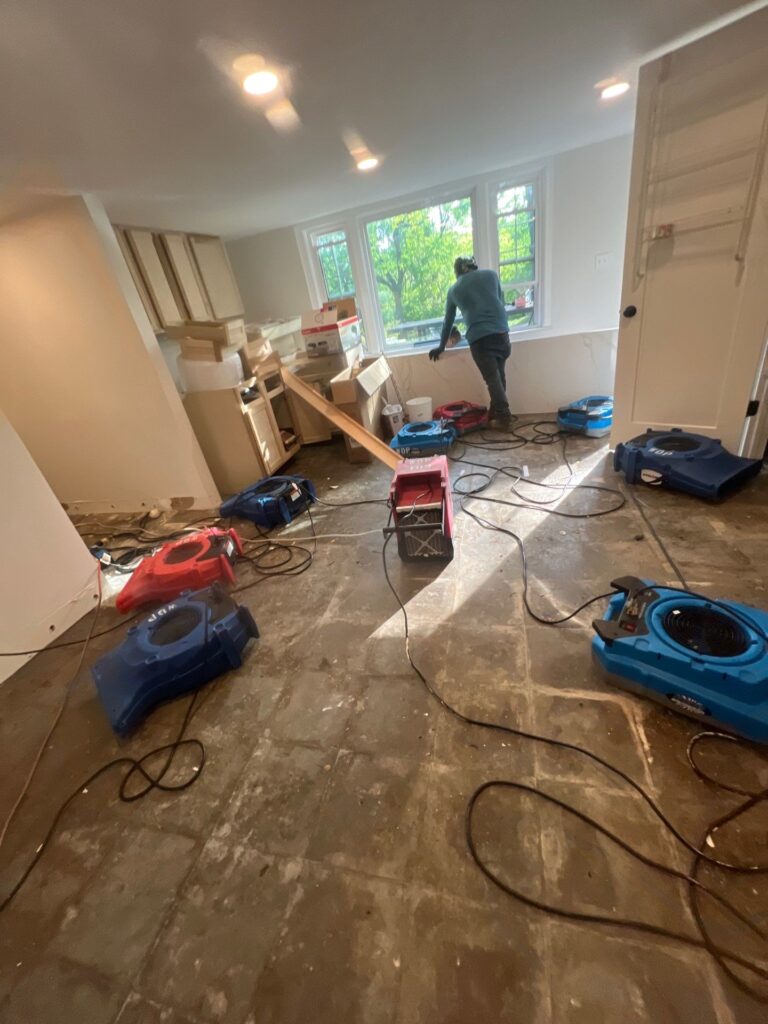
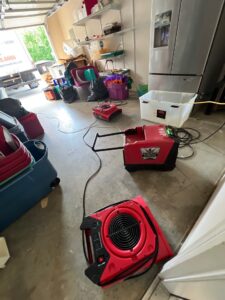
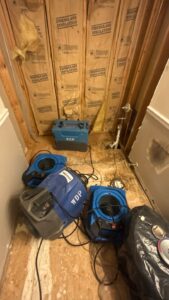
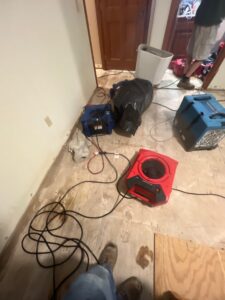
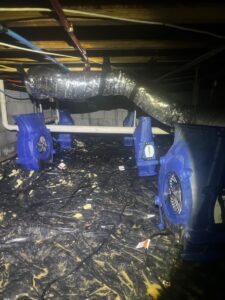
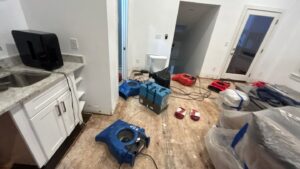
Industrial dehumidifiers and air movers dry out walls, floors, and cavities where moisture hides. This process typically takes several days. Technicians monitor moisture levels throughout to confirm complete drying before any electrical work proceeds.
Coordination with Electricians
Restoration companies work alongside licensed electricians to ensure proper sequencing. Electrical inspection and repairs happen after the area is confirmed dry. Trying to restore power before complete drying creates new hazards.
Mold Prevention
Water that reaches wall cavities where outlets are located creates perfect conditions for mold growth. Professional drying prevents this secondary problem. If water sat too long before restoration began, mold remediation may become necessary as part of the overall project.
Warning Signs of Hidden Electrical Damage After Flooding
Even after professional restoration, monitoring your home for signs of electrical problems makes sense. Water damage sometimes causes issues that appear weeks or months later. Watch for these warning signs.
- Outlets that feel warm to the touch
- Burning smells near outlets or switches
- Lights that flicker without explanation
- Circuit breakers that trip repeatedly
- Discoloration around outlets or on walls
- Buzzing or crackling sounds from outlets
- Appliances that malfunction when plugged into certain outlets
Any of these symptoms after water exposure warrants immediate attention from an electrician. Do not ignore them or assume they will resolve on their own. The consequences of electrical fires are severe and often preventable with prompt action.
Protecting Your Clarksville Home from Future Incidents
After dealing with water reaching your electrical outlets once, taking steps to prevent recurrence makes sense. Several measures reduce your risk significantly.
Installing GFCI outlets in all areas where water exposure is possible provides crucial protection. Kitchens, bathrooms, laundry rooms, basements, garages, and outdoor areas should all have GFCI protection. These outlets cut power in milliseconds when they detect ground faults.
Water leak detection systems alert you before minor leaks become major floods. Sensors placed near water heaters, washing machines, and under sinks can send smartphone notifications the moment they detect moisture. Some systems automatically shut off the main water supply.
Regular plumbing maintenance catches failing components before they burst. Supply lines, water heater connections, and appliance hoses have limited lifespans. Replacing them proactively costs far less than emergency restoration.
Sump pumps with battery backup protect basements from groundwater intrusion. Properties in Springfield, Goodlettsville, and other areas around Clarksville with high water tables especially benefit from this protection.
Frequently Asked Questions
Can I use a hair dryer to dry out a wet outlet?
No. Never apply heat directly to electrical components, and never use electrical devices near water damage. This creates fire and electrocution risks. Professional drying equipment is specifically designed for safe moisture removal from building materials.
How long does it take to safely restore power after water reaches outlets?
Timelines vary based on the extent of water damage and how quickly professional help arrives. Complete structural drying typically takes three to five days. Electrical inspection and any necessary repairs add additional time. Rushing this process creates safety hazards.
Will my homeowner’s insurance cover water damage to electrical systems?
Coverage depends on the cause of the water damage and your specific policy language. Sudden pipe bursts are typically covered. Gradual leaks and flood damage may not be covered or may require separate policies. Document everything and contact your insurance company promptly.
Should I replace all outlets that got wet or just the ones that look damaged?
An electrician should make this determination based on testing rather than visual inspection. Outlets that were submerged generally need replacement. Those that experienced splashing may be salvageable. Internal damage often exists without visible signs.
What if water only reached one outlet in my home?
Even a single affected outlet requires proper attention. Water can travel along wiring and inside wall cavities, affecting areas beyond what is visible. Professional assessment determines the true extent of exposure.
Can I turn off individual breakers instead of the main breaker?
If you know exactly which circuits are affected and can safely reach your panel, turning off specific breakers is acceptable. However, water often spreads to multiple circuits, and identifying all affected areas without professional equipment is difficult. When in doubt, cut all power at the main breaker.
Taking the Right Steps Protects Your Home and Family
Water reaching electrical outlets creates a situation that demands immediate, careful action. The combination of electrical hazards and water damage requires coordination between multiple professionals to resolve safely. Attempting shortcuts or DIY solutions puts lives at risk and often increases the total cost of restoration.
If you are dealing with water damage that has affected or may have affected electrical components in your Clarksville home, do not wait to seek help. Contact a qualified water damage restoration company that understands how to coordinate with electricians and work through these situations properly. The faster professional help arrives, the better the outcome for your home and your family’s safety.