After discovering water damage in your home, one of the first questions that crosses your mind is whether to open the windows or keep them closed. The answer depends on the weather conditions outside. If outdoor humidity is lower than indoor humidity and there is no rain in the forecast, opening windows can help. But if it is humid, rainy, or extremely hot or cold outside, keeping windows closed and relying on mechanical drying is the better choice. Getting this decision wrong can slow down the drying process significantly or even make moisture problems worse.
Understanding why ventilation matters and when it helps requires knowing a bit about how moisture behaves. Whether you are dealing with a burst pipe in Nashville, storm flooding near Clarksville, or a slow leak that finally showed itself, the principles stay the same. Let me walk you through what actually works and what to avoid.
Why Ventilation Matters After Water Damage
When water soaks into your floors, walls, or furniture, it does not just sit there. It starts evaporating into the air, raising the humidity levels inside your home. This moisture-heavy air needs somewhere to go. If it stays trapped inside, the drying process slows to a crawl. Worse, that trapped moisture creates perfect conditions for mold growth, which can start within 24 to 48 hours.
Proper airflow helps carry that moisture-laden air away from wet materials. Fresh, drier air replaces it, allowing evaporation to continue at a reasonable pace. Think of it like trying to dry a wet towel. Hanging it in a stuffy closet takes forever. Hanging it where air moves around it speeds things up considerably.
The challenge is that outside air is not always drier than inside air. This is where people make mistakes.
When Opening Windows Actually Helps
Opening windows works in your favor under specific conditions. If the weather cooperates, natural ventilation can supplement your drying efforts without costing you anything. Here is when it makes sense:
- Outdoor humidity is below 50 percent
- No rain is expected for the next several hours
- Temperatures are mild, roughly between 50 and 85 degrees
- There is a light breeze to promote air exchange
Under these conditions, opening windows on opposite sides of the affected area creates cross-ventilation. Air flows in one side and out the other, carrying moisture with it. This is particularly useful in the early stages when humidity levels inside are extremely high.
A cheap hygrometer from any hardware store can tell you the humidity levels inside and outside. If outside reads lower, you have the green light to open up. If the numbers are close or outside is higher, keep everything shut.
When You Should Keep Windows Closed
There are plenty of situations where opening windows does more harm than good. Humid summer days are the most common culprit. When outdoor humidity sits at 70, 80, or 90 percent, letting that air inside just adds more moisture to an already wet environment.
Keep windows closed under these circumstances:
- Outdoor humidity exceeds indoor humidity
- Rain is falling or expected soon
- Temperatures are below 50 degrees, which makes evaporation sluggish
- Temperatures exceed 90 degrees with high humidity
- Pollen counts are extreme, and family members have allergies
- Dehumidifiers and air movers are running at full capacity
Professional-grade dehumidifiers work best in a closed environment. They pull moisture from the air continuously, and that moisture gets collected and drained away. If you have windows open while running dehumidifiers, you are essentially asking the machines to dehumidify the entire neighborhood. They cannot keep up, and you waste energy while extending drying time.
Understanding Humidity and the Drying Process
Humidity control is really the heart of water damage restoration. Wet materials release moisture into the air through evaporation. Dehumidifiers pull that moisture out of the air. Air movers speed up evaporation by pushing air across wet surfaces. This cycle continues until materials reach their normal moisture content.
The goal is keeping indoor relative humidity between 30 and 50 percent during drying. Below 30 percent can cause wood to crack and other materials to become brittle. Above 50 percent slows drying and increases mold risk.
Temperature plays a role too. Warmer air holds more moisture, which means it can absorb more water from wet materials. But if that warm air is already saturated with humidity, there is no room for additional moisture. This is why hot, muggy summer days are so challenging for drying.
Cool air holds less moisture overall, so winter drying can be tricky. Running your heating system helps because it warms the air and lowers relative humidity. Just keep in mind that extremely cold outdoor air, when heated indoors, becomes very dry. This can help with drying but may require monitoring to prevent over-drying.
What Professional Restoration Teams Do Differently
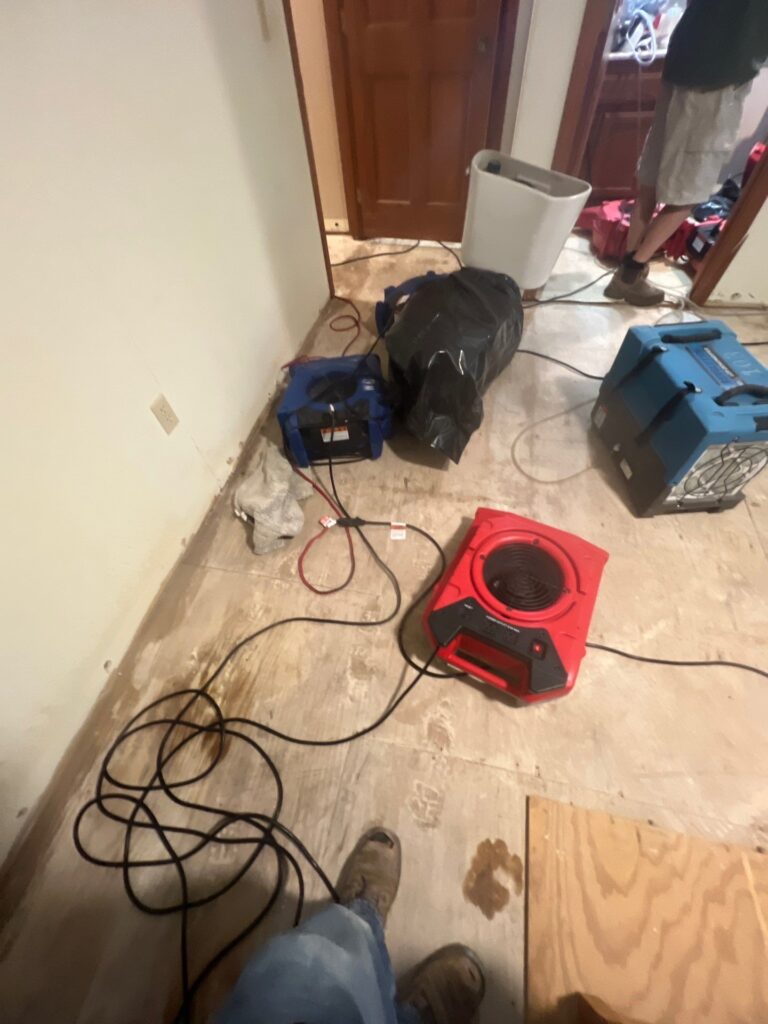
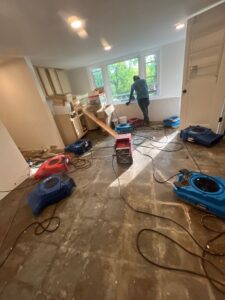
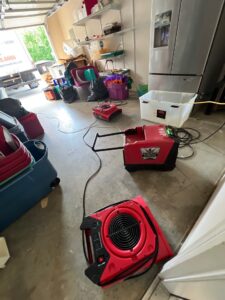
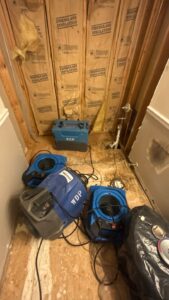
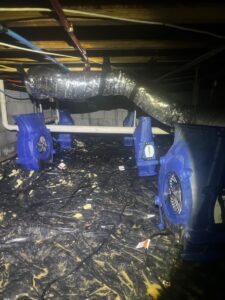
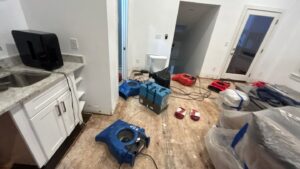
When restoration professionals show up, they typically close up the affected area and create a controlled drying environment. They bring in commercial dehumidifiers that can remove dozens of gallons of water per day. They position air movers strategically to maximize evaporation from walls, floors, and other surfaces.
They also monitor moisture levels constantly using meters that measure moisture content in various materials. This is not guesswork. It is systematic, and it ensures that drying continues until everything is back to normal levels.
Professionals rarely rely on open windows except in specific circumstances. Maybe during initial water extraction when humidity is off the charts and conditions outside are favorable. Or in cases where power is out and mechanical drying is not possible. But as soon as equipment is running, windows stay closed.
If you are dealing with significant water damage, whether from a flooded basement, a dishwasher leak, or storm damage, having a professional assess the situation saves time and prevents secondary damage. The longer materials stay wet, the more likely you are to face mold problems, warped flooring, or structural issues.
Common Mistakes to Avoid After Water Damage
People make the same mistakes repeatedly when dealing with water damage. Avoiding these errors can save you money and headaches.
Running fans without dehumidification. Fans move air around, but they do not remove moisture. If you just point box fans at wet carpet without running a dehumidifier, you are spreading humid air throughout the house. The carpet might feel drier on the surface while the padding underneath stays soaked.
Opening windows during humid weather. This is the big one. It feels logical that fresh air helps, but bringing in moisture-heavy air slows everything down. Check the humidity before opening anything.
Turning off equipment too soon. Just because the surface feels dry does not mean the job is done. Moisture hides in wall cavities, under flooring, and inside structural materials. Professional restorers use moisture meters for a reason. Running equipment an extra day or two is better than stopping early and discovering mold a month later.
Ignoring hidden moisture. Water travels. It seeps under baseboards, wicks up into drywall, and pools in subfloor cavities. If you only dry what you can see, you leave moisture behind. This hidden moisture causes mold, odors, and deterioration over time.
Waiting too long to act. Every hour counts. Mold can begin developing within 24 to 48 hours. The faster you start drying, the less damage you will face. If you cannot handle it yourself, calling a restoration company quickly is worth the cost.
Practical Steps for Homeowners
If you are dealing with minor water damage and want to handle it yourself, here is a straightforward approach:
- Remove standing water with a wet vacuum, mop, or towels
- Check outdoor humidity using a weather app or hygrometer
- If outdoor humidity is low and weather is clear, open windows for cross-ventilation
- If outdoor humidity is high or rain is coming, keep windows closed
- Run a dehumidifier in the affected area, the bigger the better
- Position fans to blow across wet surfaces toward the dehumidifier
- Remove wet rugs, furniture, and items that can be dried elsewhere
- Check for moisture in hidden areas like closets, under sinks, and behind furniture
- Monitor progress daily and continue until everything is dry
For anything beyond a small, contained leak, getting a professional involved is smart. They have the equipment and experience to dry things properly and can spot problems you might miss.
Frequently Asked Questions
How long should I run a dehumidifier after water damage?
Run a dehumidifier continuously until moisture levels in affected materials return to normal, typically between 24 hours and several days depending on the extent of damage. Using a moisture meter helps confirm when drying is complete rather than guessing based on how things feel.
Can I use my central air conditioning to help dry water damage?
Yes, air conditioning helps because it removes humidity from the air as part of the cooling process. Running AC along with fans and a dehumidifier creates a solid drying environment. Keep windows closed while using AC so you are not fighting against outdoor humidity.
Will opening windows prevent mold after water damage?
Opening windows alone will not prevent mold. Mold prevention requires removing moisture quickly, whether through ventilation, dehumidification, or both. If outdoor conditions are not favorable, open windows can actually increase mold risk by adding humidity to the indoor environment.
How do I know if my home is dry enough after water damage?
The best way is using a moisture meter to check affected materials. Wood should typically read below 15 percent moisture content. Drywall should be below 1 percent on a pin-type meter. If you do not have a moisture meter, monitor indoor humidity levels and ensure they stay between 30 and 50 percent consistently.
Should I open windows at night to help dry water damage?
Nighttime can actually be a good time for ventilation because humidity often drops after sunset, especially on clear nights. Check the humidity levels before opening windows regardless of the time. If outdoor humidity is lower than indoors and no rain is expected, nighttime ventilation can help.
What if I smell mold but everything seems dry?
A musty smell suggests hidden moisture or mold growth somewhere you cannot see. Check wall cavities, under flooring, behind appliances, and in crawl spaces. If you cannot locate the source, a restoration professional can use thermal imaging and moisture detection equipment to find hidden problems.
Taking the Right Next Steps
Deciding whether to open windows after water damage comes down to one thing: comparing indoor and outdoor humidity. When outside air is drier, let it in. When it is not, seal up and rely on mechanical drying. Getting this right speeds up the process and reduces your risk of mold and secondary damage.
If you are unsure about the extent of the damage or the drying is not progressing as expected, do not wait. Reaching out to a water damage restoration professional gets you accurate moisture readings, proper equipment, and peace of mind that the job is done right. The sooner you act, the less you will have to deal with down the road.