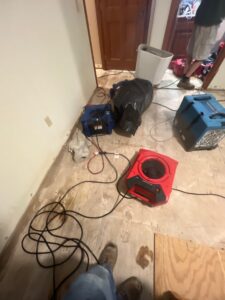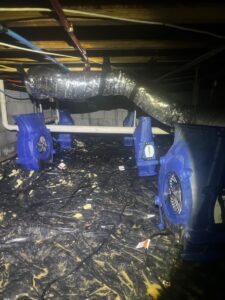
Professionals detect hidden moisture under floors using specialized equipment that measures moisture levels without tearing up your flooring. The primary tools include non-invasive moisture meters, thermal imaging cameras, and hygrometers that can identify trapped water even when the surface looks completely dry. These devices allow technicians to map exactly where moisture has spread beneath hardwood, tile, laminate, or carpet, so they know precisely what needs attention before mold has a chance to develop.
The tricky thing about water under flooring is that it rarely stays put. A small leak under your kitchen sink can travel along subfloor seams and end up saturating an area fifteen feet away. By the time you notice warping or smell something musty, the damage has often spread far beyond what you can see. That is exactly why detection methods matter so much, and why homeowners across Nashville, Clarksville, and surrounding communities often find themselves surprised by how far water has actually traveled beneath their feet.
Why Surface Appearances Are Misleading
Most flooring materials act like a lid on a pot. They trap moisture underneath while looking perfectly normal on top. Hardwood might feel solid. Tile grout might look fine. Carpet might not even feel damp to the touch. Meanwhile, the subfloor beneath is soaking wet and slowly deteriorating.
Water follows gravity and the path of least resistance. It seeps into cracks, flows along joists, and pools in low spots. A slow dishwasher leak might saturate the subfloor for weeks before any visible sign appears. By then, you are dealing with potential structural damage and an environment where mold thrives.
Professional detection exists because guessing does not work. Pulling up random sections of flooring hoping to find the wet spot wastes time, money, and creates unnecessary damage. The right equipment pinpoints problem areas with accuracy, saving you from tearing apart rooms that are actually dry.
Non-Invasive Moisture Meters and How They Work
The most common tool in a restoration technician’s kit is the non-invasive moisture meter. These handheld devices use electrical signals to measure moisture content without puncturing or damaging the floor surface.
There are two main types:
- Pin-type meters use two small probes that penetrate the material slightly. They measure electrical resistance between the pins, since wet materials conduct electricity differently than dry ones. These work well for confirming readings in specific spots.
- Pinless meters send electromagnetic waves into the material and measure what bounces back. They scan larger areas without leaving any marks. Technicians use these to sweep across floors and identify general moisture patterns.
Most professionals start with pinless meters to get the big picture, then switch to pin-type meters for precise readings in suspicious areas. The combination provides both speed and accuracy.
These meters measure moisture as a percentage of the material’s total composition. Different flooring materials have different acceptable ranges. Hardwood typically should stay below 12 percent moisture content. Concrete slabs have their own benchmarks. A skilled technician knows what readings indicate a problem versus what falls within normal range for your specific flooring type and local climate conditions.
Thermal Imaging Cameras Reveal Temperature Differences
Infrared thermal imaging cameras detect temperature variations across surfaces. Since wet areas retain cold differently than dry areas, moisture pockets show up as distinct color patterns on the camera’s screen.
When water evaporates, it cools the surrounding material. This temperature difference is invisible to the naked eye but clear through thermal imaging. A technician scanning your floor with an infrared camera can see cooler spots where moisture has accumulated, even beneath carpet or behind baseboards.
Thermal imaging excels at:
- Finding the full extent of water migration
- Identifying moisture behind walls connected to the flooring
- Detecting leaks in radiant floor heating systems
- Pinpointing areas where insulation has become wet
- Mapping moisture patterns without any contact with the floor
The limitation is that thermal cameras show temperature, not moisture directly. A cold spot could be caused by an air draft, a concrete footer, or poor insulation rather than water. That is why professionals use thermal imaging alongside moisture meters, not as a standalone tool. The camera identifies areas of concern, and the meter confirms whether moisture is actually present.
Hygrometers and Relative Humidity Testing
Sometimes the moisture problem involves the air trapped beneath the flooring rather than the materials themselves. Hygrometers measure relative humidity, which tells technicians whether conditions are right for ongoing evaporation and potential mold growth.
In situations involving concrete slabs or crawl spaces, elevated humidity can indicate moisture vapor rising through the foundation. Even if the flooring itself tests dry on the surface, high humidity underneath creates persistent problems.
Technicians may place hygrometers in contained areas or use specialized probes that measure humidity at specific depths within concrete. This information determines whether vapor barriers are needed or whether the drying process is complete.
Relative humidity readings become especially important during the drying phase after water damage occurs. Restoration work is not finished just because the floor feels dry. The humidity levels in the affected space need to return to normal before flooring can be safely reinstalled or repairs can be considered complete.
The Calcium Chloride Test for Concrete Floors
Concrete slabs present unique detection challenges because they are porous and can hold moisture for extended periods. The calcium chloride test, sometimes called the moisture dome test, measures vapor emission from concrete surfaces.
The process involves placing a small dish of calcium chloride crystals under a sealed dome on the concrete. After 60 to 72 hours, the crystals are weighed. The amount of weight gained indicates how much moisture vapor is escaping from the concrete. Industry standards set acceptable limits based on the type of flooring that will be installed.
This test matters for:
- New construction where concrete may not have fully cured
- Slab-on-grade homes with potential groundwater intrusion
- Basements with chronic moisture problems
- Situations where flooring has failed repeatedly due to moisture
While this test takes longer than electronic methods, it provides specific data about vapor transmission rates that instant readings cannot capture. Many flooring manufacturers require calcium chloride test results before honoring warranty claims.
What Happens During a Professional Moisture Inspection
When a restoration technician arrives to assess potential water damage under your floors, the inspection typically follows a systematic process.
Initial assessment: The technician asks questions about what you have noticed, when symptoms appeared, and any known water events. They look for visible signs like buckling, staining, or soft spots.
Baseline readings: Using pinless meters, they take readings in areas you know are dry to establish what normal looks like for your specific flooring and conditions.
Systematic scanning: Working outward from suspected problem areas, they scan the entire affected zone. Many technicians mark readings directly on the floor with tape to create a visual map.
Thermal imaging sweep: The infrared camera identifies temperature anomalies that might indicate moisture spread beyond what meters detected.
Confirmation readings: Pin-type meters verify suspicious areas identified by other methods.
Documentation: Professional inspections include detailed records of all readings, photos of thermal images, and mapping of affected areas. This documentation supports insurance claims and guides the restoration plan.
The whole process might take thirty minutes for a small area or several hours for a large home with multiple floors. Thorough detection at this stage prevents surprises during restoration and ensures nothing gets missed.
Signs That Suggest You Need Professional Moisture Detection
Not every situation requires calling in specialists with detection equipment. However, certain warning signs strongly suggest hidden moisture that DIY methods cannot reliably assess.
- Flooring that feels spongy or bouncy when you walk on it
- Cupping, crowning, or buckling in hardwood floors
- Tiles that have come loose without an obvious cause
- Musty odors that persist despite cleaning
- Visible mold growth along baseboards or floor edges
- Recent water events like flooding, leaks, or appliance failures
- Increased humidity in rooms without explanation
- Pet behavior changes, since animals often detect moisture before humans do
If you have experienced any flooding or significant water intrusion, professional detection makes sense even if the floor looks fine. Water that sits under flooring for more than 24 to 48 hours dramatically increases the risk of mold growth and structural damage. Quick, accurate detection determines whether you have a serious problem or just minor dampness that will dry on its own.
Why DIY Moisture Detection Has Limits
Consumer-grade moisture meters exist and can provide useful information for homeowners curious about their floors. However, they have significant limitations compared to professional equipment.
Most inexpensive meters lack the sensitivity and depth penetration of professional units. They might indicate wet or dry, but they cannot tell you moisture percentages or measure through thicker flooring assemblies. They also require interpretation, knowing what number means trouble versus what falls within an acceptable range for your materials and climate.
Thermal imaging cameras for consumers have become more affordable, but lower resolution and sensitivity mean they miss subtle temperature variations that professional cameras detect. You might see major wet spots but miss the edges of the damage spread.
The bigger issue is experience. A technician who has inspected hundreds of water-damaged floors recognizes patterns that numbers alone do not reveal. They know where water tends to travel in different construction types. They understand how various flooring and subfloor combinations affect readings. They can distinguish between active moisture problems and residual readings from issues that have already dried.
For confirming whether a known wet spot has dried or checking a suspicious area before calling professionals, consumer meters have their place. For comprehensive assessment after significant water events, professional detection remains the reliable choice.
Frequently Asked Questions
How long does moisture stay trapped under flooring?
Without intervention, moisture can remain trapped under flooring for weeks or even months. Factors include the amount of water, subfloor material, ventilation, humidity levels, and flooring type. Concrete retains moisture longest, sometimes holding water for months. Plywood subfloors over crawl spaces with poor ventilation also dry very slowly.
Can I check for moisture under my floor myself?
Basic pin-type moisture meters available at hardware stores can give you a general idea of whether materials are wet. However, they cannot measure through flooring surfaces and require you to access the subfloor directly. For a thorough assessment without damaging your floors, professional non-invasive equipment provides more complete information.
Will my homeowner’s insurance cover moisture detection?
Most policies cover detection and testing when it relates to a covered water damage claim. If you have a sudden leak or flood covered by your policy, the moisture inspection is typically included in the restoration scope. Policies vary, so check your specific coverage language or ask your claims adjuster.
How accurate is thermal imaging for finding water under floors?
Thermal imaging accurately detects temperature differences, which often indicate moisture. However, false positives can occur from drafts, thermal bridging, or HVAC effects. Professionals use thermal imaging as a screening tool, then confirm findings with direct moisture measurement. When used properly as part of a multi-tool approach, accuracy is very high.
Should I remove the flooring to let it dry or leave it in place?
This depends on the extent of saturation, the flooring type, and how long moisture has been present. Some situations allow for in-place drying with specialized equipment. Others require removal for adequate drying and mold prevention. A professional assessment determines which approach makes sense for your specific situation, balancing cost, time, and thoroughness.
Taking Action on Hidden Moisture
Hidden moisture under floors represents one of the more frustrating problems for homeowners because the damage happens out of sight. By the time obvious signs appear, you may be dealing with problems that started weeks or months earlier. Professional detection equipment exists specifically because accurate assessment matters, both for addressing current damage and preventing future complications.
If you suspect water has made its way beneath your floors, or if you have recently dealt with any water intrusion, getting professional detection done promptly gives you the information needed to make good decisions. The alternative, waiting and hoping, typically results in more extensive damage and higher repair costs.
Contact a qualified water damage restoration professional to schedule a moisture inspection. Accurate detection today prevents bigger problems tomorrow.