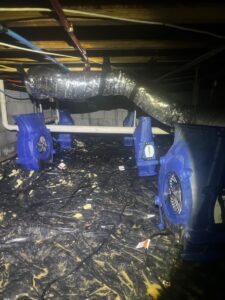
Water mitigation stops the damage from getting worse. Full restoration repairs everything and returns your property to its original condition. These are two separate phases of the same recovery process, and understanding the difference helps you know what to expect after a flood, burst pipe, or any water intrusion event.
Many homeowners assume that once the water is gone, the job is finished. That assumption leads to problems down the road. Mitigation handles the emergency. Restoration handles the rebuild. Both matter, and skipping or rushing either phase creates headaches that cost more time and money than doing it right from the start.
Breaking Down Water Mitigation
Mitigation is the emergency response phase. The goal is simple: stop active damage and prevent the situation from escalating. When a pipe bursts in your basement or storm water pushes through your foundation, every hour counts. Wet building materials continue absorbing moisture. That moisture spreads through drywall, subfloors, and framing. Left unchecked, structural damage and mold growth become inevitable.
A mitigation crew focuses on these priorities:
- Extracting standing water using pumps and wet vacuums
- Identifying the water source and stopping it when possible
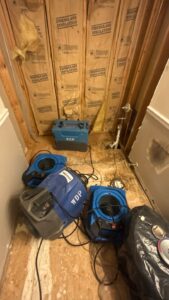
- Removing saturated materials that cannot be saved
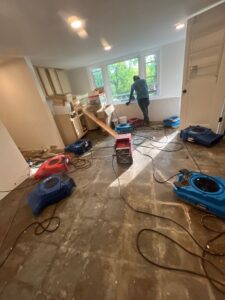
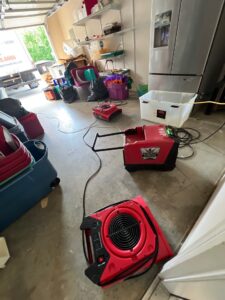
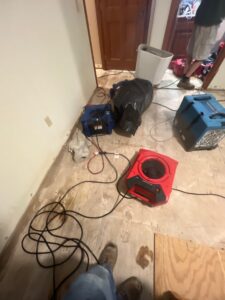
- Setting up industrial drying equipment, including air movers and dehumidifiers
- Monitoring moisture levels in walls, floors, and ceilings
- Applying antimicrobial treatments to prevent bacterial and fungal growth
This phase typically lasts three to five days for moderate water events, though severe flooding or hidden water intrusion may require longer drying times. The technicians measure moisture content daily and adjust equipment placement based on readings. Drying is not guesswork. It follows industry standards set by organizations like the IICRC.
What Full Restoration Actually Involves
Restoration begins after mitigation confirms the structure is dry. This phase rebuilds what was lost or damaged beyond saving. If mitigation is the trauma surgeon, restoration is the reconstructive specialist.
Depending on the extent of damage, restoration work may include:
- Replacing drywall and insulation
- Installing new flooring, carpet, or tile
- Repairing or replacing baseboards and trim
- Repainting walls and ceilings
- Rebuilding damaged cabinets or built-in features
- Addressing electrical or plumbing components affected by water
Some jobs require minor cosmetic repairs. Others involve gutting entire rooms and starting fresh. The scope depends on how much water entered the structure, how long it sat before extraction, and what materials were affected. Hardwood floors, for example, sometimes survive with proper drying. Other times, they warp beyond repair and need full replacement.
Why These Phases Cannot Be Combined
Rushing to restoration before completing proper mitigation causes serious problems. Installing new drywall over framing that still holds moisture traps water inside your walls. Within weeks, you must notice musty odors. Within months, mold colonies establish themselves behind your fresh paint.
Professionals throughout Nashville and Clarksville see this mistake regularly. A homeowner wants their house back to normal as quickly as possible. They pressure contractors to skip steps, or they hire someone willing to cut corners. Six months later, they tear out the new work and start over, paying twice for the same repair.
Proper moisture documentation protects you. A reputable mitigation company provides readings at the start and end of the drying process. Those numbers prove the structure reached acceptable moisture levels before restoration began. If problems develop later, that documentation becomes critical for insurance claims or contractor disputes.
The Timeline You Should Expect
Every water damage situation is different, but here is a general framework for what the process looks like:
Day One: Emergency response arrives, extracts standing water, sets up initial drying equipment, and assesses visible damage.
Days Two Through Five: Technicians monitor moisture levels, adjust equipment, remove materials that cannot be saved, and treat affected areas.
Day Five or Six: Final moisture readings confirm the structure is dry. Mitigation equipment gets removed.
Following Weeks: Restoration contractors begin repairs. Simple jobs wrap up in a week. Extensive damage may take several weeks or longer, depending on material availability and scope.
Weather, building materials, and the water category all affect this timeline. Category one water from a clean source dries faster and requires less demolition than category three water from sewage backups or external flooding. Contaminated water events require more aggressive removal of porous materials regardless of how wet they get.
How Insurance Treats Each Phase
Most homeowner policies cover sudden and accidental water damage, but the way they handle mitigation versus restoration differs. Insurance companies generally want mitigation started immediately. Delaying extraction and drying can result in denied claims for secondary damage that proper mitigation would have prevented.
Mitigation costs typically fall under emergency services and get processed quickly. Restoration costs require more documentation. Adjusters want to see scope of work estimates, material lists, and sometimes multiple bids before approving repairs.
Some insurance policies have separate limits or deductibles for different coverage categories. Water damage restoration might fall under dwelling coverage, while damaged personal property falls under contents coverage. Review your policy language carefully or ask your agent to explain how your specific plan handles these situations.
Document everything from the moment you discover water damage. Photograph the affected areas before cleanup begins. Keep all receipts. Save communication records with your insurance company. This documentation supports your claim regardless of which phase you are discussing.
Signs Your Mitigation Was Done Correctly
Not all mitigation companies deliver the same quality of work. Knowing what proper mitigation looks like helps you evaluate whether your property is ready for restoration.
Proper mitigation includes:
- Written moisture readings from multiple locations before and after drying
- Daily monitoring and equipment adjustment during the drying period
- Removal of materials that cannot be adequately dried, including affected insulation and severely damaged drywall
- Antimicrobial treatment of structural materials that were saved
- A clear explanation of what was done and why
If a company extracts water, runs fans for a day, and declares the job finished without moisture documentation, be skeptical. Quick turnarounds save money upfront but create expensive problems later.
When Mold Becomes Part of the Conversation
Mold growth becomes a concern when water sits for extended periods or when mitigation fails to dry the structure completely. Spores exist everywhere. They only need moisture and organic material to colonize. Drywall paper, wood framing, carpet backing, and many other building materials provide food sources once they get wet.
Proper mitigation dramatically reduces mold risk. Getting equipment on site within the first 24 to 48 hours and drying the structure within industry standards gives mold little opportunity to establish. When mitigation delays occur or hidden moisture gets missed, mold remediation may become necessary before restoration can proceed.
This adds time and cost to the overall project. Remediation requires containment, specialized removal procedures, and post-remediation testing. Some restoration contractors handle mold remediation while others refer to specialists. Either way, addressing mold before rebuilding is not optional.
Choosing Professionals for Each Phase
Some companies handle both mitigation and restoration. Others specialize in one or the other. Both approaches work when you choose qualified professionals.
For mitigation, look for IICRC certification in water damage restoration. Ask about their equipment inventory and response time. A company that cannot get equipment to your property within hours may not be set up for true emergency response.
For restoration, verify contractor licensing and insurance. Ask for references from similar projects. A company experienced in general construction may lack specific knowledge about water-damaged structures. Moisture awareness matters during restoration because trapped moisture causes problems even in new materials.
Using the same company for both phases offers convenience and accountability. Using separate specialists sometimes provides better expertise at each stage. Either path works if you verify qualifications and communicate expectations clearly.
Frequently Asked Questions
Can I handle mitigation myself for small water events?
Minor spills on hard surfaces that get wiped up immediately rarely need professional intervention. But once water soaks into carpet, penetrates drywall, or sits for more than a few hours, professional drying equipment becomes necessary. Household fans and dehumidifiers lack the power to dry building materials properly.
How do I know when drying is actually complete?
Professional moisture meters measure water content in materials. Industry standards define acceptable moisture levels for different materials in your climate zone. Your mitigation company should provide readings showing materials returned to normal levels before recommending that restoration begin.
Will my insurance cover both mitigation and restoration?
Most policies cover both when the water damage results from a covered peril. However, coverage limits, deductibles, and claim procedures may differ between emergency mitigation and reconstruction. Contact your insurance company immediately after discovering water damage to understand your specific coverage.
What happens if I skip mitigation and go straight to repairs?
Rebuilding over wet materials traps moisture inside your walls and floors. This leads to mold growth, wood rot, and deterioration of new materials. You end up tearing out the repairs and paying for both mitigation and restoration a second time.
How long after water damage does mold start growing?
Mold spores can begin colonizing within 24 to 48 hours under the right conditions. This is why rapid mitigation response matters so much. Proper drying within the first few days significantly reduces mold risk compared to a delayed response.
Do restoration contractors need to see the mitigation documentation?
Yes. Reputable restoration contractors want to verify the structure is dry before beginning work. Moisture documentation protects both you and them. If a contractor seems indifferent to moisture readings, consider that a warning sign.
Moving Forward After Water Damage
Water damage recovery is a process, not a single event. Understanding that mitigation and restoration serve different purposes helps you make better decisions at each stage. Mitigation protects your property from additional damage. Restoration returns your home to the condition it was in before the water arrived.
Rushing either phase creates problems. Cutting corners on mitigation leads to mold and structural issues. Starting restoration before drying completes wastes money on materials that will need replacing again.
If you are dealing with water damage right now, contact a professional mitigation team immediately. Time matters during the emergency phase. Once your property is properly dried and documented, take your time selecting the right restoration contractor to rebuild correctly. Your home deserves both a fast response and quality repairs.