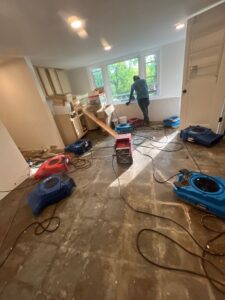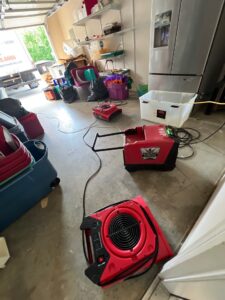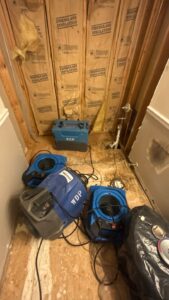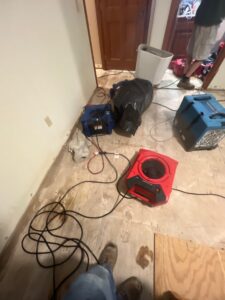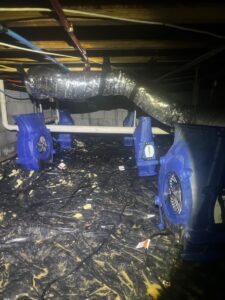
The best way to prevent mold after water damage in Nashville is to start drying the affected area within 24 to 48 hours. Mold spores need moisture and time to colonize, so removing standing water, running air movers, and using commercial dehumidifiers can stop growth before it starts. If you act fast and dry materials thoroughly, most water damage situations never develop into mold problems.
That said, Nashville’s humid subtropical climate makes this harder than it sounds. Our summers regularly push past 90% relative humidity, and even mild water intrusion can linger in wall cavities and subfloors longer than homeowners realize. I’ve seen plenty of situations where someone thought they cleaned up a leak properly, only to find fuzzy patches behind their baseboards three weeks later.
Why Mold Grows So Quickly After Water Damage
Mold doesn’t need much to thrive. Give it organic material like drywall paper, wood framing, or carpet backing, add moisture, and keep temperatures between 60 and 80 degrees. That describes most Nashville homes after a pipe burst or storm intrusion.
The timeline matters more than most people think. Mold spores exist everywhere, floating in the air and settling on surfaces throughout your house right now. They’re dormant and harmless until they find the right conditions. Once materials stay wet beyond that 48-hour window, spores begin germinating. By 72 hours, visible colonies can appear. After a week of sustained moisture, you’re likely dealing with established growth that requires professional remediation.
What makes Nashville particularly challenging is that our climate doesn’t help materials dry naturally. During the summer months, opening windows often makes things worse because you’re letting in humid air. Basements and crawl spaces in areas like Franklin and Brentwood rarely dry out on their own because ground moisture constantly seeps through foundation walls.
Immediate Steps to Take Within the First 24 Hours
Speed matters more than perfection on the first day after water damage. Here’s what you should focus on:
- Stop the water source if it’s still active, whether that’s shutting off a valve, covering a roof breach with a tarp, or turning off your main water supply
- Remove standing water using wet vacuums, mops, or pumps, depending on the volume
- Pull up carpet and padding in affected areas so air can reach the subfloor
- Move furniture away from wet walls and elevate items off damp floors
- Open cabinet doors and closets in affected rooms to improve airflow
- Remove baseboards if water reached the lower portion of your walls
Don’t wait to see if things dry on their own. By the time you notice musty smells or visible damage, mold prevention becomes mold remediation, which costs significantly more and takes longer to resolve.
Proper Drying Equipment Makes the Difference
Household fans and your regular HVAC system aren’t enough for serious water damage. Professional water damage restoration uses specific equipment designed to pull moisture from building materials, not just move air around.
Air movers create high-velocity airflow across wet surfaces. Unlike box fans that push air in one direction, air movers are positioned to create circulation patterns that accelerate evaporation from floors, walls, and furniture. A single room might need three or four units strategically placed to dry effectively.
Commercial dehumidifiers remove the moisture that air movers pull into the air. These units can extract 20 to 30 gallons of water per day, compared to residential dehumidifiers that might pull one or two gallons. Without adequate dehumidification, you’re just moving wet air around the room.
Moisture meters and thermal imaging help identify hidden pockets of water. Drywall can feel dry to the touch while holding significant moisture inside. Same with hardwood floors that look fine but have water trapped underneath. Restoration technicians use these tools to confirm materials have reached acceptable moisture levels before declaring the job complete.
Areas That Hide Moisture and Breed Mold
The water you can see is only part of the problem. Water travels through building materials in ways that aren’t obvious, and these hidden areas cause most post-damage mold issues:
- Wall cavities where water wicks up from wet baseboards
- Under vinyl or laminate flooring that traps moisture against the subfloor
- Behind cabinets, especially in kitchens and bathrooms with plumbing connections
- Inside the HVAC ductwork, if flooding reached the return vents
- Crawl spaces, where water intrusion often goes unnoticed for days
- Attic insulation after roof leaks or ice dam damage
- Inside upholstered furniture and mattresses
Crawl spaces deserve special attention in our region. Many homes in Mount Juliet, Murfreesboro, and throughout Middle Tennessee have vented crawl spaces that stay damp year-round. After flooding or plumbing leaks, these spaces can remain wet for weeks. Insulation hangs down, floor joists stay saturated, and mold establishes itself where no one looks until the smell becomes noticeable upstairs.
What Materials Can Be Saved and What Should Go
Not everything touched by water needs to be thrown away, but some materials can’t be dried thoroughly enough to prevent mold growth. Knowing the difference saves money and prevents problems down the road.
Materials that can usually be saved with proper drying:
- Solid hardwood flooring, though it may need sanding and refinishing
- Concrete and tile floors
- Wood framing and structural lumber
- Some furniture pieces, depending on construction
Materials that typically need replacement:
- Carpet padding, which absorbs water like a sponge and rarely dries completely
- Drywall that remained wet for more than 48 hours or shows any visible damage
- Particle board and MDF, which swell and break down when wet
- Fiberglass insulation that got saturated
- Ceiling tiles
When water damage involves sewage or contaminated sources, the rules change. Porous materials that contact category 3 water, which includes sewage backups and floodwater, generally need removal regardless of how quickly you respond.
Humidity Control After the Initial Drying Period
Once the emergency drying is complete, maintaining proper humidity levels prevents secondary problems. Target indoor relative humidity between 30% and 50% year-round.
In Nashville’s climate, this usually requires running dehumidifiers in basements and crawl spaces continuously from April through October. Air conditioning helps during summer because it removes humidity while cooling, but shoulder seasons in spring and fall can be tricky. Outside temperatures might be comfortable enough to skip AC, but humidity levels stay high enough to encourage mold growth.
Homes in Clarksville and northern areas sometimes deal with different patterns because they’re slightly further from the rivers and have different soil conditions, but the basic principle holds across Middle Tennessee. If your hygrometer shows indoor humidity above 60% for extended periods, you’re creating conditions where mold can establish itself on any surface that gets slightly damp.
Signs That Mold Prevention Failed
Even with good response efforts, mold sometimes develops. Watch for these indicators in the weeks and months following water damage:
- Persistent musty odors, especially in rooms that were affected
- Visible discoloration on walls, ceilings, or floors
- Paint bubbling or wallpaper peeling in areas that got wet
- Warping or buckling in wood floors
- Allergy symptoms that worsen when you’re at home
- Condensation on windows or cold surfaces that wasn’t present before
If you notice any of these signs, having a professional assess the situation makes sense. Mold hidden in wall cavities can spread significantly before becoming visible, and addressing it early limits the scope of remediation work required.
When Professional Water Damage Restoration Is Necessary
Minor spills and small leaks caught immediately can often be handled with towels, fans, and a household dehumidifier. Larger events require professional equipment and expertise to prevent mold growth.
Consider calling a water damage restoration company when:
- Standing water covers more than a small area
- Water has been present for more than a few hours before discovery
- The source involves contaminated water, such as sewage or floodwater
- Multiple rooms or floors are affected
- Water reached wall cavities, ceilings from above, or crawl spaces
- You don’t have access to commercial drying equipment
Professional restoration includes documenting damage for insurance purposes, which can be valuable when filing claims. Technicians also monitor drying progress with moisture meters and adjust equipment placement as conditions change, ensuring materials reach acceptable moisture levels throughout the affected area.
Frequently Asked Questions
How long does it take for mold to grow after water damage?
Mold can begin growing within 24 to 48 hours under the right conditions. Visible colonies typically appear within 72 hours to a week if the materials stay wet. The warmer and more humid the environment, the faster growth occurs.
Can I prevent mold just by running fans?
Fans help, but aren’t sufficient on their own. They move air and accelerate surface evaporation, but without dehumidification, moisture stays in the air and can resettle on materials. Combining air movement with dehumidification produces much better results.
Does homeowners’ insurance cover mold prevention after water damage?
Most policies cover water damage restoration, which includes drying efforts that prevent mold. However, if mold develops due to delayed response or negligence, coverage becomes complicated. Check your specific policy language and report water damage promptly.
Should I use bleach to prevent mold after water damage?
Bleach kills surface mold on hard, nonporous materials but doesn’t penetrate porous surfaces like drywall or wood. It also doesn’t address the moisture problem that enables mold growth. Proper drying is far more effective than chemical treatment.
How do I know when materials are dry enough?
Professional moisture meters provide accurate readings. Materials should return to moisture levels consistent with similar unaffected materials in your home, typically below 15% to 17% for wood products. Feeling dry to the touch isn’t a reliable indicator.
Can mold grow in winter?
Yes, though it grows more slowly in cooler temperatures. Indoor heating keeps most homes warm enough for mold growth year-round, and winter humidity from cooking, showers, and breathing can maintain moisture levels that support mold if ventilation is poor.
Take Action Before Small Problems Become Expensive Ones
Water damage doesn’t wait for convenient timing, and neither should your response. The difference between a straightforward drying job and a full mold remediation project often comes down to how quickly you act in those first critical hours.
If you’re dealing with water damage in your Nashville area home and want professional help getting things dried properly, reach out for an assessment. Getting expert eyes on the situation early can save significant time, money, and stress compared to discovering mold growth weeks down the road.