Right after a water leak, the worst thing you can do is ignore it or assume a small puddle means small damage. Stop using any electrical outlets near the affected area, avoid walking through standing water if you cannot confirm the power is off, and do not start ripping out wet materials without understanding what you are dealing with. These first few minutes matter more than most homeowners realize, and the wrong move can turn a manageable situation into a dangerous, expensive disaster.
Water damage restoration professionals across Nashville and Clarksville see the same preventable mistakes week after week. Homeowners panic, make quick decisions, and accidentally make their situation worse. Understanding what to avoid can save you thousands of dollars and protect your family from hidden hazards.
Do Not Touch Electrical Outlets or Appliances in Wet Areas
This seems obvious until you are standing in your flooded kitchen trying to unplug the refrigerator. Water and electricity create a lethal combination. Even if the water appears shallow, it can conduct current from outlets, extension cords, or appliances sitting in the water.
Before you touch anything electrical, shut off the breaker for the affected area. If your electrical panel is in the flooded zone, call your utility company immediately. Do not attempt to reach it yourself.
Common electrical mistakes include:
- Trying to save electronics by unplugging them while standing in water
- Using a wet vacuum cleaner that is not rated for water extraction
- Turning the lights on to see the damage better
- Assuming ceiling fixtures are safe because the water is on the floor
Water travels through walls and ceilings in ways you cannot always see. A leak on the second floor can energize fixtures and outlets downstairs. Treat every wet area as potentially dangerous until a professional confirms otherwise.
Walking Through Standing Water Without Knowing the Source
Not all water damage is equal. The industry classifies water into three categories, and the difference affects everything from safety to cleanup costs.
Category 1 water comes from clean sources like supply lines or rainwater. Category 2 contains contaminants that can cause illness, such as dishwasher or washing machine overflow. Category 3, often called black water, includes sewage, floodwater from outside, and toilet overflow with feces.
You cannot always tell the difference by looking. Clear water sitting on your basement floor might be groundwater that seeped through contaminated soil. What looks like a simple sink overflow might have picked up bacteria from the drain.
Walking through contaminated water exposes you to serious health risks. It also tracks contaminants throughout your home, spreading the problem into areas that were previously clean. If you must move through a wet area before professionals arrive, wear rubber boots and avoid touching your face.
Attempting to Dry Everything With Just Fans and Open Windows
Opening windows and setting up household fans feels productive. You are moving air, you see things drying on the surface, and it seems like progress. Unfortunately, this approach usually makes water damage worse, not better.
Surface drying is deceptive. Water absorbs into drywall, insulation, subfloors, and framing. A room can look dry while holding dangerous amounts of moisture inside the walls. That trapped moisture creates the perfect environment for mold growth, which can begin within 24 to 48 hours.
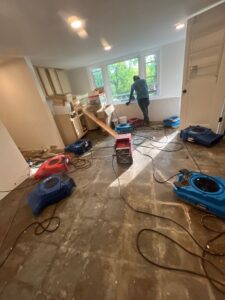
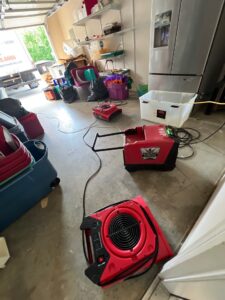
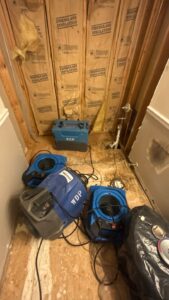
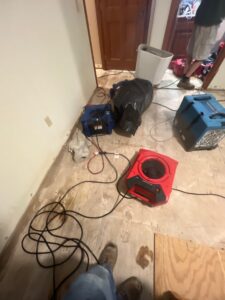
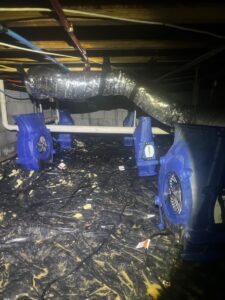
Professional water damage restoration uses industrial dehumidifiers, air movers positioned at specific angles, and moisture meters to track progress inside materials you cannot see. A household fan simply cannot replicate this process.
Opening windows can also backfire depending on outdoor humidity levels. In Tennessee, especially during humid summer months, bringing in outside air can actually add moisture to your home rather than remove it.
Ripping Out Wet Materials Before Documentation
The urge to tear out soggy carpet and waterlogged drywall is understandable. You want the mess gone. But removing materials before proper documentation can cost you significantly when filing an insurance claim.
Insurance adjusters need evidence of the damage. They want to see:
- The extent of water intrusion before cleanup began
- The source of the leak
- What materials were affected
- Timestamps showing when the damage occurred and was discovered
Take photos and videos of everything before you touch it. Document the water source if visible, measure the affected area, and save any materials you do remove for the adjuster to inspect.
Another problem with premature demolition is disturbing materials that may contain asbestos or lead paint. Homes built before 1980 commonly contain these hazardous materials, and improper removal creates serious health hazards and potential legal violations.
Using Your Regular Vacuum Cleaner on Water
Standard vacuum cleaners are not designed for liquids. Running a regular vacuum over wet carpet or flooring creates multiple problems.
First, you risk severe electric shock. The motor and electrical components inside the vacuum are not sealed against water intrusion. Second, you will likely destroy your vacuum. Third, you will not actually remove much water, since the suction and filtration systems cannot handle liquids.
Wet/dry shop vacuums rated for water extraction are different. However, even these have limitations. They work for small spills but cannot handle significant water damage. They also do not address the moisture absorbed into porous materials.
If you own a proper wet vacuum, use it carefully for surface water while waiting for professional equipment. Just understand this is a temporary measure, not a solution.
Waiting Too Long to Call for Professional Help
Many homeowners hesitate to contact restoration professionals because they want to assess the damage themselves first, wait until morning, or see if things improve on their own. This delay almost always increases both damage and cost.
Water spreads. It wicks up through drywall, soaks into carpet padding, and travels along floor joists into adjacent rooms. Every hour of delay means more material becomes saturated and potentially unsalvageable.
The mold timeline is particularly unforgiving. Spores begin colonizing damp materials within 24 to 48 hours. Once mold establishes itself, your restoration project now includes mold remediation, which adds complexity, time, and expense.
Restoration companies offer 24/7 emergency response for exactly this reason. A call at 2 AM to stop active water intrusion and begin emergency extraction prevents far more damage than waiting until business hours. Professionals serving areas from Franklin to Murfreesboro understand that a fast response directly affects restoration outcomes.
Moving Furniture Across Wet Carpet
Dragging furniture off wet carpet seems like a logical step. You want to protect your belongings and make room for cleanup. However, moving furniture improperly creates additional damage.
Wood furniture sitting in water can release stains and dyes into the carpet beneath it. Dragging these pieces spreads these stains across larger areas. Metal furniture legs often rust, leaving orange marks that become permanent.
The better approach is lifting furniture straight up and placing aluminum foil or plastic blocks under the legs. This protects both the furniture and the flooring while keeping items in place until proper extraction begins.
If you must remove furniture from the room entirely, have someone help you carry it rather than drag it. Place it in a dry area on plastic sheeting to protect the floors underneath.
Ignoring Hidden Water Damage Areas
The visible damage usually represents only part of the problem. Water follows gravity and the path of least resistance, meaning it often ends up far from the original leak location.
Common hidden damage areas include:
- Inside wall cavities below the visible water line
- Subfloors beneath carpet and padding
- Insulation in walls, attics, and crawl spaces
- Behind baseboards and trim
- Inside cabinetry kick spaces
- HVAC ductwork if water reached the system
Homeowners sometimes clean up visible water, replace the obviously damaged carpet, and consider the job done. Months later, musty odors, warped floors, or actual mold growth reveal the hidden damage they missed.
Professional moisture detection equipment can find water inside walls and under floors without destructive testing. This prevents both immediate hazards and long term structural problems.
Mixing Cleaning Chemicals Inappropriately
After a water leak, especially one involving contaminated water, homeowners often reach for cleaning products. The instinct to disinfect is reasonable. The problem comes when people mix products or use inappropriate chemicals.
Bleach and ammonia create toxic chloramine gas. Bleach and certain acids produce chlorine gas. Even mixing bleach with organic matter, which is common in category 2 and 3 water, can create dangerous reactions.
For initial cleanup of contaminated water, plain hot water with dish soap is safer than aggressive chemical disinfectants. Save the serious sanitization for professionals who understand both the chemistry and proper application methods.
Also, avoid spreading contaminated water around by mopping repeatedly with the same bucket. You are just redistributing contaminants rather than removing them.
Frequently Asked Questions
Is it safe to sleep in a house after a water leak?
It depends on the extent and source of the leak. Small leaks from clean water sources, once contained, are generally not an immediate health risk. However, if you notice musty odors, visible mold, or if the water source involves sewage or contamination, you should stay elsewhere until professionals assess the situation.
How long can water sit before causing permanent damage?
Damage begins immediately, but permanent consequences typically develop within 24 to 48 hours. Drywall and insulation become structurally compromised, mold begins growing, and wood materials start warping. The first 24 hours are critical for salvaging materials.
Should I turn off the water main after a leak?
Yes, shutting off the water main stops additional water from entering the system. Locate your main shutoff valve before emergencies happen. It is typically near the water meter or where the main line enters your home.
Can I remove baseboards and trim myself to help with drying?
Carefully removing baseboards can help airflow reach wall cavities, but photograph everything first and check for lead paint in older homes. Use proper tools to avoid damaging the trim you may want to reinstall later.
Will my homeowner’s insurance cover water damage?
Most policies cover sudden, accidental water damage from sources like burst pipes or appliance failures. They typically exclude gradual leaks, flood damage, and problems caused by a lack of maintenance. Review your specific policy language and document everything before cleanup begins.
How do I know if water damage has caused mold?
Visible fuzzy growth, musty odors, and unexplained allergy symptoms suggest mold presence. However, mold often grows inside walls and other hidden areas. Professional mold testing can identify problems you cannot see.
Taking the Right Steps Forward
Water leaks create stressful situations where fast decisions feel necessary. Understanding what to avoid protects you from compounding the damage, putting yourself at risk, or accidentally hurting your insurance claim.
Focus first on safety, specifically electrical hazards and contamination risks. Document everything before removing materials. Recognize that visible damage usually hides deeper problems. And accept that professional water damage restoration equipment and expertise handle these situations far more effectively than household tools and good intentions.
If you are dealing with a water leak now, stop what you are doing and call a restoration professional. The sooner extraction and drying begin, the more materials can be saved, and the lower your final costs will be. Do not wait until morning, do not try to handle it yourself, and do not assume a small leak means small consequences.