Water leaks cause more than just surface stains. The real question homeowners face after a leak is whether the drywall can dry out and stay intact or needs to come out entirely. The answer depends on several factors: how long the drywall stayed wet, the type of water involved, whether the paper backing has deteriorated, and if there are signs of mold growth. In most cases, drywall that has been saturated for more than 48 hours, exposed to contaminated water, or shows visible warping, crumbling, or mold should be removed. Drywall that caught only minor moisture and dried quickly within 24 hours may be salvageable with proper drying equipment.
Understanding when removal is necessary versus when drying is sufficient can save you money and prevent bigger problems down the road. Getting this wrong in either direction causes issues. Removing drywall that could have been saved wastes resources. Leaving damaged drywall in place leads to structural decay and mold colonies hidden inside your walls.
What Happens to Drywall When It Gets Wet
Drywall is essentially compressed gite, calcium sulfate, sandwiched between two layers of paper. Both components react poorly to water. The gite core absorbs moisture and begins to soften, while the paper facing becomes a food source for mold once wet.
When water first contacts drywall, it wicks upward and outward from the point of entry. A leak at the base of a wall can draw moisture two or three feet up through capillary action. This means the damaged area is often larger than the visible wet spot suggests.
The paper backing presents the bigger concern. Once saturated, it loses structural integrity and creates ideal conditions for mold spore germination. Mold can begin colonizing wet drywall within 24 to 48 hours under the right temperature and humidity conditions.
Signs That Clearly Indicate Drywall Removal Is Necessary
Certain damage patterns leave no room for debate. When you observe these conditions, the drywall needs to come out:
- Visible mold growth on the surface or edges of the drywall
- A musty odor coming from the wall cavity, even without visible mold
- Drywall that feels soft, spongy, or crumbles when pressed
- Sagging or bulging sections, particularly in ceilings
- Staining that appears brown, yellow, or has ring patterns indicating repeated wetting
- Paint or texture that bubbles, peels, or separates from the surface
- Warping that causes the drywall to bow away from studs
Any single one of these signs suggests the drywall has sustained enough damage to compromise its function. Multiple signs together make removal even more certain.
The Water Category Matters More Than You Think
Restoration professionals categorize water damage into three types, and this classification directly affects whether drywall can stay.
Category 1 water comes from clean sources like supply lines, faucets, or appliance feeds. This water does not pose immediate health risks. Drywall exposed to Category 1 water for less than 48 hours often dries successfully if professional equipment is used.
Category 2 water, sometimes called gray water, contains contaminants that could cause illness. Sources include washing machine overflow, dishwasher discharge, or toilet overflow with urine only. Drywall exposed to Category 2 water generally needs removal, especially if porous materials absorbed the contaminated liquid.
Category 3 water is grossly contaminated and poses serious health risks. Sewage backups, flooding from rivers or streams, and standing water that has begun to support bacterial growth fall into this category. Any drywall contacted by Category 3 water must be removed without exception.
How Long the Drywall Stayed Wet Changes Everything
Time is the critical factor in determining salvageability. A homeowner in Nashville who discovers a supply line leak within hours faces a completely different situation than someone in Clarksville who returns from vacation to find a week-old leak.
The 48-hour window represents the general threshold where decisions shift from possible drying to probable removal. Within the first 24 hours, clean water exposure to drywall has the highest chance of successful drying. Between 24 and 48 hours, the outcome becomes less certain and depends heavily on drying conditions. Beyond 48 hours, the risk of mold colonization and structural degradation increases substantially.
Temperature and humidity during the exposure period also influence outcomes. Summer conditions accelerate mold growth. A leak in an air-conditioned home during July might develop mold faster than the same leak in a well-ventilated space during cooler months.
Testing Methods to Assess Drywall Condition
Visual inspection only tells part of the story. Moisture can hide inside wall cavities long after surfaces appear dry. Professional assessment uses specific tools to measure what eyes cannot see.
Moisture Meters and What They Reveal
Pin-type moisture meters insert small probes into the drywall surface to measure moisture content at different depths. Readings above 1 percent in drywall indicate elevated moisture that requires attention. Readings above 2 percent typically mean the material has not dried adequately.
Non-invasive meters use electromagnetic signals to detect moisture without penetrating the surface. These help identify wet areas behind paint or texture without creating test holes throughout the wall.
Thermal Imaging Applications
Infrared cameras detect temperature differences on surfaces. Wet materials appear cooler than dry materials due to evaporative cooling. This technology helps map the full extent of water migration, often revealing damage that extends well beyond visible staining.
A restoration technician scanning walls after a leak might discover moisture wicking two feet beyond the obvious damage zone. This information determines how much drywall actually needs removal rather than just addressing the visibly affected area.
The Flood Cut Technique and When It Applies
Complete drywall removal is not always necessary. In many water damage situations, a flood cut provides a practical middle ground. This technique involves cutting the drywall at a specific height, typically 12 to 24 inches above the highest point of moisture intrusion, and removing only the damaged lower section.
Flood cuts work best when:
- Water damage is limited to the lower portion of walls
- The upper drywall remains dry and structurally sound
- The wall cavity needs to dry but the entire sheet does not require replacement
- Clean water was involved and exposure time was limited
This approach allows air circulation into the wall cavity for thorough drying while preserving the undamaged portion of the wall. After the cavity dries completely and passes moisture testing, a new section of drywall gets installed to close the opening.
Flood cuts save material costs and reduce repair time compared to full removal. However, the cut must be made high enough to remove all compromised material, and the remaining drywall must test dry before closure.
Why Drying Drywall In Place Sometimes Fails
Homeowners sometimes attempt to dry wet drywall using household fans or dehumidifiers. While this approach occasionally works for minor moisture exposure, it often fails to prevent long-term problems.
Standard household equipment cannot move enough air or extract enough moisture to dry wall cavities effectively. The insulation behind wet drywall holds moisture far longer than the drywall itself. Blowing air across the drywall surface does little to address moisture trapped in fiberglass batts or blown cellulose.
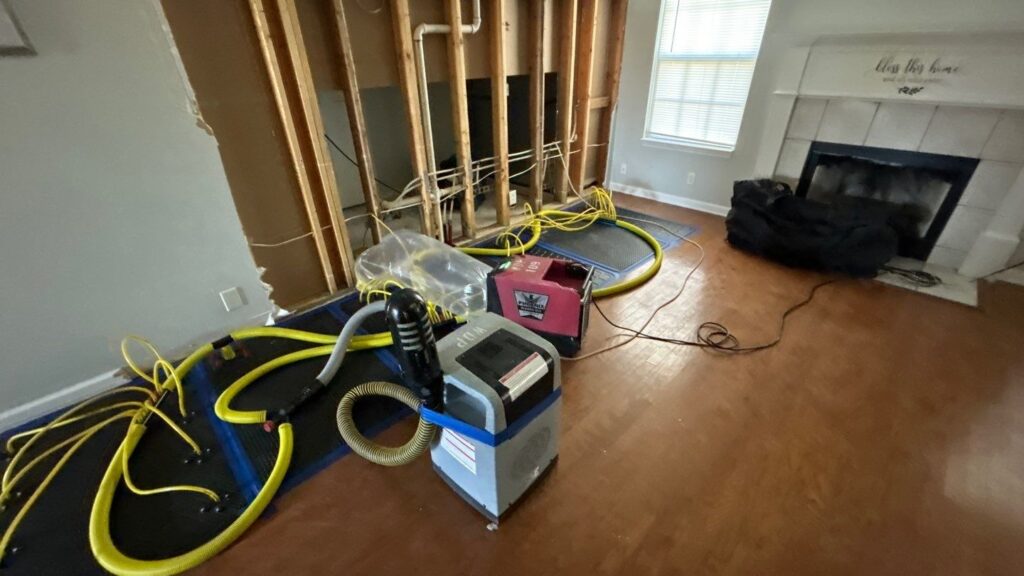
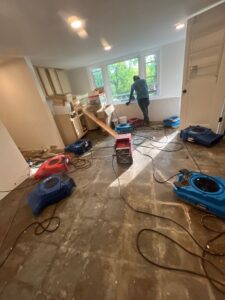
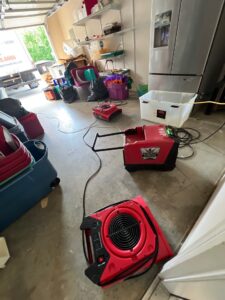
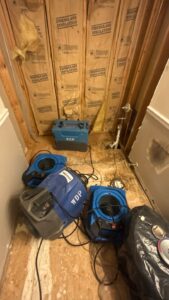
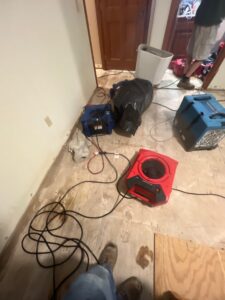
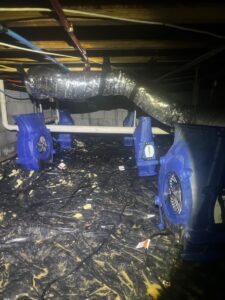
Professional drying setups use commercial dehumidifiers that can extract dozens of gallons daily, air movers positioned to create specific airflow patterns, and sometimes direct wall cavity drying systems that inject dry air into the void space. This equipment typically needs to run for several days, with daily monitoring and adjustments.
Attempting DIY drying after significant water damage often results in calling a professional later anyway, except now mold has established itself and more material needs removal.
Hidden Damage Behind Seemingly Dry Drywall
The most problematic situations involve damage you cannot see. Slow leaks from pipes inside walls, roof penetrations that allow intermittent water entry, and condensation problems can all saturate wall cavities while the drywall surface shows minimal signs.
Warning signs of hidden moisture problems include:
- Persistent musty smells without visible mold
- New or worsening allergy symptoms among household members
- Baseboards or trim that show water damage at the bottom edge
- Slight discoloration that appears and disappears with humidity changes
- Paint that feels tacky or does not cure properly after repairs
When hidden damage is suspected, a small inspection opening cut into the drywall can reveal conditions inside the wall cavity. This exploratory cut provides access for visual inspection, moisture readings on framing members, and assessment of insulation condition.
When Mold Is Already Present
Discovering mold on or behind drywall changes the situation entirely. Mold on porous materials like drywall cannot be effectively cleaned. The root structures penetrate the material, and surface cleaning only removes what is visible.
Proper mold remediation requires removing affected drywall with containment protocols to prevent spore dispersal throughout the home. This means plastic sheeting to isolate the work area, negative air pressure to control airflow, and proper disposal of contaminated materials.
Small mold patches under 10 square feet might be addressed by homeowners with proper precautions. Larger affected areas, any mold associated with sewage contamination, or situations where occupants have health conditions affected by mold exposure warrant professional remediation.
Making the Repair Decision After Assessment
Once you have gathered information about the water source, exposure duration, current moisture levels, and visible damage, the decision framework becomes clearer.
Drywall can likely stay in place when:
- Clean water was involved and discovered within 24 hours
- No visible mold, sagging, or structural changes are present
- Moisture readings return to normal within 72 hours using professional drying
- The wall cavity and insulation also dry successfully
Drywall should be removed when:
- Any contaminated water was involved
- The material remained wet longer than 48 hours
- Visible mold, softening, warping, or crumbling exists
- Moisture readings remain elevated despite drying efforts
- Musty odors persist after apparent drying
Gray areas exist between these scenarios. When uncertainty remains, professional assessment provides clarity. Technicians who work with water damage daily recognize subtle indicators that homeowners might miss.
Frequently Asked Questions
Can I just paint over water-stained drywall?
Painting over stains without addressing underlying moisture causes problems. If the drywall is fully dry, structurally sound, and shows no mold, a stain-blocking primer followed by paint can work. However, if the stain recurs or the drywall feels soft, painting masks a problem that will worsen.
How far above the water line should drywall be cut?
Standard practice calls for cutting 12 to 24 inches above the highest visible moisture point. This accounts for wicking action that draws water higher than the obvious damage shows. Moisture meter readings should confirm the cut height captures all affected material.
Does insurance cover drywall replacement after a leak?
Coverage depends on your specific policy and the cause of the leak. Sudden and accidental leaks from plumbing failures often qualify for coverage. Long-term leaks from deferred maintenance or gradual deterioration frequently do not. Review your policy language and document all damage thoroughly before making repairs.
Can wet drywall dry out on its own?
Minor moisture exposure might dry naturally under favorable conditions. However, drywall that has absorbed significant water rarely dries adequately without professional equipment. The wall cavity traps humidity, and insulation holds moisture that slowly releases back into the drywall.
How long does it take for mold to grow on wet drywall?
Mold spores can begin colonizing damp drywall within 24 to 48 hours under favorable conditions. Warm temperatures, high humidity, and organic material like drywall paper accelerate growth. Visible mold colonies typically appear within 1 to 2 weeks of sustained moisture exposure.
Should I remove drywall myself or hire a professional?
Simple drywall removal for minor clean water damage can be a DIY project. Situations involving mold, contaminated water, large affected areas, or uncertainty about the extent of damage benefit from professional involvement. Improper removal can spread mold spores or miss hidden damage that causes future problems.
Taking the Right Next Step
Evaluating drywall after a leak requires honest assessment of what you can see, measure, and smell. When the damage is clearly minor and you caught the leak quickly, drying efforts may succeed. When any doubt exists about water category, exposure time, or hidden damage, professional evaluation prevents costly mistakes.
If you are dealing with water damage and need help determining what stays and what goes, contact a restoration professional for assessment. Getting an accurate picture of the damage now costs far less than discovering hidden mold or structural problems months later.