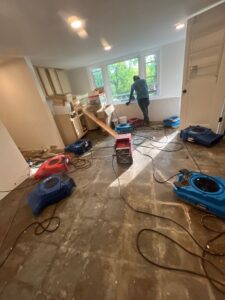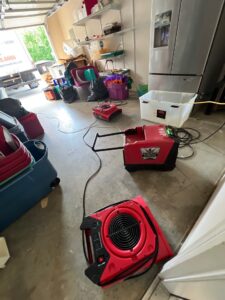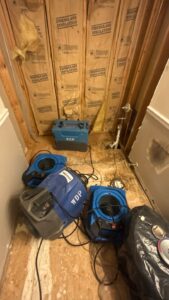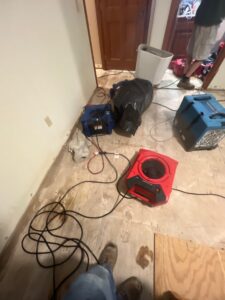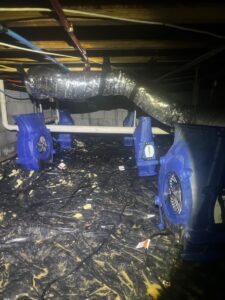
If storm water has entered your home in Nashville, your priority is stopping the water at its source if possible, then removing standing water as quickly as you can. Every hour that water sits inside your home increases the damage to flooring, drywall, and structural materials. After a storm, most homeowners have a window of about 24 to 48 hours before moisture starts causing secondary problems like warping, swelling, and microbial growth.
Storms in Middle Tennessee can overwhelm even well-maintained homes. Heavy rain, flash flooding, and wind-driven water find their way through vulnerable points you might not have noticed before. What matters now is taking the right steps in the right order to protect your property and your family.
Why Storm Water Damage Requires Immediate Action
Stormwater is not the same as a clean pipe leak. When rain forces its way into your home, it often carries contaminants from outside, including soil, debris, lawn chemicals, and sometimes sewage if municipal systems become overwhelmed. This means the water sitting in your living room or basement may pose health risks beyond simple property damage.
The clock starts ticking the moment water crosses your threshold. Here is what happens over time:
- Within the first hour, water begins wicking up into the drywall and saturating the carpet padding
- Within 24 hours, wood flooring starts to swell, and furniture legs begin transferring stains
- Between 48 and 72 hours, microbial growth can begin in warm, humid conditions
- After one week, structural materials may require replacement rather than drying
Understanding this timeline helps you prioritize your response. You do not need to panic, but you do need to act with purpose.
First Steps When You Discover Water Inside Your Home
Before you start moving furniture or grabbing towels, take a moment to assess the situation safely. Storm damage can create hazards that are not immediately obvious.
Check for electrical dangers. If water levels are above electrical outlets, or if your electrical panel is in a flooded area, do not enter the space. Call your utility company or an electrician first. Standing water and electricity are a deadly combination.
Turn off the power if you can do so safely. If your breaker panel is accessible and dry, switch off circuits to affected areas. This protects you while you work and prevents damage to appliances and electronics.
Document everything before you clean. Your insurance company will need evidence of the damage. Use your phone to take photos and videos of water levels, damaged items, and the apparent source of entry. Include wide shots of each room and close-ups of specific damage.
Stop the water source if possible. Sometimes storm intrusion continues after the rain stops. Check windows, doors, and any visible gaps. Temporary measures like towels or plastic sheeting can slow ongoing water entry while you address the main problem.
How to Remove Standing Water Safely
Getting water out of your home quickly is essential, but the method matters. Rushing this step can actually cause additional damage or create safety problems.
For shallow water, wet-dry vacuums work well. Most hardware stores sell or rent these units. Standard household vacuums should never be used for water removal because they are not designed for it and can become electrical hazards.
For deeper flooding, submersible pumps are more effective. If you have several inches of water or more, a pump can remove hundreds of gallons per hour. Many homeowners in flood-prone areas of Nashville and surrounding communities like Franklin and Mount Juliet keep a sump pump on hand specifically for storm season.
Consider these practical points when removing water:
- Start in the lowest point of the affected area and work outward
- Remove saturated rugs and carpet padding, these hold enormous amounts of water
- Extract water from upholstered furniture early if you hope to salvage it
- Keep extracting even after visible water is gone, because materials remain saturated
If the flooding is extensive or involves contaminated water, calling a water damage restoration professional is the safer choice. They have commercial-grade extraction equipment that removes water far more thoroughly than consumer tools.
Drying Your Home Properly After Storm Intrusion
Removing standing water is only half the battle. The moisture absorbed by building materials, furniture, and belongings must be addressed or you will face long-term problems.
Airflow is critical. Open windows if the weather permits and the outdoor humidity is lower than indoor levels. Set up fans to create cross-ventilation. Box fans and floor fans positioned to move air across wet surfaces help significantly.
Dehumidifiers pull moisture from the air and from materials. Running one or more dehumidifiers continuously in affected areas accelerates drying. Keep doors to the affected space closed so the dehumidifier can work efficiently.
Check hidden spaces that trap moisture:
- Inside wall cavities behind baseboards
- Under vinyl or laminate flooring
- Inside cabinet toe kicks and under appliances
- Behind furniture that was pushed against the walls
- Inside closets and storage areas
Professional restoration companies use moisture meters to measure the water content inside materials. This is not something you can judge by touch or sight alone. Materials can feel dry on the surface while remaining saturated deeper inside, which leads to problems weeks or months later.
What Materials Can Be Saved and What Needs Replacement
One of the most common questions homeowners ask after stormwater damage is whether their flooring, walls, and belongings can be salvaged. The answer depends on several factors, including the type of water, how long the materials were wet, and the construction of the items.
Carpet and padding: Carpet can sometimes be cleaned and dried if the water was relatively clean and exposure was brief. However, carpet padding almost always needs replacement because it absorbs and holds water like a sponge. Padding that stays wet becomes a breeding ground for mold and bacteria.
Hardwood floors: Solid hardwood can often be dried in place if caught early enough. Cupping and warping may reverse as moisture levels stabilize. Engineered hardwood is more problematic because the layers can separate permanently.
Drywall: Standard drywall acts like a wick, pulling water upward from the floor. The general rule is that drywall wet more than about two feet up should be cut out and replaced. Drywall can be dried in place for shorter exposures, but it requires proper monitoring.
Insulation: Fiberglass batts in walls can dry out but lose much of their insulating value. Blown-in insulation in flooded areas typically needs replacement. Spray foam insulation handles water better than fibrous types.
Personal belongings: Electronics that got wet should not be turned on until inspected. Documents and photos may be salvageable through freeze-drying services. Upholstered furniture is difficult to dry properly and often develops odors.
When Mold Becomes a Concern After Water Damage
The relationship between water damage and mold growth is direct. Mold spores exist everywhere, but they only become a problem when they find moisture and organic material to feed on. Your wet walls, floors, and furnishings provide exactly that.
The 48-to-72-hour window is important. If you can get materials dried below the threshold for mold growth within that time frame, you can usually prevent significant contamination. Miss that window, and you may be dealing with a separate mold remediation project on top of your water damage repairs.
Signs that mold may be developing include:
- Musty odors that appear a few days after water exposure
- Visible discoloration on walls, ceilings, or flooring
- Residents experiencing increased allergy symptoms or respiratory irritation
- Soft or spongy spots in drywall or wood
If you suspect mold is present, avoid disturbing it. Mold releases spores when agitated, which can spread contamination to other areas of your home. A professional assessment is worthwhile at this point.
Working With Insurance After Storm Water Damage
Filing an insurance claim for storm damage can feel overwhelming, especially when you are simultaneously dealing with the physical aftermath. Understanding the process helps you get appropriate coverage for your loss.
Contact your insurance company as soon as possible to report the damage. Most policies require prompt notification. Ask specifically about your coverage for storm-related water damage, because flood damage and storm damage are often treated differently depending on policy language.
Your documentation from the first hours after the storm becomes important here. Insurers want to see the extent of damage before cleanup begins. They also want evidence that you took reasonable steps to prevent additional damage, which is typically a policy requirement.
Keep records of everything:
- Receipts for equipment rentals, cleaning supplies, and emergency repairs
- Names and contact information for any contractors or restoration companies
- A written log of actions you took and when
- An inventory of damaged personal property with estimated values
If your insurer sends an adjuster, be present for the inspection. Walk them through the damage and point out areas they might not notice, such as water intrusion behind walls or under flooring.
When to Call a Water Damage Restoration Professional
Not every water intrusion requires professional intervention, but storm damage often does. The scope of the problem, the type of water involved, and your ability to dry materials quickly all factor into this decision.
Consider calling a restoration company if:
- Water affected multiple rooms or levels of your home
- Standing water was more than a few inches deep
- Water may have been contaminated with sewage or outdoor pollutants
- You cannot get materials dried within 48 hours using the available equipment
- Water entered wall cavities, subfloors, or other concealed spaces
- You must notice musty odors developing
Professional restoration companies serving the Nashville area, including communities like Brentwood, Murfreesboro, and as far as Clarksville, have equipment that homeowners typically cannot access. Commercial dehumidifiers, air movers, and moisture detection tools make a significant difference in outcomes.
A qualified technician can also help you make informed decisions about what to save versus what to replace. This often saves money in the long run by avoiding repairs that fail because materials were not properly dried.
Preventing Future Stormwater Intrusion
Once you have dealt with the immediate crisis, take time to evaluate why water entered your home and what you can do to prevent it next time.
Common entry points for storm water include:
- Gaps around windows and doors, especially in older units
- Cracks in foundation walls or floors
- Failed or missing caulking around exterior penetrations
- Clogged gutters that cause water to overflow against the house
- Improper grading that directs water toward the foundation
- Basement window wells without proper drainage
Addressing these vulnerabilities before the next storm season can save you from repeating this experience. Some improvements are simple DIY projects. Others may require professional contractors.
Frequently Asked Questions
How long does it take for a home to dry out after storm flooding?
Complete drying typically takes three to five days with proper equipment and techniques. Without adequate air movement and dehumidification, the process can take weeks, which significantly increases the risk of secondary damage.
Is stormwater damage covered by homeowners’ insurance?
Coverage depends on your specific policy and how the water entered your home. Water damage from wind-driven rain through a damaged roof is usually covered. Rising floodwaters require separate flood insurance. Review your policy or contact your agent to understand your coverage.
Can I stay in my home while it dries out?
In many cases, yes. However, if water was contaminated, if electrical systems were affected, or if the damage is extensive, temporary relocation may be safer and healthier. This decision depends on the specific circumstances.
Should I throw away everything that got wet?
Not necessarily. Many items can be cleaned, dried, and saved if addressed quickly. However, porous items that absorbed contaminated water, such as mattresses and heavily soaked upholstered furniture, may need disposal for health reasons.
How can I tell if there is hidden water damage I cannot see?
Signs include musty odors, bubbling or peeling paint, warped baseboards, and soft spots in flooring or walls. Professional moisture meters can detect elevated moisture levels inside materials that appear dry on the surface.
What is the difference between water damage restoration and water damage repair?
Restoration focuses on drying, cleaning, and salvaging materials. Repair involves replacing damaged components like drywall, flooring, and trim. Proper restoration often reduces the amount of repair work needed.
Taking the Next Step
Stormwater damage is stressful, but taking prompt and appropriate action gives you the best chance of minimizing long-term consequences. Document the damage, remove water quickly, dry materials thoroughly, and monitor for signs of ongoing problems.
If the scope of damage exceeds what you can handle with household tools, or if you are uncertain about whether materials have dried properly, reaching out to a water damage restoration professional is a practical decision. Quick action now protects both your home and your health in the months ahead.