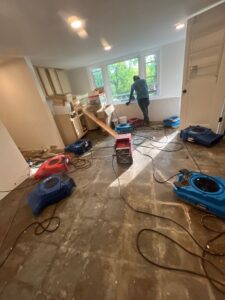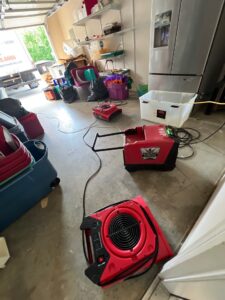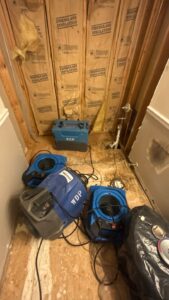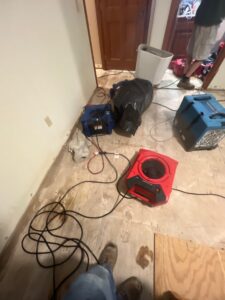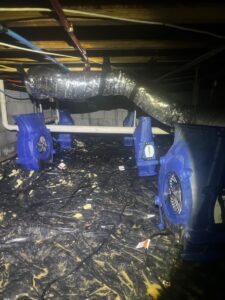
Water damage under kitchen cabinets in Clarksville homes requires immediate action to prevent structural problems and mold growth. The process involves removing the toe kick panels to expose the hidden space, extracting standing water, thoroughly drying the subfloor and cabinet base, and then assessing whether the materials can be saved or need replacement. Most homeowners discover this damage too late because the water hides in spaces they never see during daily use.
Kitchen cabinets sit directly on the subfloor with a small gap covered by the toe kick panel. When water finds its way into this space from a dishwasher leak, supply line failure, or sink drain problem, it pools underneath without any visible signs until the damage becomes severe. By the time you notice warped cabinet doors or a musty smell, the water has often been sitting there for days or even weeks.
Why Cabinet Water Damage Hides So Well in Clarksville Homes
The construction of standard kitchen cabinets creates a perfect hiding spot for water. Base cabinets are typically made from particleboard or MDF, materials that absorb moisture quickly but show damage slowly. The toe kick, that recessed panel at the bottom of your cabinets, blocks your view of the floor space beneath.
Clarksville kitchens often face specific challenges. Older homes near downtown may have original plumbing that has degraded over decades. Newer construction in subdivisions sometimes has supply lines installed with plastic fittings that can fail unexpectedly. The humid Tennessee climate means any trapped moisture creates ideal conditions for secondary damage.
Common sources of under-cabinet water damage include:
- Slow leaks from garbage disposal connections
- Failed supply lines to dishwashers
- Cracked drain lines under sinks
- Ice maker supply line failures
- Condensation from improperly insulated pipes
- Overflow from clogged sink drains
Many Clarksville homeowners first notice a problem when they feel soft spots in the flooring near the cabinets or see baseboards pulling away from the wall. By this point, the water has usually spread beyond the initial leak location.
Immediate Steps When You Discover Water Under Cabinets
The first few hours after discovering water damage determine whether you face a manageable repair or a major restoration project. Acting quickly reduces costs and prevents complications.
Start by shutting off the water source. If you cannot identify the exact leak, turn off the main water supply to your home. This prevents additional water from entering the affected area while you assess the situation.
Remove everything from inside the affected cabinets. This includes dishes, cleaning supplies, and any items stored in the base cabinets. These items may have absorbed moisture and can contribute to mold growth if left in place.
Pop off the toe kick panels. Most toe kicks attach with clips or small screws and can be removed without tools. Some snap into place and pull straight out. Removing these panels exposes the hidden space where water collects and allows airflow to begin the drying process.
Extract standing water using towels, a wet vacuum, or a mop. The goal is to remove as much liquid water as possible before it penetrates deeper into the subfloor. Even a small amount of standing water continues to cause damage every minute it sits.
How Professionals Assess the Full Extent of Damage
Surface appearances rarely tell the complete story with under-cabinet water damage. What looks like a small wet spot often extends several feet in multiple directions. Professional restoration technicians use moisture meters and thermal imaging to map the actual affected area.
Moisture meters measure the water content inside materials without requiring destructive testing. A technician can check your subfloor, cabinet bases, and adjacent walls to determine exactly how far the water traveled. This information guides the drying plan and helps predict which materials might need replacement.
Thermal imaging cameras detect temperature differences that indicate moisture presence. Wet materials appear cooler than dry materials, creating a visual map of water migration patterns. This technology often reveals damage extending into adjacent rooms or behind walls that appeared dry during visual inspection.
The assessment process typically reveals one of three scenarios:
- Category one, where only surface materials are wet and can dry in place with proper equipment
- Category two, where water has penetrated the subfloor but has not caused structural damage
- Category three, where water has caused swelling, delamination, or structural compromise requiring material removal
Homeowners throughout the Nashville area often underestimate initial damage because they only see what is visible. A professional assessment prevents the mistake of leaving wet materials in place that will cause problems weeks or months later.
The Drying Process for Under-Cabinet Spaces
Drying the space beneath kitchen cabinets requires directing airflow into areas that normally have no ventilation. Simply running fans in the kitchen will not adequately dry these enclosed spaces.
Professional-grade drying involves placing air movers at specific angles to push dry air under the cabinets. Dehumidifiers pull moisture from the air, creating conditions where wet materials release their absorbed water. The combination of air movement and dehumidification accelerates drying that would otherwise take weeks.
Proper drying typically takes three to five days for moderate damage. Severe cases where water has saturated the subfloor may require longer treatment or material removal. Technicians monitor moisture levels daily to track progress and adjust equipment placement as conditions change.
During the drying period, you can expect:
- Equipment running continuously, often loud enough to require temporary adjustments to your routine
- Increased electricity usage from commercial dehumidifiers and air movers
- Daily or every other day monitoring visits to check progress
- Gradual improvement in moisture readings until materials reach the dry standard
Skipping this process or ending it early creates conditions where mold can develop inside wall cavities and under flooring. The expense of proper drying is far less than dealing with mold remediation months later.
When Cabinets Can Be Saved and When They Cannot
The cabinet material and exposure duration determine whether your existing cabinets can survive water damage. Solid wood cabinets tolerate brief water exposure reasonably well if dried promptly. Particleboard and MDF cabinets are far less forgiving.
Signs that cabinets need replacement include:
- Visible swelling or warping of the cabinet base or sides
- Delamination, where layers of material are separating
- Soft spots that give under pressure
- Persistent musty odor even after thorough drying
- Visible mold growth on cabinet surfaces
Cabinets that have been wet for more than 48 hours almost always require replacement regardless of material type. The internal structure absorbs water that cannot be extracted through drying alone. These materials continue to release moisture over time, creating ongoing problems with humidity and potential mold.
Sometimes, only the toe kick area and lower portions need replacement while the upper cabinet boxes remain salvageable. A restoration professional can help you determine the most cost-effective approach based on actual damage extent and your cabinet construction.
Subfloor Considerations
The subfloor beneath your cabinets often sustains more damage than the cabinets themselves. Plywood subfloors can usually be dried successfully if treated within the first few days. OSB and particleboard subfloors absorb water quickly and may require section replacement.
Springfield and Goodlettsville homes built in certain eras commonly have OSB subfloors that do not tolerate water exposure well. If your subfloor has swelled or feels spongy, replacement of the affected sections is typically necessary before installing new cabinets or flooring.
Addressing Mold Concerns in Wet Cabinet Spaces
Mold can begin developing within 24 to 48 hours of water exposure in humid conditions. The enclosed space beneath cabinets creates exactly the environment where mold thrives, with darkness, moisture, and organic materials like wood and particleboard providing food sources.
If you discover water damage that has been present for several days, mold growth is a real possibility. Visible mold appears as discoloration, often black, green, or white fuzzy patches on surfaces. However, mold also grows in hidden locations where you cannot see it without removing materials.
Disturbing mold improperly can spread spores throughout your home. If you suspect mold presence, avoid scrubbing affected surfaces or using fans that might spread contamination. A professional assessment can determine whether mold remediation is necessary before restoration work proceeds.
Prevention is always easier than remediation. Quick response to water damage, proper drying, and verification that moisture levels have returned to normal all reduce mold risk significantly.
Insurance Considerations for Clarksville Kitchen Water Damage
Homeowner’s insurance policies vary considerably in how they cover water damage under cabinets. Most policies cover sudden and accidental water damage from events like a burst supply line. Gradual damage from slow leaks often receives limited coverage or no coverage.
Documentation matters significantly when filing a claim. Take photographs and video of the damage before beginning any cleanup. Save any failed parts or damaged materials until your insurance company has completed its assessment.
Many policies cover the cost of professional water extraction and drying, but may limit coverage on cosmetic repairs or upgrades. Your policy language determines what qualifies for reimbursement, so reviewing your coverage before a claim helps set realistic expectations.
Working with a restoration company experienced in insurance claims can simplify the process. They understand documentation requirements and can communicate directly with adjusters about necessary work.
Preventing Future Under-Cabinet Water Damage
After dealing with water damage once, most homeowners want to prevent repeat incidents. Several practical steps reduce your risk of future under-cabinet water problems.
Install water leak sensors under your sink and near your dishwasher. These inexpensive devices alert you to water presence before significant damage occurs. Some smart home versions can even shut off the water supply automatically.
Replace supply lines proactively. Dishwasher and ice maker supply lines, especially those with plastic fittings, have limited lifespans. Replacing them every five to seven years costs far less than repairing water damage.
Check under your sink monthly. A quick visual inspection takes thirty seconds and can catch slow leaks before they cause major problems. Look for any moisture, discoloration, or mineral deposits that indicate water presence.
Consider removing toe kick panels occasionally to inspect the hidden space beneath your cabinets. This area is invisible during normal daily use, but collecting dust or debris there can hide early warning signs of moisture problems.
Frequently Asked Questions
How long does it take to dry water damage under kitchen cabinets?
Professional drying typically takes three to five days for moderate damage. Severe cases with saturated subfloors may require a week or longer. The timeline depends on how much water entered the space and how quickly drying equipment was deployed.
Can I dry under my cabinets myself without professional equipment?
Household fans and dehumidifiers can help with very minor moisture, but they rarely provide adequate drying for actual water damage. The enclosed space requires directed airflow and commercial-grade dehumidification to dry properly within a timeframe that prevents mold growth.
How do I know if my cabinets need replacement after water damage?
Check for swelling, warping, soft spots, delamination, or persistent odor. Particleboard and MDF cabinets exposed to water for more than 48 hours usually need replacement. Solid wood cabinets may survive if dried promptly. A moisture meter reading can confirm whether internal moisture remains.
Will my insurance cover water damage under the kitchen cabinets?
Most policies cover sudden and accidental water damage, like a burst pipe. Gradual damage from slow leaks often has limited coverage. Review your specific policy language and document all damage thoroughly before beginning cleanup.
How can I tell if there is mold under my cabinets after water damage?
Visible mold appears as discoloration or fuzzy growth. A musty odor that persists after drying also indicates possible mold. However, mold often grows in hidden spaces. If damage was present for more than a few days, professional inspection may be warranted.
What causes the most under-cabinet water damage in kitchens?
Dishwasher supply line failures and sink drain leaks cause the majority of under-cabinet water damage. Ice maker supply lines, garbage disposal connections, and condensation issues are also common sources.
Taking Action on Kitchen Water Damage
Water damage beneath your Clarksville kitchen cabinets requires prompt attention to prevent escalating costs and complications. The hidden nature of this damage means early detection rarely happens, making quick response even more important once you discover a problem.
Whether you handle initial water extraction yourself or call for professional help immediately, the key is starting the drying process as fast as possible. Every hour that water sits beneath your cabinets increases the likelihood of structural damage and mold development.
If you have discovered water under your kitchen cabinets and need professional assessment or restoration services, contact a local water damage restoration specialist today. Prompt evaluation can determine the full extent of damage and begin the restoration process before secondary problems develop.