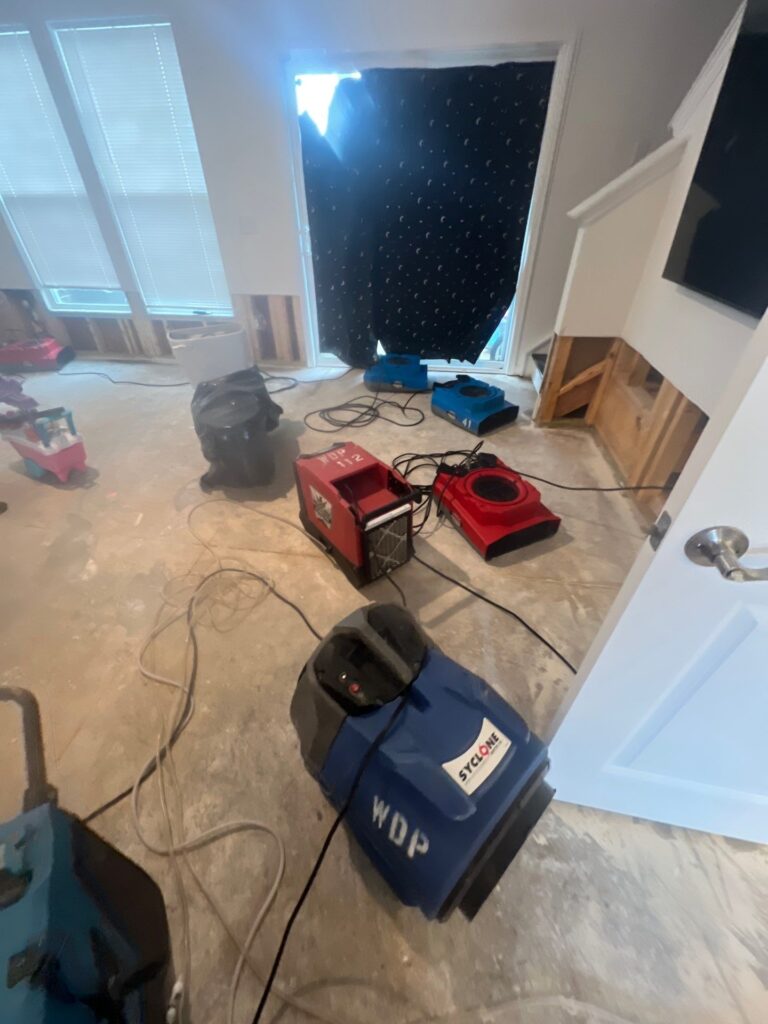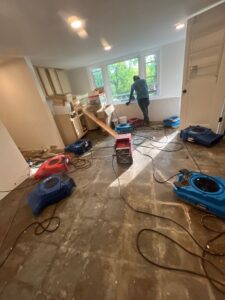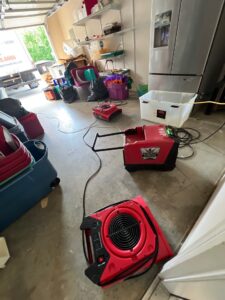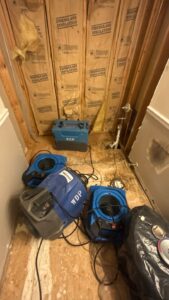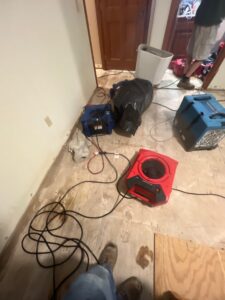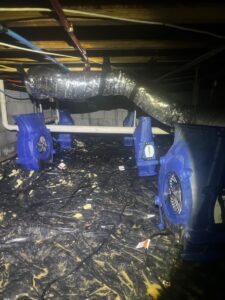
Yes, you can often save hardwood floors after water damage in Clarksville, but the outcome depends on how quickly you respond and how severe the water intrusion was. Hardwood floors that receive professional drying within the first 24 to 48 hours have the best chance of being saved. Floors left sitting in standing water for days or exposed to contaminated water sources face much longer odds. The honest answer is that some floors can be fully restored, some can be partially saved, and others need complete replacement. Understanding which category your floor falls into requires a proper assessment of the damage.
What Happens to Hardwood Floors When Water Gets Under Them
Wood is hygroscopic, meaning it naturally absorbs and releases moisture from its environment. When excess water reaches your hardwood floors, the wood fibers begin to absorb it rapidly. This triggers a chain reaction that causes visible damage within hours.
The first thing you typically notice is cupping. Individual boards start curling upward at the edges while the center remains lower, creating a wavy appearance across the floor. This happens because the bottom of the board absorbs moisture faster than the top, causing uneven expansion.
If water exposure continues, you may see:
- Crowning, where board centers push higher than edges after moisture starts releasing unevenly
- Buckling, where boards pull away from the subfloor entirely and tent upward
- Warping and permanent distortion of individual planks
- Discoloration and staining, especially with darker water sources
- Finish damage, including white spots, cloudiness, or peeling
The subfloor underneath also matters significantly. Plywood subfloors can handle some moisture exposure, but particleboard or OSB subfloors deteriorate much faster and may compromise the entire floor system.
How Time Affects Your Chances of Saving the Floor
The clock starts the moment water contacts your hardwood. Every hour that passes reduces your odds of a successful restoration.
Within the first 24 hours, most hardwood floors can be saved with proper drying techniques. The wood has absorbed moisture but hasn’t reached the point of permanent cellular damage. Cupping may appear, but it often reverses as the floor dries evenly.
Between 24 and 72 hours, the situation becomes more complicated. Wood fibers have swelled significantly, and the subfloor has likely absorbed moisture too. Restoration is still possible in many cases, but you may end up with some boards that need individual replacement.
After 72 hours, especially in humid Clarksville summers, mold growth becomes a serious concern. Once mold establishes itself beneath the flooring, the restoration equation changes dramatically. The structural integrity of both hardwood and subfloor may be compromised beyond reasonable repair.
Homeowners in Springfield and Goodlettsville deal with similar timelines. The Middle Tennessee climate, with its humidity and temperature swings, can accelerate some damage patterns while slowing others, depending on the season.
What Type of Water Determines Your Options
Not all water damage is equal. The source of the water plays a major role in whether restoration makes sense.
Clean water from a broken supply line or an appliance malfunction gives you the best restoration odds. This water contains no significant contaminants, so once the floor dries properly, it should be safe to use.
Gray water from washing machines, dishwashers, or clean toilet overflow presents a moderate risk. This water may contain soap residue, food particles, or other mild contaminants. Floors can often be saved, but more aggressive cleaning and sanitizing become necessary.
Black water from sewage backups, river flooding, or water that has been sitting stagnant for extended periods typically means replacement. The contamination level makes proper sanitization of porous wood materials extremely difficult. Even if the wood dries successfully, health concerns usually outweigh the cost savings of keeping the existing floor.
The Professional Drying Process for Hardwood Floors
Proper hardwood floor drying requires specialized equipment and careful monitoring. Simply running fans and opening windows rarely produces good results with significant water intrusion.
The first step involves extracting standing water using weighted extraction tools designed for hardwood surfaces. Regular carpet extractors can damage wood finishes, so the right equipment matters.
Next comes establishing proper airflow and dehumidification. Commercial desiccant or refrigerant dehumidifiers pull moisture from the air while air movers create circulation patterns that encourage evaporation from the wood surface. In some cases, technicians drill small holes in the floor to introduce airflow beneath the boards, helping dry the subfloor simultaneously.
Moisture monitoring happens throughout the process using both pin-style and pinless moisture meters. These readings tell the technician whether the wood is drying evenly and when safe moisture levels have been reached. Rushing this process leads to problems. Stopping too early leaves moisture trapped in the subfloor. Drying too aggressively can cause the wood to crack or split.
A typical hardwood floor takes anywhere from 3 to 7 days to dry properly, though heavily saturated floors or those with compromised subfloors may take longer. The Nashville area sees plenty of cases where homeowners thought their floor was dry based on surface appearance, only to discover weeks later that moisture remained trapped underneath.
Signs Your Hardwood Floor Cannot Be Saved
Some damage indicators point toward replacement rather than restoration. Recognizing these signs early can save you money on attempted repairs that were never going to work.
Severe buckling, where boards have completely detached from the subfloor, usually indicates irreversible damage. The force required to cause this level of movement typically stretches the wood beyond its ability to lay flat again.
Black discoloration spreading through the wood grain suggests mold growth has penetrated deep into the material. Surface mold can sometimes be addressed, but systemic growth requires removal.
A rotting or musty smell that persists after drying points to ongoing biological activity that won’t resolve on its own. This smell often indicates the subfloor has been compromised as well.
Boards that feel spongy or soft when walked on have likely suffered structural breakdown at the cellular level. No amount of drying will restore their original strength.
Delamination in engineered hardwood, where the veneer layer separates from the core, usually cannot be repaired. The layers were bonded under factory conditions that cannot be replicated on site.
What You Can Do Before Professionals Arrive
Your actions in the first few hours matter. While waiting for professional help, there are steps you can take to improve your floor’s chances.
Remove standing water as quickly as possible using mops, towels, or a wet vacuum if you have one. Every gallon you remove is moisture that won’t absorb into the wood.
Remove area rugs and furniture from affected areas. Rugs trap moisture against the floor surface, and furniture can leave permanent marks on waterlogged wood.
Increase air circulation by opening windows if the weather permits and running ceiling fans. This won’t dry the floor completely, but it helps surface evaporation begin.
Avoid these common mistakes that make damage worse:
- Using a regular vacuum cleaner on standing water can create electrical hazards
- Placing newspapers or cardboard on the floor to absorb water, as these can leave ink stains
- Walking on severely cupped or buckled areas, which can crack weakened boards
- Cranking the heat up high, thinking it will speed drying, which can cause rapid shrinking and cracking
- Attempting to sand or refinish before the floor has fully dried
The Refinishing Question After Water Damage
Once a hardwood floor has been properly dried, refinishing often becomes necessary to restore its appearance. However, timing this step incorrectly leads to failures.
Moisture content in the wood must return to normal levels, typically between 6% and 9%, depending on the original installation specs and your home’s typical humidity. Sanding and refinishing wood with elevated moisture content traps that moisture under the new finish, leading to cloudiness, peeling, and potential mold growth.
Minor cupping may reverse on its own as the floor reaches equilibrium with its environment. Patience often pays off here. Floors that look badly cupped immediately after drying sometimes flatten out over several weeks as moisture levels equalize between the top and bottom of each board.
Crowning can occur if you sand a cupped floor before it has fully stabilized. The sanding removes material from the raised edges. When the floor eventually flattens, you’re left with the opposite problem, board centers now sitting higher than edges.
Professional floor contractors in the Hendersonville area and throughout Middle Tennessee generally recommend waiting at least two to four weeks after confirmed dry readings before scheduling refinishing work.
Insurance Considerations for Hardwood Floor Damage
Homeowner’s insurance policies vary significantly in how they cover hardwood floor water damage. Understanding your policy before a claim helps set realistic expectations.
Most policies cover sudden and accidental water damage from sources like burst pipes, appliance failures, or roof leaks from covered events. This typically includes both the restoration attempt and replacement if restoration fails.
Coverage often excludes damage from flooding, gradual leaks that went unnoticed, or lack of maintenance. Flood damage requires separate flood insurance, which has its own coverage limits and deductibles.
Insurance adjusters sometimes prefer replacement over restoration because the outcome is more predictable. If you want to attempt restoration, you may need to advocate for that option and document why it makes sense for your specific situation.
Document everything before cleanup begins. Take photos and video of standing water levels, the extent of affected areas, and any visible damage to the floors. This documentation proves valuable if disputes arise later about what was damaged and what caused it.
Frequently Asked Questions
How long does it take for hardwood floors to show water damage?
Visible cupping can appear within hours of water exposure, though severe warping and buckling typically take 24 to 48 hours to develop fully. Some damage, like subfloor deterioration, may not become apparent for weeks.
Can I dry hardwood floors myself with fans and dehumidifiers?
Small spills often dry successfully with household equipment. Significant water intrusion involving standing water or subfloor saturation typically requires commercial equipment and professional monitoring to prevent ongoing damage.
Will my hardwood floors flatten out after water damage?
Mild cupping often reverses as floors dry and reach moisture equilibrium. Severe cupping, buckling, or warping may leave permanent distortion that only refinishing or replacement can address.
How much does it cost to restore water damaged hardwood floors?
Costs vary based on the affected area, damage severity, and whether the subfloor needs attention. Professional drying typically runs less than replacement, but total costs depend on whether refinishing becomes necessary afterward.
Should I replace individual damaged boards or the entire floor?
Matching existing hardwood can be challenging, especially with older floors. If only a few boards suffered permanent damage, spot replacement works. Widespread damage or inability to match existing materials may make full replacement more practical.
How do I know if there’s mold under my hardwood floor after water damage?
Musty odors, visible discoloration at board edges, or respiratory symptoms when in the room suggest possible mold growth. Professional inspection with moisture meters and sometimes small test openings can confirm or rule out mold presence.
Making the Right Decision for Your Floor
Every water damage situation is different. The age of your flooring, the type of wood, installation method, water source, and exposure time all factor into whether restoration makes sense. Sometimes saving the floor is both possible and cost effective. Other times, replacement provides better long-term value.
Getting a professional assessment early helps you make an informed decision rather than guessing. A qualified restoration technician can measure moisture levels, evaluate subfloor conditions, and give you honest odds on restoration success.
If you’re dealing with water damage to hardwood floors in Clarksville or the surrounding area, the most important step is getting the drying process started quickly. Call a water damage restoration professional today for an assessment. The sooner proper drying begins, the better your chances of walking on those same floors years from now.