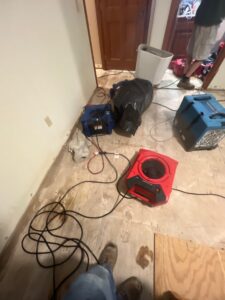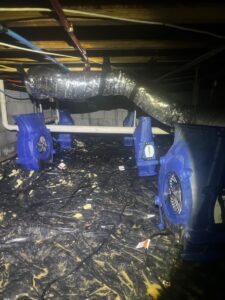
A burst pipe demands immediate action. The first thing you should do is locate your main water shutoff valve and turn it off to stop the flow. Every second counts because water spreads fast, soaking into drywall, flooring, and furniture. Once the water stops, call a professional water damage restoration company and document everything for your insurance claim. Acting quickly in the first hour can mean the difference between a manageable cleanup and a full-scale renovation.
Burst pipes happen more often than most Clarksville homeowners expect, especially during cold snaps or when older plumbing finally gives out. The panic that sets in when you see water gushing across your floor is real, but staying calm and following the right steps will protect your home and your wallet.
Why Do Pipes Burst in Clarksville Homes?
Understanding why pipes fail helps you respond appropriately and prevents future incidents. Several factors contribute to burst pipes in this region.
Freezing Temperatures
Tennessee winters can be unpredictable. When temperatures drop below freezing, water inside pipes expands as it turns to ice. This expansion creates enormous pressure against pipe walls. Pipes in unheated areas like crawl spaces, attics, garages, and exterior walls face the highest risk. Even a brief cold snap can cause a vulnerable pipe to rupture.
Aging Plumbing Systems
Many older homes in the Clarksville area still have original plumbing from decades past. Galvanized steel pipes corrode from the inside over time. Copper develops pinhole leaks. Polybutylene pipes, common in homes built between 1978 and 1995, become brittle and crack. If your home is more than 30 years old and still has original plumbing, the risk of a burst increases significantly.
Water Pressure Problems
Excessive water pressure stresses pipe joints and connections. Most residential plumbing systems operate best between 40 and 60 PSI. Pressure above 80 PSI accelerates wear on pipes, fittings, and appliances. A failed pressure regulator can send dangerous pressure surges through your entire system.
Tree Root Intrusion
Tree roots seek out moisture and can wrap around underground pipes, eventually crushing or cracking them. This problem develops slowly but causes sudden failures when the compromised section finally gives way.
Immediate Steps When You Discover a Burst Pipe
The actions you take in the first few minutes determine how much damage your home sustains. Follow these steps in order.
Shut Off the Water Supply
Find your main shutoff valve immediately. In most Clarksville homes, this valve is located near the water meter, often in a basement, crawl space, utility room, or near the front of the house where the main line enters. Turn the valve clockwise until it stops. If you cannot locate or operate the main valve, shut off water at the street meter using a meter key or call your water utility for emergency assistance.
Turn Off Electricity in Affected Areas
Water and electricity create dangerous conditions. If water has spread near outlets, appliances, or your electrical panel, shut off power to those circuits or flip the main breaker. Do not walk through standing water to reach your electrical panel. If you cannot safely access the panel, wait for help.
Open Faucets to Drain Remaining Water
Even after shutting off the main valve, water remains in your pipes. Open faucets throughout the house to drain this water and relieve any remaining pressure. This step reduces additional leakage from the burst section.
Remove Standing Water
Every minute water sits on your floors, it seeps deeper into materials. Use towels, mops, or a wet vacuum to remove as much water as possible. If the flooding is extensive, a sump pump or professional extraction equipment may be necessary.
Move Belongings to Safety
Remove furniture, rugs, electronics, and personal items from wet areas. Elevate items that cannot be moved by placing them on blocks or foil-wrapped wooden boards to prevent wicking.
What to Avoid After a Pipe Bursts
Some well-intentioned actions can make the situation worse or create safety hazards. Avoid these common mistakes.
- Do not use electrical appliances while standing in water or on wet flooring
- Do not attempt to use your home heating system to dry the area, as this can spread moisture and create mold conditions
- Do not ignore water that has seeped into walls or under flooring, even if surface water has been removed
- Do not delay calling professionals, hoping the damage will dry on its own
- Do not throw away damaged items before documenting them for insurance purposes
- Do not turn the water back on until the broken pipe has been properly repaired
How to Document Damage for Your Insurance Claim
Proper documentation strengthens your insurance claim and speeds up the reimbursement process. Insurance adjusters need evidence of the damage and its extent.
Take Photos and Videos
Photograph everything before cleanup begins. Capture wide shots showing the overall affected area and close-ups of specific damage. Record video while walking through the space, narrating what you see. Document water lines on walls, damaged flooring, soaked belongings, and the burst pipe itself.
Create a Written Inventory
List every damaged item with descriptions, approximate age, and estimated value. Include furniture, electronics, clothing, and any structural elements like flooring or drywall. This inventory becomes the basis for your claim.
Save Damaged Materials
Keep samples of damaged flooring, drywall sections, and other materials until your adjuster has inspected them. Store ruined belongings in a safe location rather than immediately disposing of them.
Request Professional Documentation
Water damage restoration companies provide detailed reports, moisture readings, and photo documentation as part of their service. These professional assessments carry significant weight with insurance companies and often reveal hidden damage that homeowners miss.
Why Professional Water Damage Restoration Matters
A burst pipe creates damage that extends far beyond visible water. Professional restoration addresses problems that DIY cleanup cannot.
Hidden Moisture Detection
Water travels along unexpected paths. It wicks up into wall cavities, pools under subflooring, and saturates insulation in ceilings below the burst. Professional technicians use moisture meters, infrared cameras, and other specialized equipment to locate hidden moisture that would otherwise go undetected and cause problems later.
Proper Drying Techniques
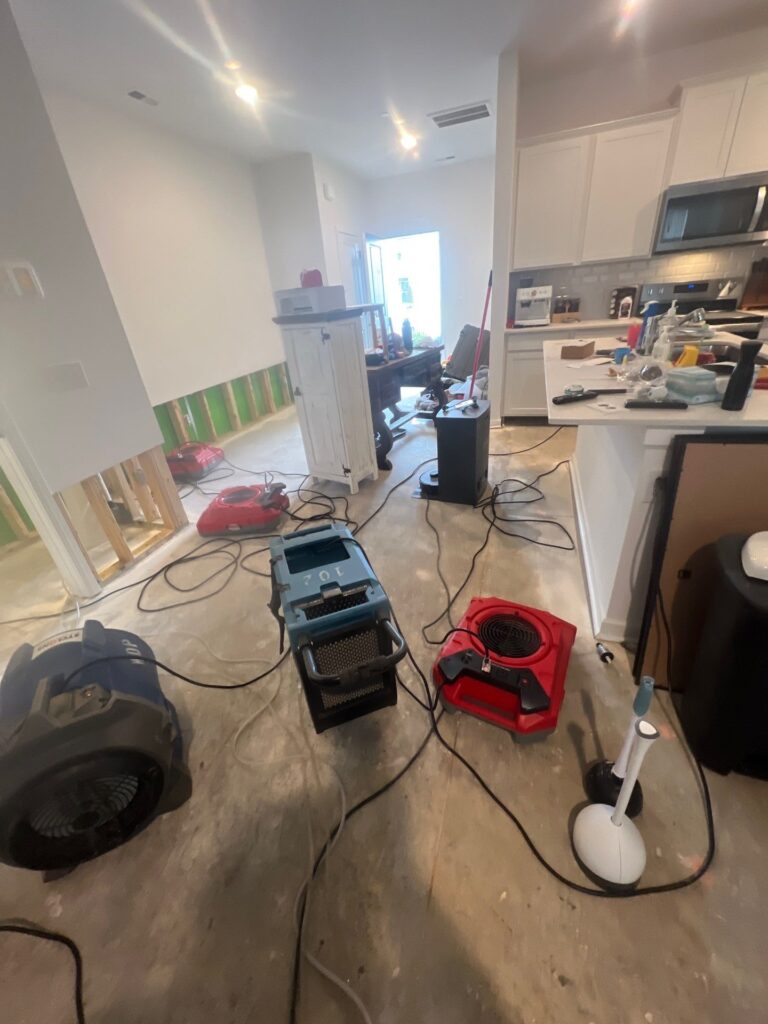
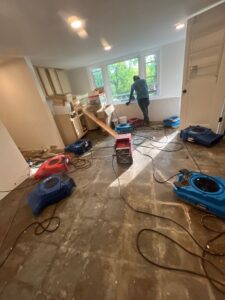
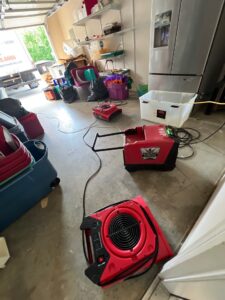
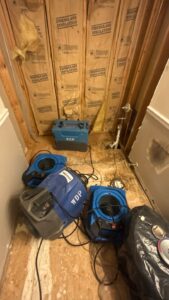
Simply removing standing water is not enough. Structural materials like drywall, wood framing, and flooring absorb significant moisture. Professional drying involves commercial dehumidifiers, air movers, and sometimes injection drying systems to extract moisture from wall cavities and other concealed spaces. The goal is to reduce moisture content to acceptable levels throughout the affected structure.
Mold Prevention
Mold growth can begin within 24 to 48 hours in moist conditions. Once established, mold spreads rapidly and creates health concerns and additional remediation costs. Proper professional drying eliminates the moisture that mold needs to grow. Homeowners throughout the Nashville area have learned that skipping proper drying to save money often leads to expensive mold problems months later.
Structural Assessment
Water weakens building materials. Saturated drywall crumbles. Wet wood framing can warp, swell, or begin to rot. Flooring materials cup, buckle, or delaminate. Professional restoration includes assessment of structural damage and determination of which materials can be saved and which require replacement.
Understanding the Restoration Timeline
Recovery from a burst pipe takes longer than most homeowners expect. Understanding the timeline helps you plan accordingly.
Emergency Response Phase
The first 24 hours focus on stopping the source, extracting standing water, and beginning the drying process. Technicians set up equipment and establish drying goals based on moisture readings.
Active Drying Phase
Drying a water-damaged structure typically takes three to five days, sometimes longer for severe flooding or when wall cavities and subfloor areas are involved. Technicians monitor progress daily, adjusting equipment placement and drying strategies as needed.
Assessment and Planning Phase
Once drying is complete, a full assessment determines what repairs are needed. Damaged drywall sections, flooring, and other materials are identified for replacement. This assessment informs repair estimates and insurance documentation.
Repair and Reconstruction Phase
Actual repairs may include drywall replacement, flooring installation, painting, and addressing any plumbing issues. This phase varies dramatically in length depending on the extent of damage, ranging from a few days for minor incidents to several weeks for extensive damage.
Preventing Future Burst Pipes
After experiencing a burst pipe, most homeowners want to ensure it never happens again. Several preventive measures reduce your risk significantly.
- Insulate pipes in unheated areas, including crawl spaces, attics, and exterior walls
- Keep cabinet doors under sinks open during cold weather to allow warm air circulation
- Maintain thermostat at 55 degrees or higher, even when away from home
- Know the location of your main shutoff valve and test it annually
- Have older plumbing systems inspected and consider proactive replacement of aging pipes
- Install water leak detection sensors near water heaters, washing machines, and other high-risk areas
- Disconnect and drain outdoor hoses before winter
Homeowners in Goodlettsville, Springfield, and other communities near Clarksville face similar freeze risks and benefit from these same precautions.
When Emergency Services Cannot Wait
Some situations require immediate professional intervention rather than waiting until morning or Monday. Call for emergency restoration service when:
- Standing water covers a significant area or continues spreading
- Water has reached the electrical systems or appliances
- The burst occurred in the ceiling, with water dripping into the living spaces below
- Multiple rooms are affected
- You cannot locate or operate the water shutoff
- The temperature is below freezing, and additional pipe failures seem likely
- Sewage backup is involved alongside the water damage
Frequently Asked Questions
How long can I wait before calling a restoration company?
Ideally, call within the first few hours. Water damage worsens rapidly, and mold can begin developing within 24 to 48 hours. The sooner professionals begin drying, the less overall damage occurs and the lower the restoration costs.
Will my homeowners’ insurance cover a burst pipe?
Most standard homeowners’ policies cover water damage from sudden pipe failures. However, coverage varies by policy, and damage resulting from lack of maintenance or gradual leaks may be excluded. Contact your insurance company promptly to understand your specific coverage.
Can I stay in my home during restoration?
It depends on the extent of damage and the location of affected areas. Minor incidents affecting a single room usually allow you to remain at home. Extensive flooding affecting multiple rooms, bathrooms, or sleeping areas may require temporary relocation until drying is complete.
How do I know if drying was successful?
Professional restoration companies use moisture meters to verify that structural materials have returned to acceptable moisture levels before concluding drying operations. Ask for final moisture readings and documentation confirming proper drying was achieved.
Should I try to repair the pipe myself?
Temporary measures like shutting off water and placing a bucket under drips are appropriate. However, permanent pipe repair should be handled by a licensed plumber to ensure proper repair and avoid future failures at the same location.
What if water reached my HVAC system?
HVAC systems that have been exposed to flooding require professional inspection before use. Running a water-damaged system can spread moisture and contaminants throughout your home and may damage the equipment further.
Taking Action Protects Your Home
A burst pipe creates stress and disruption, but quick action limits the damage. Shut off the water, document everything, and get professional help started as soon as possible. Trying to handle significant water damage without proper equipment and expertise almost always costs more in the long run through missed moisture, mold development, or inadequate repairs.
If you are dealing with a burst pipe in Clarksville or the surrounding areas right now, do not wait. Contact a water damage restoration professional immediately to begin the recovery process and protect your home from further damage.