Water damage is one of the most stressful situations homeowners may encounter. Whether triggered by a plumbing leak, intense storms, or a malfunctioning appliance, it can throw your daily routine into chaos and jeopardize the structure of your home. Repairing the damage caused by water is a complex task that demands thoughtful planning and prompt action to avoid persistent problems like mold growth or compromised building materials.
At Water Damage Pros TN, we have extensive experience handling all types of water-related disasters and know how critical it is to act quickly and effectively. Here’s an outline of what’s involved in restoring a home after water damage.
Assessing the Damage
The first step in restoring your home is assessing the extent of the damage. Water can seep into walls, floors, and ceilings, so what might look like a small issue on the surface can often be more extensive beneath. Professionals use specialized tools like moisture meters to detect hidden water pockets.
This step also includes identifying the source of the water. If it’s a clean water source, like a leaking pipe, the restoration process may be simpler. However, if the water is contaminated—such as from a sewage backup or flooding—extra precautions are necessary to ensure safety.
Removing Standing Water
The next critical step is removing any standing water from your home. This requires high-powered pumps and vacuums to ensure the water is extracted quickly. Time is a major factor here, as prolonged exposure to water can lead to further damage to floors, walls, and furniture.
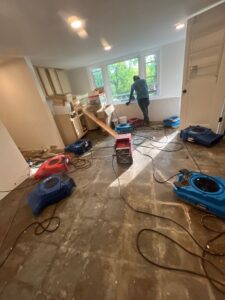
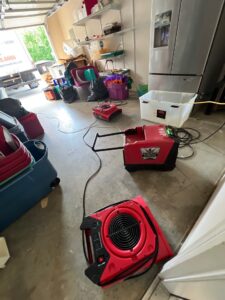
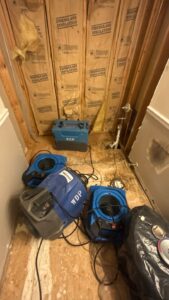
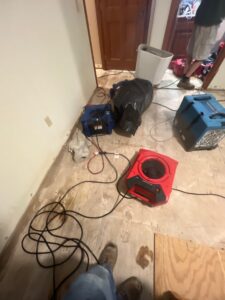
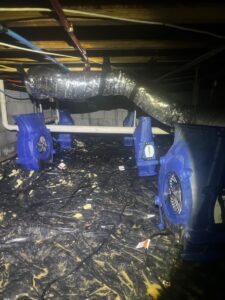
Once standing water is gone, dehumidifiers and industrial fans are used to dry out the area completely. This step can take a few days, depending on the severity of the damage, but it’s essential to eliminate excess moisture to prevent mold growth.
Cleaning and Disinfecting
After water removal, it’s important to clean and disinfect all affected areas. Water damage can bring in dirt, bacteria, and other contaminants, especially if the source is from outside flooding or sewage. Hard surfaces like walls and floors can be sanitized using professional-grade cleaning solutions, while porous materials like carpeting may need to be discarded if they cannot be effectively cleaned.
Items such as upholstered furniture, curtains, and clothing should also be professionally cleaned or discarded if they’ve been heavily saturated.
Inspecting for Structural Damage
Water can weaken the structural components of your home, including wooden beams, drywall, and insulation. An experienced restoration team will inspect the property to ensure everything is sound. Any damaged materials that cannot be saved, such as warped wood or soggy drywall, need to be removed and replaced.
This process might involve tearing out damaged sections of walls, floors, or ceilings. While this can feel invasive, it’s necessary to ensure your home is safe and free of hidden damage.
Preventing Mold Growth
Mold can begin to develop within 24-48 hours of water exposure, making mold prevention a key focus during restoration. Professional restoration teams use antimicrobial treatments and monitor humidity levels to keep mold at bay.
If mold is already present, specialized remediation techniques are used to remove it safely. This is not something homeowners should attempt on their own, as improper handling can spread mold spores and worsen the problem.
Restoring and Rebuilding
The rebuilding phase begins once the home is dry, cleaned, and free of mold. This might involve replacing drywall, repainting walls, and installing new flooring or cabinetry. The goal is to return your home to its pre-damage condition.
During this stage, restoration professionals work closely with homeowners to match materials and finishes to the original design as closely as possible.
Working with Insurance
Water damage restoration often involves working with insurance companies. A reputable restoration company can assist with documentation, such as photos, moisture readings, and repair estimates, to help streamline the claims process.
At Water Damage Pros TN, we understand that navigating insurance claims can be stressful, so we aim to make this part of the process as smooth as possible for homeowners.
Why Professional Help Matters
While some aspects of water damage might seem manageable on your own, it’s always best to rely on professionals for a thorough restoration. Water can travel to areas you might not think to check, and the tools needed for effective drying and sanitizing aren’t typically available to the average homeowner.
Restoration specialists have the training, equipment, and experience to address all aspects of water damage—from initial cleanup to final repairs. This ensures that your home is not only restored but also safe and free of lingering issues.
Trust Water Damage Pros TN
Restoring a home after water damage is a detailed process, and every situation is unique. At Water Damage Pros TN, we pride ourselves on providing expert service that prioritizes your safety and peace of mind.
If your home has been affected by water damage, don’t wait to address the issue. The sooner the restoration process begins, the better the chances of fully saving your home and belongings. We’re available 24/7 to help you through every step of the process.
Contact us today to learn more about our water damage restoration services. Our team is here to help you reclaim your home and get back to normal life as quickly as possible.