Flooding can leave your home or business in chaos, but understanding the drying process for walls and floors can provide some clarity during a stressful time. Each flood restoration project is unique, but a general understanding of timelines and factors involved can help you set realistic expectations.
Here at Water Damage Pros TN, we’ve handled countless flood situations, and we’ve seen how proper drying can make all the difference in restoring a safe and comfortable environment.
Factors That Influence Drying Time
The drying process for walls and floors depends on several variables. Factors such as the severity of the flooding, the type of building materials, and even the weather conditions can all play a role in how quickly the drying process can be completed.
Extent of Water Damage
If a flood is limited to a small area, it’s likely that drying will take less time than if the entire property is affected. A few inches of water may dry faster than significant standing water that has penetrated deep into floors and walls.
Type of Materials Involved
Different materials react to water differently, with some retaining moisture more than others. Drywall, being highly absorbent, often requires extended drying times or even replacement. Hardwood floors, though durable, can warp or swell if not dried thoroughly and quickly. Carpets and their pads tend to trap water, frequently necessitating removal for proper drying.
Weather and Humidity
Outdoor conditions also affect drying time. High humidity slows evaporation, while warm, dry weather helps the process along. Indoor humidity should be monitored closely during restoration, as excessive moisture can promote mold growth.
Methods and Equipment Used
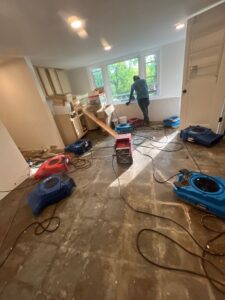
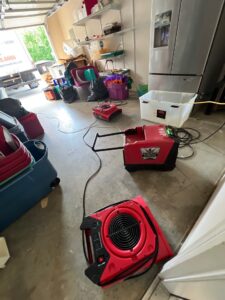
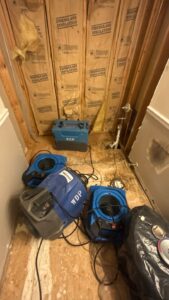
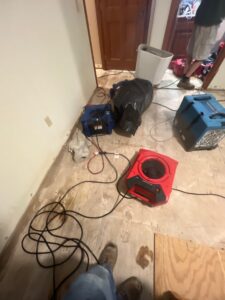
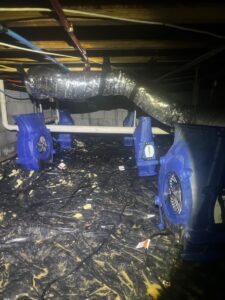
Professional drying equipment like industrial air movers and dehumidifiers significantly shortens drying time. Without these tools, natural drying methods can take much longer and may lead to secondary damage.
Typical Timeframes for Drying Walls and Floors
Drying times for walls and floors after water damage can vary, but most homes and businesses see results within a few days to a couple of weeks. Walls usually take 5 to 10 days to dry, though heavily saturated drywall may need replacement if it sags or loses its strength. With minor damage, air movers and dehumidifiers are often enough to dry walls effectively.
Floors can take longer, as water tends to seep into subfloors and gaps. Hardwood floors may require 7 to 14 days to dry, with careful monitoring to avoid warping. Carpeted floors can dry in 3 to 7 days if the damage isn’t too severe, though the padding often needs replacing. Tiled floors dry faster unless water has penetrated the grout or reached the subfloor.
Drying times depend on the extent of the damage and the materials involved. Acting quickly and using the right methods can help restore walls and floors while reducing the risk of further problems.
The Role of Professional Equipment
Professional restoration companies like Water Damage Pros TN use specialized tools to speed up drying and remove moisture completely. Air movers accelerate evaporation, dehumidifiers reduce air moisture, and moisture meters detect hidden water in hard-to-reach areas.
Without professional equipment, drying can be incomplete, leading to risks like mold growth and structural damage. Proper tools and expertise ensure a thorough and effective restoration process.
Why Timeliness Matters
The sooner you begin drying walls and floors after a flood, the better. Delays can lead to mold growth, which can start within 24 to 48 hours, damaging surfaces and posing health risks. Prolonged moisture exposure also weakens materials like wood and drywall, increasing the likelihood of costly structural repairs.
Lingering moisture often causes unpleasant odors that are hard to remove without thorough drying. Acting quickly reduces these risks and helps speed up the recovery process, protecting both your property and your peace of mind.
Steps to Ensure Effective Drying
While professionals handle much of the drying process, property owners can take certain steps to facilitate quicker results.
Remove Standing Water
Before drying can begin, it’s essential to remove standing water, which can seep into walls and floors, causing further damage. Wet vacuums are suitable for smaller amounts, while pumps handle larger volumes. Proper water extraction speeds up drying, reduces mold risk, and prevents water from spreading to other areas.
Improve Air Circulation
Opening windows and doors, when weather allows, can improve ventilation and help reduce indoor moisture. However, if the outdoor air is humid, using air movers and fans indoors is more effective, as they provide controlled airflow and prevent additional moisture from entering.
Monitor Progress
It’s important to monitor not just visible surfaces but also hidden areas like under furniture or behind walls, where moisture can linger unnoticed. These areas are often prone to mold growth or structural weakening if not properly addressed. Professional teams use moisture meters to detect and measure water levels in these concealed spaces, ensuring thorough drying and preventing long-term issues.
What to Expect from Restoration Professionals
When you call Water Damage Pros TN, our team starts with a thorough assessment of the damage. Using our IICRC-certified expertise, we create a customized plan to dry your property efficiently. This process includes a detailed inspection to locate all affected areas, immediate removal of standing water, and the use of high-powered drying equipment to address moisture thoroughly.
We continuously monitor progress to ensure no moisture is left behind, helping to prevent long-term problems like mold or structural damage. Whether the damage affects one room or an entire property, we approach every project with the care and urgency it deserves, prioritizing your peace of mind and complete restoration.
Conclusion
Drying walls and floors after flooding is a crucial step in the restoration process. While timelines can vary based on the extent of the damage and the materials involved, professional intervention ensures the job is done thoroughly and efficiently.
At Water Damage Pros TN, we’re here to help you navigate every step of the recovery process. With our experience and state-of-the-art equipment, you can trust us to restore your property to its pre-flood condition as quickly as possible.
If you’ve experienced flooding, don’t wait—give us a call. We’re available 24/7 to answer your questions and provide the expert help you need to get back on track.