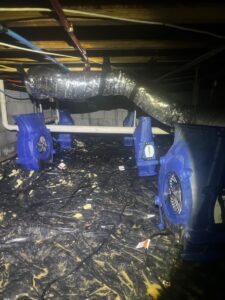
Water damage can wreak havoc on your ceiling if it’s not caught in time. From minor stains to more severe issues like structural damage, being aware of the early signs is crucial. Below, we’ll outline the top indicators that you may need to repair water damage in your ceiling. Early detection can prevent more extensive and costly repairs down the road.
1. Unusual Ceiling Stains and Spots
One of the first indicators of water damage is the appearance of stains or spots on your ceiling. These discolorations often manifest as brown, yellow, or rust-colored marks, suggesting moisture buildup. If you notice these spots growing or darkening over time, it’s a clear sign that water is finding its way through, and further investigation is necessary.
2. Drooping or Warped Ceiling Surfaces
A ceiling that appears to be sagging, bowing, or warping is a clear sign that moisture has penetrated. This problem usually indicates a significant amount of water has accumulated, causing the ceiling materials to lose their strength. Warped surfaces should be inspected and addressed quickly to avoid potential safety risks.
3. Cracked or Bubbling Paint and Plaster
If the paint or plaster on your ceiling begins to bubble, peel, or crack, it often means water is trapped underneath. As moisture collects, it pushes against the surface materials, leading to visible imperfections. These signs usually mean that there’s a more significant problem hidden behind the ceiling’s surface.
4. Lingering Musty Smells in the Room
A persistent, musty odor in a room is often a sign that water has soaked into your ceiling and possibly fostered mold growth. Mold thrives in moist environments and can release unpleasant smells even before it’s visible. Addressing the source of the odor can help prevent more serious health and structural issues.
5. Dark or Damp Patches After a Rainstorm
If you notice dark or damp patches appearing on your ceiling after a rainstorm, it’s a sign that there might be a leak in the roof or an issue with your attic. These patches might start small and grow larger with each rain, indicating that water is seeping through to the ceiling. Swift action can prevent these small patches from turning into bigger problems.
6. Hearing Dripping Sounds Without Visible Leaks
Sometimes, you might hear water dripping or trickling, even when there’s no visible leak. These sounds can often come from behind the ceiling, hinting at a hidden plumbing or roof leak. Addressing these noises quickly can prevent them from turning into visible and more extensive damage.
7. Ceiling Feels Soft to the Touch
If certain areas of your ceiling feel softer or spongy to the touch, it usually indicates that moisture has penetrated the materials. A soft ceiling often means water has been present for some time, compromising the strength of the drywall or plaster. This can be a sign that water damage has gone undetected for a while and requires immediate attention.
8. Unexpected Increase in Insects or Pests
Water damage can attract pests, especially insects that are drawn to moist environments. If you notice an uptick in pests like ants, termites, or even small rodents near the ceiling, it could indicate that there’s hidden moisture. This unwelcome pest activity can point to a problem area that needs addressing.
9. Visible Mold Growth on Ceiling Surfaces
Mold growth is a clear sign that water has seeped into your ceiling. Mold can appear in various colors—black, green, or white—and may look like spots or fuzzy patches. Even if the mold spots are small, they can quickly spread and lead to health problems if not treated promptly.
10. Unstable Ceiling Fixtures or Hardware
If light fixtures, ceiling fans, or smoke detectors seem loose or unstable, it might be due to water damage affecting the structural integrity of the ceiling. Water can weaken the materials holding fixtures in place, making them shift or even fall if left unchecked.
11. Drafty or Cold Spots Near the Ceiling
A sudden draft or cold spot in a room, especially near the ceiling, can signal a moisture problem. Water damage can impact insulation, causing temperature fluctuations that make certain areas feel unusually cold. This is often a subtle sign, but it’s worth investigating if you notice it alongside other indicators.
12. Fluctuating Indoor Humidity Levels
Excess humidity in a room, particularly in areas that don’t usually feel damp, could be a sign of water damage in the ceiling. A hidden leak can contribute to elevated humidity levels, creating a perfect environment for mold and mildew to thrive. Keep an eye on indoor humidity, especially if you start noticing other symptoms.
13. Wet Ceiling Corners or Edges
Water often accumulates around the edges or corners of the ceiling, especially if there’s a hidden leak. Dampness in these areas can go unnoticed, but over time, it can cause the paint to peel or create weak spots. If the corners of your ceiling are frequently damp, there may be a persistent leak above.
14. Persistent Damp Feeling in the Room
If a room always feels damp, even with adequate ventilation, it could be due to hidden water damage in the ceiling. This dampness may not always leave visible marks, but it can still impact air quality and comfort. A persistent damp feeling is a good reason to inspect your ceiling for potential issues.
15. Ceiling Panels Show Signs of Swelling
If you have ceiling panels, watch for any signs of swelling or bowing. The swelling usually indicates that the material has absorbed moisture, causing it to expand. This can affect the appearance of the ceiling and may lead to larger structural concerns if not addressed.
The Importance of Prompt Ceiling Repairs
Water damage in the ceiling is not an issue to take lightly. From structural risks to health hazards caused by mold, addressing these problems early is crucial. Even small indicators of water damage should prompt a closer look to avoid more extensive repairs and expenses later.
Steps to Take When You Notice Water Damage
If you notice any signs of water damage in your ceiling, here’s what to do:
- Find the Source: Identifying where the water is coming from is the first step in any repair process. This might involve checking the roof, attic, or plumbing lines.
- Consult a Professional: Water damage can be deceptive, often leading to hidden issues. Hiring a professional restoration company can ensure the problem is properly diagnosed and fixed.
- Implement Preventative Measures: Once the immediate repairs are completed, consider steps to prevent future damage. This might include improving ventilation, checking the roof annually, or installing a dehumidifier in areas prone to dampness.
Water Damage Pros TN Is Here to Help
At Water Damage Pros TN, we understand how important it is to address ceiling water damage quickly and effectively. Our team specializes in providing thorough inspections, reliable repairs, and preventative advice to keep your home safe and secure. If you’ve noticed any of the signs mentioned above, don’t hesitate to reach out for a professional assessment. We’re here to make sure your home remains in top condition, free from water damage hazards.