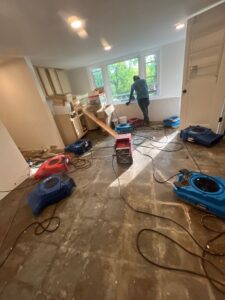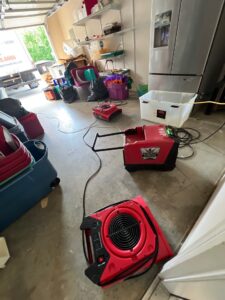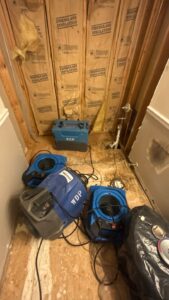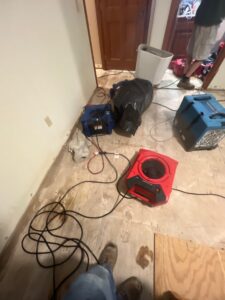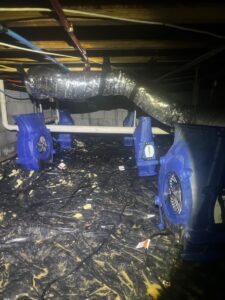
Basement flooding is a common issue faced by homeowners, especially in areas prone to heavy rainfall or with high water tables. Whether it’s caused by a burst pipe, storm, or sewer backup, basement flooding can lead to significant damage if not addressed. Fortunately, taking the right steps early on can prevent future incidents. In this article, we’ll explore practical actions homeowners can take to prevent basement flooding and protect their homes in the long run.
1. Identify the Causes of Basement Flooding
Before taking any preventative measures, it’s important to identify the root causes of basement flooding. Several factors can contribute to water accumulation in the basement:
- Poor drainage: Water pooling near the foundation due to improper drainage can seep into your basement.
- Foundation cracks: Small cracks in the foundation can allow water to enter, leading to leaks.
- Sump pump failure: A malfunctioning sump pump can result in water buildup during heavy rain.
- Gutter and downspout issues: Clogged or damaged gutters can redirect water toward your home’s foundation.
Identifying the cause of basement flooding will help target the problem and prevent further issues.
2. Ensure Proper Drainage Around Your Home
A well-functioning drainage system is key to preventing basement flooding. To ensure that water flows away from your home’s foundation, take the following steps:
- Extend downspouts: Make sure downspouts direct water at least 10 feet away from the foundation. Install extensions if necessary.
- Grade the landscape: The ground around your home should slope away from the foundation to direct water flow.
- Install drainage systems: In cases of persistent drainage issues, consider installing a French drain or other systems that divert water away from the foundation.
3. Seal Cracks in Your Foundation
Foundation cracks are a frequent cause of basement water problems, particularly following heavy rainfall. It’s essential to inspect your foundation regularly for any signs of damage. Minor cracks can be treated with waterproofing solutions, while more severe issues may require the expertise of a professional. For comprehensive assistance, Water Damage Pros TN offers expert services to address foundation concerns and prevent water damage.
4. Maintain Your Gutters and Downspouts
Keeping gutters and downspouts clear and well-maintained is a simple but effective way to prevent water from pooling near your home and causing basement leaks. Here’s what to do:
- Clean gutters regularly: Remove debris from gutters at least twice a year, particularly during the fall and after storms.
- Inspect for damage: Check for any cracks or sagging sections that could lead to water overflow.
- Install gutter guards: If leaves or debris frequently clog your gutters, gutter guards can help reduce the amount of maintenance required.
Maintaining your gutters and downspouts is an easy way to minimize the risk of basement flooding.
5. Install and Maintain a Sump Pump
A sump pump is essential for homes with high water tables or those prone to heavy rainfall. Installing a sump pump can prevent basement water accumulation, but it requires regular maintenance to ensure proper function:
- Install a backup system: If your home is prone to power outages during storms, consider a battery backup to keep your sump pump operational.
- Test the sump pump regularly: Test the pump at least once a year by pouring water into the sump pit to ensure it activates and drains properly.
- Clean the pit: Periodically remove debris from the sump pump pit to prevent clogs.
A well-maintained sump pump provides an extra layer of protection during heavy rain or plumbing failures.
6. Install a Backwater Valve
Sewer backups are a major cause of basement flooding, especially in older homes or areas with aging infrastructure. A backwater valve prevents sewage from flowing back into your home during heavy rainfall or a clog in the municipal sewer system. It only allows sewage to flow out, keeping your basement safe from flooding. Installing a backwater valve requires a professional plumber, but it’s a valuable investment for flood-prone areas.
7. Waterproof Your Basement
Waterproofing your basement is a critical step in protecting your home from water damage. There are two main approaches:
- Interior waterproofing: This involves applying sealants or coatings to walls and floors to prevent moisture from seeping in.
- Exterior waterproofing: This method requires excavating the foundation and applying a waterproof membrane to the exterior walls. Though more invasive and costly, it provides more comprehensive protection.
Both methods help prevent water from entering your basement, but exterior waterproofing is particularly useful for homes in flood-prone areas.
8. Consider Installing Flood Alarms
Flood alarms, also called water sensors, detect moisture buildup in the basement before it becomes a significant problem. These alarms can be installed in areas prone to leaks or water intrusion. Some models can be connected to a smart system, sending notifications directly to your phone if water is detected. These alarms offer an early warning that can help you address issues before they escalate.
9. Regularly Inspect and Maintain Plumbing
Plumbing issues are another major source of basement flooding. Regular maintenance can help prevent burst pipes or leaks, especially in older homes. Here are some tips to maintain your plumbing:
- Inspect for leaks: Regularly check for damp spots, stains, or musty odors that could indicate leaks.
- Maintain appliances: Ensure water heaters, washing machines, and other appliances are in good working order and not leaking.
- Insulate pipes: In cold weather, insulate exposed pipes to prevent freezing and bursting.
Proper plumbing maintenance can prevent many basement flooding issues and save you from costly repairs.
Conclusion
Preventing basement flooding requires consistent maintenance and a proactive approach to your home’s drainage, plumbing, and waterproofing systems. Simple actions like maintaining gutters, checking sump pumps, and sealing foundation cracks are key to avoiding water damage. Staying on top of repairs ensures your basement stays dry, even during heavy rains. Regular inspections and preventive measures are the best way to keep your home safe from future flooding.
If you’re concerned about basement flooding or need expert help with water damage, don’t hesitate to contact Water Damage Pros TN. Our team is ready to provide professional solutions to keep your home safe and dry. Reach out to us today for a consultation and let us help you protect your property from future water damage.